
Choosing the right flow instrument is a critical decision that impacts the efficiency, accuracy, and reliability of fluid measurement in various industrial and commercial applications. Whether for measuring the flow of liquids, gases, or steam, selecting the most suitable flow meter involves several considerations. This comprehensive guide aims to navigate you through the selection process, ensuring you make an informed choice tailored to your specific needs.
Step 1: Understand Your Application Requirements
Before diving into the selection process, clearly define your application’s requirements:
Fluid Type: Are you measuring a liquid, gas, or steam? The physical properties of the fluid, such as viscosity, density, and conductivity, can significantly influence the choice of flow meter.
Flow Rate: Determine the minimum and maximum flow rates that the flow meter must accurately measure. This range will help narrow down the suitable types of flow meters.
Process Conditions: Temperature, pressure, and the presence of particulates or corrosive substances in the fluid are crucial factors. Some flow meters perform better under specific conditions than others.
Accuracy Requirements: Consider the level of accuracy required for your application. High-precision applications may necessitate more sophisticated and potentially expensive meters.
Installation Environment: The available space, the need for remote monitoring, and environmental conditions (such as the presence of hazardous areas) are essential considerations.
Step 2: Know the Different Types of Flow Meters and Their Suitability
Understanding the various flow meter technologies and their strengths and limitations is vital:
Differential Pressure Flow Meters are versatile and widely used but can introduce pressure drop and may not be suitable for very low flow rates.
Positive Displacement Flow Meters offer high accuracy for liquid measurement but can be obstructed by particulates.
Turbine Flow Meters are suitable for clean, moderate to high-speed flows but may wear down in high-particulate streams.
Electromagnetic Flow Meters excel in measuring the flow of conductive liquids without introducing a pressure drop but are ineffective with gases and non-conductive liquids.
Ultrasonic Flow Meters provide accurate measurements for both liquids and gases and are non-intrusive but can be affected by the fluid’s acoustic properties.
Coriolis Flow Meters measure mass flow directly and are highly accurate but can be expensive and are sensitive to external vibrations.
Step 3: Consider the Total Cost of Ownership
While the initial purchase price of a flow meter is an important consideration, evaluating the total cost of ownership, including installation, maintenance, and operating costs, is crucial:
Installation: Some flow meters require straight pipe runs before and after the meter, potentially increasing installation costs.
Maintenance: Consider the frequency and complexity of maintenance required. Some meters, like positive displacement and turbine, may require more maintenance than others, such as electromagnetic or ultrasonic meters.
Durability and Lifespan: A more robust meter that can withstand harsh conditions without frequent replacements may offer a lower long-term cost despite a higher initial price.
Step 4: Evaluate Additional Features and Functionality
Modern flow meters offer additional features that might be beneficial for your application:
Digital Connectivity: Options for digital outputs, such as 4-20 mA, HART, or wireless communications, can facilitate remote monitoring and integration with control systems.
Diagnostic Functions: Some advanced meters provide valuable diagnostic information that can help predict maintenance needs or troubleshoot issues.
Certifications: Ensure the flow meter meets any required industry certifications, especially for use in hazardous environments or for compliance with regulatory standards.

Our flow meters have been designed to provide accurate measurement of flow under different conditions. They are available in different models, such as ultrasonic, magnetic, and turbine, to cater to various flow measurement needs. Our instruments are highly durable and can withstand harsh environmental conditions. Equipped with user-friendly features, they are easy to operate and require minimal maintenance, making them an ideal choice for different industrial applications.
Our flow instruments are designed with advanced technology and precision engineering to provide accurate and reliable measurement of flow rates. They are highly versatile and ideal for use in applications that involve liquids, gases, or steam. Our instruments are easy to install and require minimal maintenance, making them a cost-effective solution for industries such as wastewater treatment, chemical processing, and more.
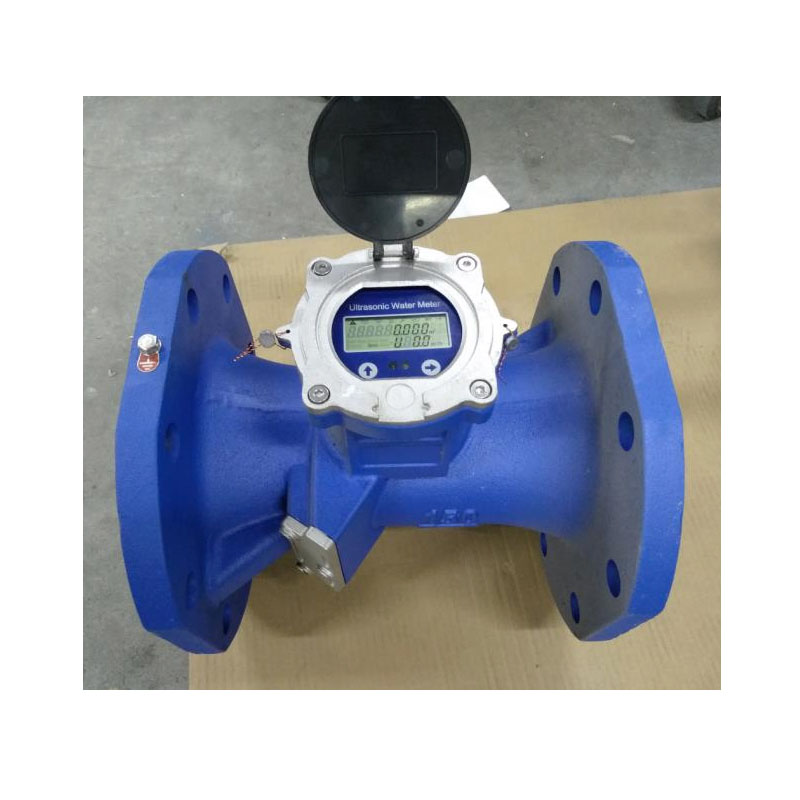
The flow instrument products are essential tools designed for measuring, monitoring, and controlling the flow of liquids, gases, and other fluids in a variety of industrial processes. These instruments are equipped with advanced technology and advanced features, making them highly accurate and reliable for use in various applications. With their user-friendly interface and customizable settings, these products offer seamless integration and easy operation, catering to the specific needs of different industries. From flow meters to flow switches, these instruments are built to withstand harsh working environments and provide precise and real-time data, making them an indispensable asset for any production system. They not only ensure efficient operation and cost savings but also contribute to optimizing processes and maintaining the quality of the final product. With their high performance and durability, flow instrument products are the top choice for industries seeking to enhance their productivity and efficiency.
2.Can your flow instrument measure corrosive gases?
3.Can the flow instrument be used for flow control?
4.Can the flow instrument be used for low-flow applications?
5.Is the flow instrument suitable for outdoor use?
6.Does the flow instrument require any special installation conditions?
7.Is your flow instrument suitable for abrasive fluids?
8.Do I need specialized training to use your flow instrument?
9.Can the flow instrument be used for retrofitting?
1.Can your flow instrument be remotely controlled or monitored?
Yes, some of our flow instruments come with remote control and monitoring capabilities. They can be connected to a computer or a control system for remote operation and data logging.
2.Can your flow instrument measure corrosive gases?
Yes, we offer flow instruments that are suitable for measuring corrosive gases, such as chlorine or hydrogen sulfide. Please consult with our team for the appropriate model and sensor for your specific gas application.

3.Can the flow instrument be used for flow control?
Yes, our flow instruments can be integrated with flow control systems to regulate the flow rate. Please consult with our team for more information on the type of flow control system that is compatible with our instrument.
4.Can the flow instrument be used for low-flow applications?
We offer low-flow flow instruments that are suitable for measuring flows as low as a few mL per minute. Please contact us for more information about the minimum flow rate of our instruments.

5.Is the flow instrument suitable for outdoor use?
Yes, we offer flow instruments with IP65 or IP67 ratings, making them suitable for outdoor use and exposure to harsh weather conditions. Please consult with our team for the specific protection level of our instruments.
6.Does the flow instrument require any special installation conditions?
Our flow instruments are designed to be easy to install and have minimal requirements. However, please refer to the product specifications or consult with our team for any special installation conditions.

7.Is your flow instrument suitable for abrasive fluids?
Our flow instruments have options for handling abrasive fluids, such as those with ceramic or tungsten carbide materials. Please consult with our team for the appropriate model for your application.
8.Do I need specialized training to use your flow instrument?
Our flow instruments are user-friendly and come with easy-to-follow instructions. However, if you are using our instrument for the first time or for a specific application, our team can provide training and support as needed.

9.Can the flow instrument be used for retrofitting?
Our flow instruments can be easily retrofitted into existing systems, with minimum disruption to operations. Please consult with our team for guidance on integrating our instrument into your system.