
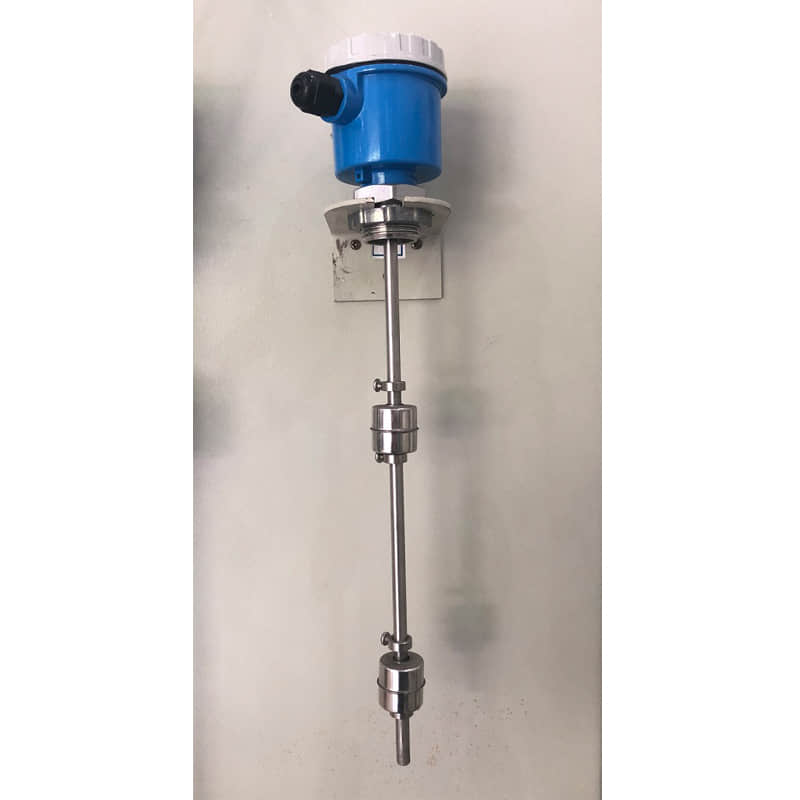
In any manufacturing process, efficiency is a key driver of success. The ability to optimize operations, reduce downtime, and ensure consistency in production processes directly impacts profitability and product quality. One often overlooked but highly effective tool for enhancing efficiency in manufacturing is the level switch. These devices, which are used to detect and control the level of liquids, powders, and granular materials, play a crucial role in maintaining smooth operations in industries ranging from chemicals and pharmaceuticals to food processing and water treatment. In this article, we’ll explore how level switches can improve the efficiency of your manufacturing process, the benefits they provide, and how they compare with other similar products on the market.
What is a Level Switch?
A level switch is an instrument used to monitor the level of a material within a container, tank, or vessel. It works by detecting whether the material has reached a specific predetermined level, either high or low, and then triggering an action such as stopping or starting a pump, valve, or other process equipment. Level switches can be used for liquids, slurries, and solids, making them versatile devices in industries with a variety of bulk materials.
Level switches operate on several different principles, such as mechanical, electronic, or capacitive methods, with each type offering distinct advantages depending on the specific application. They are commonly used in inventory management, overflow prevention, pump control, and level indication to ensure consistent and efficient production processes.

How Level Switches Improve Efficiency in Manufacturing
1. Automating Material Handling and Inventory Management
In many manufacturing facilities, managing the flow of raw materials and maintaining optimal levels of inventory is a challenging but necessary task. Level switches provide an automated solution by continuously monitoring material levels in storage tanks, hoppers, and silos.
For example, in industries such as food processing or pharmaceuticals, where ingredient consistency is critical, a level switch can ensure that the right amount of material is always available for the next stage of production. This reduces the need for manual checks, minimizes material shortages or overstocking, and ensures that production lines operate without interruption.
In bulk storage systems, level switches can be integrated with automatic inventory tracking systems, providing real-time data on stock levels. This allows operators to plan better, reduce wastage, and optimize procurement strategies, thus improving overall operational efficiency.
2. Preventing Overflows and Spills
Overflowing tanks, vessels, and containers can lead to significant waste, contamination, and safety hazards. In many manufacturing processes, maintaining the correct level of fluid is essential not only for operational efficiency but also for safety and compliance with environmental regulations.
Level switches can prevent overflows by triggering automatic shutoffs or warnings when material levels reach a critical high. This reduces the risk of costly spills, product contamination, and damage to equipment. For example, in chemical manufacturing, where hazardous liquids are handled, an overflow can be catastrophic. A properly calibrated level switch can protect both your facility and the environment from such incidents.
3. Improving Process Control and Quality Consistency
Level switches help maintain consistent material levels in tanks, reactors, and mixers, ensuring that processes run smoothly. In continuous processes, such as in the pharmaceutical or cosmetics industries, consistent raw material levels are essential for producing products that meet strict quality standards. By providing real-time level data, a level switch can help control the flow of materials into a system, ensuring that the right amounts are always present and reducing the likelihood of errors or defects in the final product.
For example, in a water treatment plant, maintaining consistent chemical dosing is critical to ensuring that water meets quality standards. A level switch can be used to maintain the correct level of treatment chemicals in storage tanks, triggering automatic refills when necessary to maintain accurate dosing levels and avoid shortages that could disrupt operations.
4. Minimizing Downtime and Maintenance
Downtime due to system failures or material imbalances can be costly and disruptive. Level switches help keep processes running smoothly by detecting level changes in real time and alerting operators to potential issues before they cause equipment malfunctions.
By preventing overflows, running out of materials, or underfeeding systems, level switches reduce the risk of system failures that might otherwise require expensive repairs or maintenance. They also allow for predictive maintenance by alerting operators when material levels are low or abnormal, enabling timely interventions before problems escalate. This proactive approach to maintenance helps extend the life of equipment and minimizes costly downtime.
5. Enhancing Safety and Compliance
In industries like chemicals, food processing, and pharmaceuticals, safety and compliance with industry regulations are non-negotiable. Level switches can help companies meet these standards by ensuring that materials are always within specified levels, preventing overflows or dry running of pumps. This minimizes risks to both employees and the environment.
For example, in a chemical plant, where certain processes require hazardous liquids to be kept within specific volume ranges, level switches can alert operators when levels are approaching unsafe zones. These alerts can trigger an automatic shutdown or activate an emergency safety system, which helps prevent accidents and ensures compliance with stringent safety regulations.

Comparison of Peer Products
When it comes to flow and level monitoring, several technologies are available, and selecting the right one depends on factors such as the type of material being measured, required accuracy, operating conditions, and cost considerations. Below, we’ll compare level switches with other popular products commonly used in manufacturing processes: level sensors, float switches, and pressure transmitters.
1. Level Switches vs. Level Sensors
Level sensors and level switches are both used to measure the level of materials, but they differ in functionality. Level sensors typically provide continuous level measurement (i.e., the precise level of the material within a tank or vessel) and can output analog signals for integration with control systems. Level switches, on the other hand, are binary devices that only indicate whether a material level has reached a specific high or low threshold.
Advantages of Level Switches:
- Cost-effective for simple on/off level monitoring.
- Suitable for applications where precise level measurement is not required.
- Easier to install and maintain.
Advantages of Level Sensors:
- Continuous level measurement for more precise control.
- Ability to interface with automated systems for advanced process control.
2. Level Switches vs. Float Switches
Float switches are one of the most common types of level switches, and they operate based on the principle of buoyancy. A floating object rises and falls with the material level, triggering the switch. While float switches are simple and effective, they have some limitations, especially in harsh or turbulent environments.
Advantages of Level Switches:
- Suitable for a wider range of materials, including viscous liquids, slurries, and granular solids.
- More durable in extreme conditions, such as high temperatures or high pressures.
- No moving parts, which makes them less prone to mechanical wear and tear compared to float switches.
Advantages of Float Switches:
- Simple design and low cost.
- Suitable for smaller tanks and clean liquids.
3. Level Switches vs. Pressure Transmitters
Pressure transmitters are another option for level measurement. They work by measuring the pressure at the bottom of a tank, which correlates with the height of the liquid. While pressure transmitters offer continuous level measurements and are ideal for certain applications, they require more complex calibration and maintenance than level switches.
Advantages of Level Switches:
- Easy installation and low maintenance.
- Perfect for applications where only a specific threshold is of concern (e.g., high/low level alarms).
- More cost-effective for applications that don’t require continuous level monitoring.
Keuntungan dari Pemancar Tekanan:
- Provide continuous, precise level measurement.
- Suitable for applications where the material’s density or pressure is highly variable.

Industry Applications of Level Switches
1. Chemical Manufacturing
In chemical plants, level switches help control the flow of chemicals, ensuring that material levels in reactors, storage tanks, and mixing vessels are consistently monitored. This reduces the risk of contamination, overflows, and process errors.
2. Food and Beverage Processing
In the food and beverage industry, maintaining consistent ingredient levels is essential for product quality. Level switches monitor the levels of ingredients in mixing tanks, silos, and hoppers, preventing overfilling or underfeeding, and optimizing production efficiency.
3. Pharmaceutical Manufacturing
For pharmaceutical manufacturers, precise control of ingredient levels is critical to meeting stringent regulatory standards. Level switches ensure that mixing tanks, reactors, and other vessels maintain consistent material levels for uniform product quality.
4. Pengolahan Air dan Air Limbah
In water treatment plants, level switches control the flow of water and treatment chemicals into various tanks, preventing overflow and ensuring the system runs at optimal efficiency. This helps maintain water quality and reduces the risk of equipment damage.
5. Minyak dan Gas
In the oil and gas industry, level switches are used to monitor the levels of liquids in separators, storage tanks, and pipelines. They help prevent overflows, optimize production, and maintain safe operating conditions.
Kesimpulan
Level switches are essential tools for improving the efficiency of manufacturing processes across a wide range of industries. By automating material handling, preventing overflows, ensuring consistency, and enhancing safety, these devices contribute significantly to operational efficiency and cost savings. Compared to other flow and level monitoring technologies, level switches offer simplicity, reliability, and affordability, making them ideal for many applications.
At Pabrik Instrumen Hongguang, we specialize in the design and manufacturing of high-quality level switches that are built to last and perform under the most demanding conditions. Whether you’re looking to optimize your inventory management, prevent overflows, or improve safety, our level switches offer the performance and reliability you need to keep your operations running smoothly.