
Flow instrument are instruments that measure and monitor the rate of fluid flow in a system. These instruments are widely used in industries such as chemical, oil and gas, water treatment, and many others to ensure optimal performance and efficiency of pipelines, machinery, and processes.
There are many different types of flow instruments, each with their own unique characteristics and applications. It is essential to have a basic understanding of flow instruments and their working principles so that you can choose the right instrument for your specific needs.
Here are some essential things you need to know about flow instruments:
1. Types of flow instruments:
Some commonly used flow instruments include flow meters, flow switches, flow transmitters, and rotameters. Flow meters measure the amount of fluid that passes through a system, while flow switches detect the presence or absence of flow. Flow transmitters, on the other hand, measure and transmit data about the flow rate, and rotameters use a float inside a tube to indicate the flow rate.
2. Working principle:
Flow instruments work on different principles, depending on their type. Some instruments, such as differential pressure flow meters, work by creating a pressure drop across an obstruction in the fluid flow, and the rate of flow is then determined by measuring the pressure difference. Other instruments, like ultrasonic flow meters, use sound waves to measure the velocity of the fluid and calculate the flow rate.
3. Factors affecting flow measurement:
Several factors can affect the accuracy of flow measurement, such as the fluid properties (density, viscosity, and temperature), the flow profile (turbulent or laminar), and the presence of particles or air bubbles in the fluid. It is essential to consider these factors when selecting a flow instrument to ensure accurate measurements.
4. Installation and maintenance:
Proper installation and regular maintenance are crucial for the accurate and reliable operation of flow instruments. It is essential to follow the manufacturer’s instructions and recommendations for installation and maintenance to ensure optimal performance and longevity of the instrument.
5. Applications:
Flow instruments are used in various industries for a wide range of applications. For example, in the oil and gas industry, flow meters are used to monitor the flow of oil and gas through pipelines, while in the food and beverage industry, flow switches are used to control the flow of ingredients in production processes.
6. Advantages:
Flow instruments offer several advantages, including real-time monitoring, accuracy and precision, ease of use, and the ability to measure a wide range of flow rates and fluid types. They also help in identifying and diagnosing issues in the system, leading to more efficient operations and cost savings.
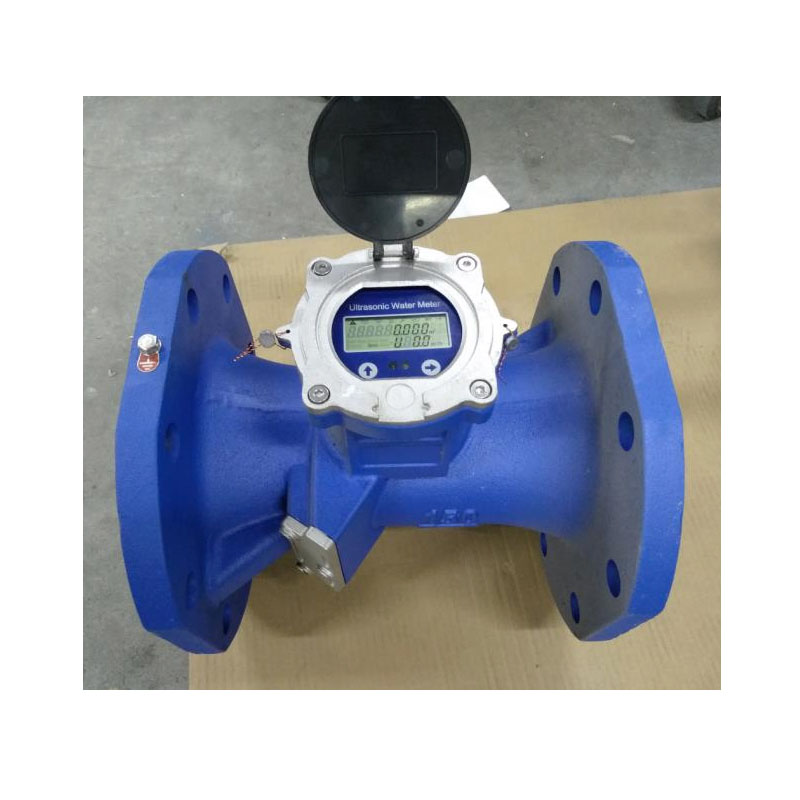
Instrument for measuring flow is a highly essential tool for various industrial applications. Our range of flow instruments are designed in a way to provide accurate and reliable measurement of flow in different environments. With advanced technology and precise calibration, our instruments ensure precise readings and assist in effective process control. Our flow meters are ideal for use in industries such as oil and gas, water treatment, chemical, and more.
Our flow meters have been designed to provide accurate measurement of flow under different conditions. They are available in different models, such as ultrasonic, magnetic, and turbine, to cater to various flow measurement needs. Our instruments are highly durable and can withstand harsh environmental conditions. Equipped with user-friendly features, they are easy to operate and require minimal maintenance, making them an ideal choice for different industrial applications.

The flow instrument products are essential tools designed for measuring, monitoring, and controlling the flow of liquids, gases, and other fluids in a variety of industrial processes. These instruments are equipped with advanced technology and advanced features, making them highly accurate and reliable for use in various applications. With their user-friendly interface and customizable settings, these products offer seamless integration and easy operation, catering to the specific needs of different industries. From flow meters to flow switches, these instruments are built to withstand harsh working environments and provide precise and real-time data, making them an indispensable asset for any production system. They not only ensure efficient operation and cost savings but also contribute to optimizing processes and maintaining the quality of the final product. With their high performance and durability, flow instrument products are the top choice for industries seeking to enhance their productivity and efficiency.
2.How often does the flow instrument require maintenance?
3.Is your flow instrument suitable for hazardous environments?
4.Can the flow instrument be used for flow control?
5.Is the flow instrument affected by changes in the fluid’s density or viscosity?
6.How do I know which flow instrument is suitable for my application?
7.Is the flow instrument suitable for batch processes?
8.Is your flow instrument suitable for abrasive fluids?
9.Is your flow instrument suitable for high-pressure applications?
10.Is your flow instrument suitable for cryogenic fluids?
1.Can your flow instrument be calibrated?
Yes, our flow instruments are factory calibrated, and we offer on-site calibration services as well. Our team can also guide you through the field calibration process if needed.
2.How often does the flow instrument require maintenance?
Our flow instruments are designed to be low-maintenance, with most models requiring maintenance every 1-2 years. The exact frequency of maintenance may vary depending on the application and conditions of use.
3.Is your flow instrument suitable for hazardous environments?
Yes, we offer intrinsically safe and explosion-proof flow instruments for use in hazardous environments. These instruments are certified and meet all safety standards.
4.Can the flow instrument be used for flow control?
Yes, our flow instruments can be integrated with flow control systems to regulate the flow rate. Please consult with our team for more information on the type of flow control system that is compatible with our instrument.

5.Is the flow instrument affected by changes in the fluid’s density or viscosity?
Our flow instruments are designed to compensate for changes in fluid density or viscosity, providing accurate flow measurements even with varying conditions. However, please consult with our team for the specific model’s capabilities.
6.How do I know which flow instrument is suitable for my application?
Our team of experts can help you select the right flow instrument for your specific application. Please provide us with details about your flow media, flow rate, and any other relevant information, and we will guide you to the appropriate model and sensor.
7.Is the flow instrument suitable for batch processes?
Our flow instruments can be used in batch processes, and we also offer options for controlling and monitoring flow rate during the batch process. Please consult with our team for the appropriate model for your application.
8.Is your flow instrument suitable for abrasive fluids?
Our flow instruments have options for handling abrasive fluids, such as those with ceramic or tungsten carbide materials. Please consult with our team for the appropriate model for your application.

9.Is your flow instrument suitable for high-pressure applications?
Our flow instruments are designed to withstand high-pressure environments and can accurately measure flow in these conditions. Please consult with our team for the specific pressure range of the instrument you require.
10.Is your flow instrument suitable for cryogenic fluids?
Yes, we offer specialized flow instruments for cryogenic fluids, such as liquid nitrogen or liquid helium. These instruments are designed to withstand low-temperature environments and accurately measure flow in these conditions.