
The Water Flow Meter is a device used to measure the volumetric flow rate of water in various industrial and commercial applications. It accurately measures the amount of water flowing through a pipe, allowing users to monitor usage, detect leaks, and optimize water consumption.
It is typically composed of a primary sensor, such as a turbine, paddle wheel, or ultrasonic sensor, which is installed in the water flow path, and a secondary display unit which provides real-time flow readings. The flow meter can also be equipped with data logging and communication capabilities for remote monitoring and tracking.
In addition to measuring flow rate, some water flow meters are also capable of measuring other parameters such as total volume, temperature, and pressure. They can be used in a wide range of industries including agriculture, construction, and water treatment.
With its accurate and reliable measurement capabilities, the Water Flow Meter plays an important role in water management, helping to conserve resources and reduce costs. It is an essential tool for businesses and individuals seeking to monitor and control their water usage.
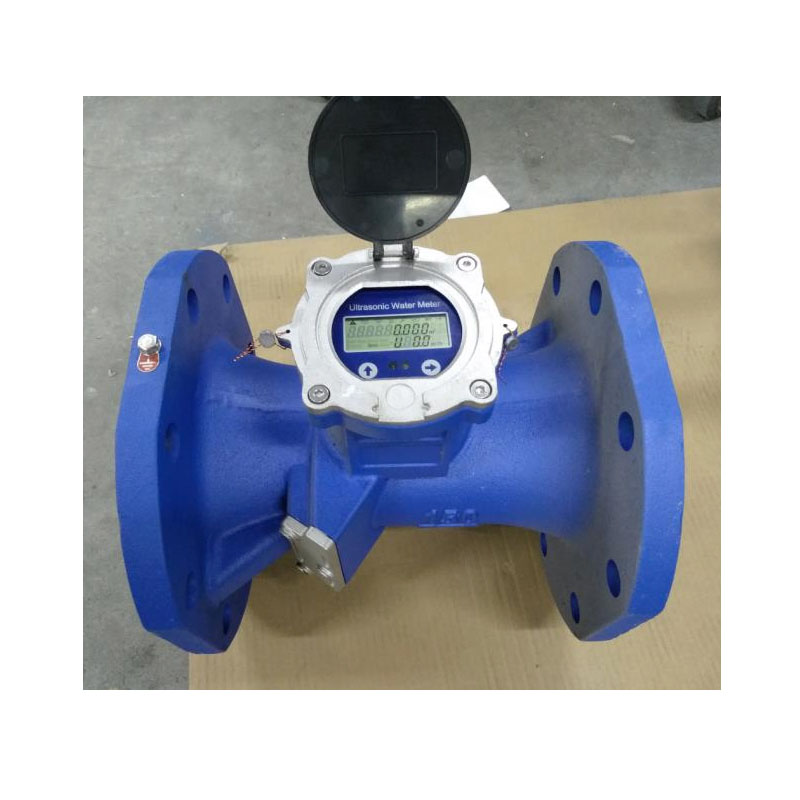
Our cost-effective flow-meter is the perfect solution for efficient fluid management. With its accurate and reliable measurements, it allows you to easily monitor and control the flow of fluids in your system. This not only maximizes productivity but also reduces energy and maintenance costs. Its user-friendly interface and simple installation make it a hassle-free addition to your system. Choose our flow-meter and experience seamless and cost-effective fluid management.
Our high precision flow-meter is the perfect solution for accurate measurement of fluid flow. With advanced technology and precision engineering, our flow-meter delivers unmatched accuracy, making it an indispensable tool for various industries. From industrial processes to laboratory experiments, our flow-meter ensures reliable and precise readings every time. Its user-friendly interface and compact design make it easy to use and install, making it a valuable addition to any setup. Say goodbye to inaccurate readings and invest in our high precision flow-meter for the most precise and reliable measurements.

Water flow meter is a measuring instrument used to quantify the movement of water through a pipeline or system. This device plays a crucial role in various industries including water treatment, irrigation, and utilities. By accurately measuring the volume or rate of water flow, it helps in monitoring and controlling the usage and distribution of water. With the continuous advancements in technology, water flow meters have evolved from traditional mechanical devices to modern electronic and digital meters, providing even more precise and reliable measurements. In this report, we will discuss the different types of water flow meters and their applications, as well as the benefits they offer for efficient water management.
2.Can a water flow meter be used for different types of liquids?
3.What are the potential consequences of not having a water flow meter installed in a water distribution system?
4.What types of materials are used to make water flow meters?
5.Are there any environmental factors that can affect the accuracy of a water flow meter?
6.What is a water flow meter and how does it work?
7.Do water flow meters require regular maintenance?
8.What are the benefits of using a wireless water flow meter?
9.Can a water flow meter measure both volume and flow rate?
10.How often should a water flow meter be calibrated?
1.Can a water flow meter be used for industrial and residential purposes?
Yes, a water flow meter can be used for both industrial and residential purposes. In industrial settings, water flow meters are commonly used to measure the flow rate of water in various processes and systems, such as cooling systems, boilers, and irrigation systems. In residential settings, water flow meters are used to measure the amount of water used by households for billing purposes and to detect leaks. They can also be used to monitor water usage for conservation purposes.
2.Can a water flow meter be used for different types of liquids?
Yes, a water flow meter can be used for different types of liquids as long as the meter is compatible with the specific liquid being measured. Different types of liquids may have different viscosities, densities, and chemical properties, so it is important to select a flow meter that is suitable for the specific liquid being measured. Some flow meters may have adjustable settings or different calibration options to accommodate different types of liquids. It is important to consult the manufacturer’s specifications and guidelines to ensure proper usage of the flow meter for different liquids.
3.What are the potential consequences of not having a water flow meter installed in a water distribution system?
1. Inaccurate Billing: Without a water flow meter, it is impossible to accurately measure the amount of water being used by each customer. This can lead to incorrect billing and disputes between the water supplier and customers.
2. Water Loss: A water flow meter helps to detect leaks and identify areas of high water usage. Without it, leaks can go undetected, resulting in significant water loss and increased costs for the water supplier.
3. Inefficient Water Management: A water flow meter provides valuable data on water usage patterns, which can help water suppliers to better manage their resources. Without this information, it becomes difficult to identify areas of high or low demand and make informed decisions about water distribution.
4. Inadequate Maintenance: Water flow meters require regular maintenance and calibration to ensure accurate readings. Without a flow meter, there is no way to monitor the performance of the water distribution system, leading to potential breakdowns and disruptions in service.
5. Non-Compliance with Regulations: Many countries have regulations in place that require water suppliers to install flow meters to accurately measure and report water usage. Not having a flow meter can result in non-compliance and potential penalties.
6. Inability to Monitor Water Quality: Some flow meters are equipped with sensors that can detect changes in water quality, such as the presence of contaminants. Without a flow meter, it becomes difficult to monitor and maintain water quality standards.
7. Difficulty in Planning and Forecasting: Water flow data is essential for planning and forecasting future water demand. Without a flow meter, it becomes challenging to accurately predict and prepare for changes in water usage patterns.
8. Increased Operational Costs: Without a flow meter, water suppliers may have to rely on estimated water usage, which can result in over or underestimation of costs. This can lead to financial losses and increased operational costs for the water supplier.

4.What types of materials are used to make water flow meters?
1. Metals: Commonly used metals for water flow meters include stainless steel, brass, and aluminum. These materials are durable, corrosion-resistant, and can withstand high pressures and temperatures.
2. Plastics: Thermoplastics such as PVC, polypropylene, and nylon are also used in water flow meters. They are lightweight, cost-effective, and resistant to chemicals and corrosion.
3. Ceramics: Ceramic materials such as alumina and zirconia are used in some specialized water flow meters. They have excellent wear resistance and can withstand high temperatures and pressures.
4. Glass: Glass is used in some flow meters for its transparency, allowing for visual inspection of the flow. It is also resistant to corrosion and can withstand high temperatures.
5. Rubber and elastomers: These materials are used in the construction of flow meters to provide a seal between different components and to protect against vibration and shock.
6. Magnetic materials: Some flow meters use magnetic materials such as neodymium or samarium cobalt to measure the flow of conductive liquids. These materials are highly sensitive to changes in magnetic fields.
7. Ultrasonic materials: Ultrasonic flow meters use materials such as piezoelectric crystals or ceramics to generate and receive ultrasonic signals to measure the flow of liquids.
8. Composites: Some flow meters use composite materials, which are a combination of two or more materials, to provide a balance of properties such as strength, durability, and corrosion resistance.
9. Rubber and elastomers: These materials are used in the construction of flow meters to provide a seal between different components and to protect against vibration and shock.
10. Electronic components: Modern flow meters may also contain electronic components such as sensors, transmitters, and displays, which are typically made of materials such as silicon, copper, and plastic.
5.Are there any environmental factors that can affect the accuracy of a water flow meter?
1. Temperature: Changes in temperature can affect the viscosity of the water, which can in turn affect the accuracy of the flow meter. Higher temperatures can decrease the viscosity, resulting in a faster flow rate and potentially inaccurate readings.
2. Pressure: Changes in pressure can also affect the accuracy of a water flow meter. Higher pressures can cause the water to flow faster, resulting in higher readings, while lower pressures can cause slower flow rates and lower readings.
3. Contaminants: If the water being measured contains particles or debris, it can affect the accuracy of the flow meter. These contaminants can clog or damage the meter, leading to inaccurate readings.
4. Humidity: High levels of humidity can cause condensation to form on the flow meter, which can affect its performance and accuracy.
5. Elevation: The altitude at which the flow meter is installed can also affect its accuracy. Higher elevations have lower air pressure, which can affect the flow rate and result in inaccurate readings.
6. Installation: Improper installation of the flow meter, such as incorrect positioning or incorrect pipe size, can also affect its accuracy. It is important to follow the manufacturer’s instructions for installation to ensure accurate readings.
7. Electrical interference: If the flow meter is located near electrical equipment or power lines, it can be affected by electromagnetic interference, which can result in inaccurate readings.
8. Maintenance: Lack of regular maintenance, such as cleaning and calibration, can also affect the accuracy of a water flow meter over time. It is important to follow the manufacturer’s recommended maintenance schedule to ensure accurate readings.
6.What is a water flow meter and how does it work?
A water flow meter is a device used to measure the volume of water flowing through a pipe or system. It is commonly used in residential, commercial, and industrial settings to monitor water usage and detect leaks.
The most common type of water flow meter is a mechanical meter, which works by using a turbine or paddle wheel to measure the velocity of the water passing through it. As the water flows through the meter, it causes the turbine or paddle wheel to rotate. The rotation is then converted into a volume measurement by a series of gears and dials.
Another type of water flow meter is the ultrasonic meter, which uses sound waves to measure the velocity of the water. The meter emits high-frequency sound waves into the water and measures the time it takes for the waves to travel between two points. The difference in time is used to calculate the velocity and, ultimately, the volume of water flowing through the meter.
Some water flow meters also use electromagnetic sensors to measure the velocity of the water. These meters work by applying a magnetic field to the water and measuring the voltage generated as the water flows through the field. The voltage is then converted into a volume measurement.
In addition to measuring the volume of water, some flow meters also have the ability to measure the temperature and pressure of the water, providing more comprehensive data on the water flow.
Overall, water flow meters are essential tools for accurately measuring and monitoring water usage, helping to conserve water and detect any potential issues in the system.

7.Do water flow meters require regular maintenance?
Yes, water flow meters require regular maintenance to ensure accurate readings and proper functioning. This may include cleaning, calibration, and replacement of worn or damaged parts. The frequency of maintenance will depend on the type of flow meter and the conditions in which it is used. It is recommended to follow the manufacturer’s guidelines for maintenance and to schedule regular inspections by a trained professional.
8.What are the benefits of using a wireless water flow meter?
1. Easy installation: Wireless water flow meters do not require any wiring or drilling, making them easy to install and set up. This saves time and effort compared to traditional wired meters.
2. Remote monitoring: With wireless water flow meters, you can monitor your water usage remotely from anywhere, using a computer or a mobile device. This allows you to keep track of your water consumption and detect any leaks or abnormalities in real-time.
3. Cost-effective: Wireless water flow meters eliminate the need for manual meter reading, reducing labor costs and potential human errors. They also help identify and fix leaks quickly, saving you money on water bills.
4. Accurate readings: Wireless water flow meters use advanced technology to provide accurate and precise readings of water flow. This helps in better management of water usage and conservation efforts.
5. Real-time alerts: Some wireless water flow meters come with the feature of sending real-time alerts in case of abnormal water usage or leaks. This allows for prompt action to be taken, preventing any potential damage or wastage.
6. Easy data management: Wireless water flow meters come with software that allows for easy data management and analysis. This helps in identifying patterns and trends in water usage, which can aid in making informed decisions for water conservation.
7. Compatibility: Wireless water flow meters are compatible with various types of pipes and can be used for both residential and commercial applications. They can also be integrated with other smart home systems for a more comprehensive monitoring and control.
8. Energy efficiency: By accurately measuring water flow, wireless water flow meters can help in optimizing energy usage for water pumps and other equipment, leading to energy savings and reduced utility costs.
9.Can a water flow meter measure both volume and flow rate?
Yes, a water flow meter can measure both volume and flow rate. The volume is the total amount of water that has passed through the meter, while the flow rate is the rate at which the water is flowing through the meter. Some water flow meters have the capability to display both volume and flow rate simultaneously, while others may require manual calculations to determine one or the other.

10.How often should a water flow meter be calibrated?
A water flow meter should be calibrated at least once a year. However, the frequency of calibration may vary depending on the specific application and industry standards. Some industries may require more frequent calibration, such as every 6 months, to ensure accurate and reliable measurements. It is important to follow the manufacturer’s recommendations and any regulatory requirements for calibration frequency. Additionally, if there are any changes in the operating conditions or if the meter is showing signs of malfunction, it should be calibrated immediately.