


In today’s rapidly evolving industrial landscape, ensuring the accuracy of your instrumentation is more crucial than ever. Pressure transmitters, as vital components in process control, play a pivotal role in maintaining operational efficiency and safety. At Jiangsu Hongguang Instrument Factory Co., Ltd (abbreviated as Hongguang), we are dedicated to helping industries achieve optimal measurement precision. This article presents a comprehensive guide to calibrating your pressure transmitter, highlighting industry best practices and the latest trends in pressure transmitter calibration and digital pressure gauge technology.
Why Accurate Calibration Matters
Pressure transmitters are at the heart of many industrial processes, providing critical data for monitoring and controlling pressure in pipelines, tanks, and reactors. Inaccurate readings can lead to process inefficiencies, product quality issues, and even hazardous situations. Regular calibration ensures your transmitters deliver reliable and precise measurements, reducing downtime and supporting regulatory compliance.
At Hongguang, we understand that calibration is not just a routine maintenance task but a strategic investment in your plant’s performance and safety. With the advent of advanced digital pressure gauge solutions, calibration processes have become more streamlined, enabling faster and more accurate adjustments.
Step-by-Step Guide to Calibrating Your Pressure Transmitter
1. Preparation and Safety Measures
- Isolate the transmitter from the process to ensure safety.
- Depressurize the system and disconnect electrical connections as needed.
- Gather all necessary calibration equipment, including a reference digital pressure gauge, power supply, and relevant documentation.
Using a high-precision digital pressure gauge, such as those supplied by Hongguang, ensures your reference standard is trustworthy and traceable.
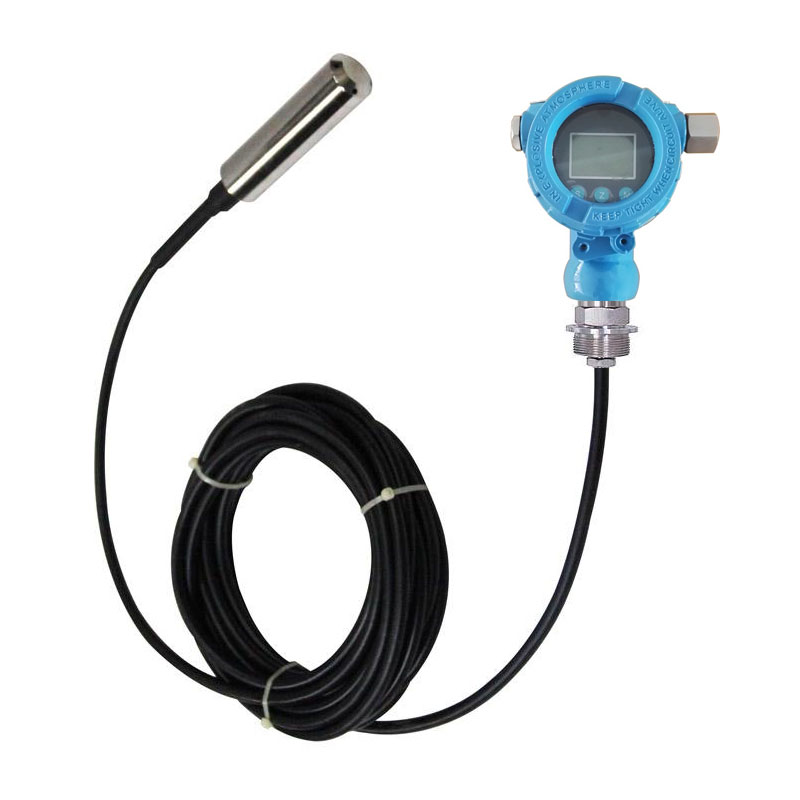
2. Zero and Span Adjustment
- Connect the transmitter to the calibration setup, ensuring all connections are secure and leak-free.
- Apply zero pressure (atmospheric or vacuum, as required) and adjust the transmitter’s zero setting.
- Apply full-scale pressure using the reference gauge and adjust the span setting accordingly.
Modern pressure transmitters often feature digital interfaces, allowing for fine-tuning via software, which enhances calibration efficiency and repeatability.
3. Verification and Documentation
- Apply pressure at several points across the measurement range and record the transmitter’s output at each point.
- Compare these readings with the reference digital pressure gauge to assess accuracy.
- Document all results, noting any deviations or required adjustments.
Accurate documentation is essential for traceability and future audits. Hongguang provides calibration certificates for all its instruments, ensuring compliance with industry standards.
Industry Trends: Digital Pressure Gauge Integration
The integration of digital pressure gauges in calibration routines is revolutionizing the industry. These devices offer higher accuracy, better stability, and improved ease of use compared to traditional analog gauges. Hongguang’s latest digital pressure gauge models feature intuitive interfaces, data logging capabilities, and wireless connectivity, enabling remote monitoring and diagnostics.
Furthermore, the adoption of smart calibration systems is gaining momentum. These systems automate much of the calibration process, reducing human error and increasing throughput. For industries such as oil & gas, chemical processing, and pharmaceuticals, where precision is paramount, these advancements are game-changers.
Best Practices for Ongoing Calibration Management
Calibration is not a one-time event but an ongoing process. Hongguang recommends establishing a regular calibration schedule based on manufacturer guidelines, process criticality, and historical performance data. Leveraging digital pressure gauge technology allows for more frequent and less intrusive checks, minimizing process disruption.
Additionally, investing in training for calibration personnel ensures that procedures are consistently followed and that the latest industry standards are met. Hongguang offers comprehensive training and support services to help clients maintain peak instrument performance.
Hongguang’s Commitment to Quality and Innovation
As a leading manufacturer in the instrumentation sector, Jiangsu Hongguang Instrument Factory Co., Ltd is committed to delivering reliable, high-precision pressure transmitters and digital pressure gauges. Our products undergo rigorous quality control and calibration before shipment, ensuring they meet the most demanding industry requirements.
We continuously invest in research and development to stay at the forefront of measurement technology. By partnering with Hongguang, clients benefit from cutting-edge solutions, expert technical support, and a commitment to long-term value.
Industry Insights Table: Calibration Frequency Recommendations
| Industry | Recommended Calibration Interval | Notes |
|---|---|---|
| Oil & Gas | 6-12 months | Critical for safety and regulatory compliance |
| Procesado químico | 6-12 months | Depends on process variability |
| Pharmaceutical | 3-6 months | Stringent accuracy requirements |
| Water Treatment | 12 meses | Monitor for drift due to environmental factors |
Conclusión
Accurate calibration of your pressure transmitter is essential for maintaining process integrity, safety, and compliance. By following the steps outlined above and leveraging advanced digital pressure gauge technology, you can ensure your instrumentation delivers reliable performance year-round. Hongguang remains your trusted partner for high-quality measurement solutions, calibration services, and industry expertise.
For more information on pressure transmitter calibration and digital pressure gauge offerings, contact Jiangsu Hongguang Instrument Factory Co., Ltd today and discover how we can support your operational excellence.