


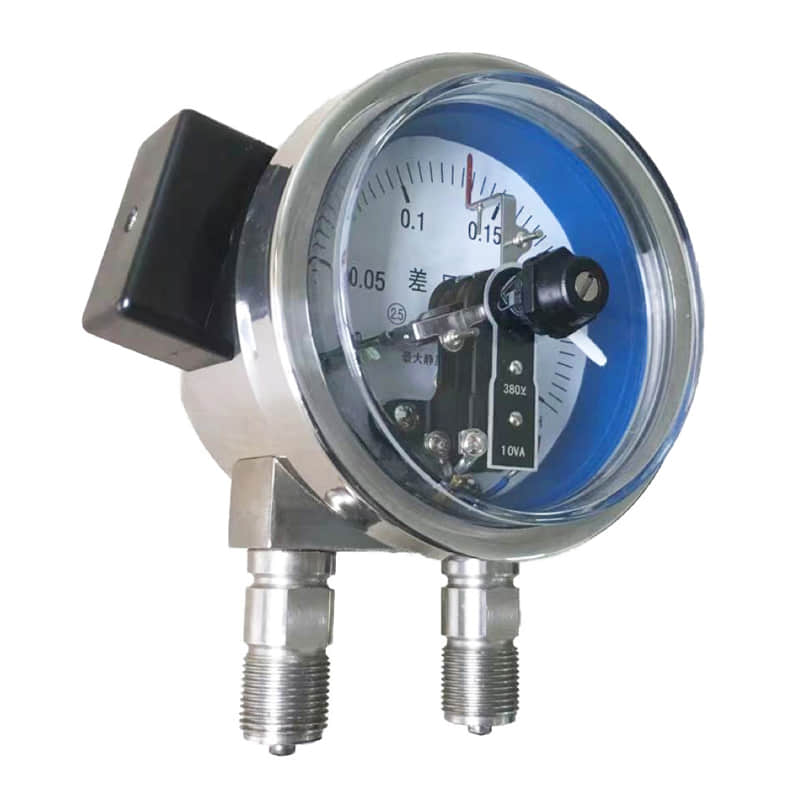
Pressure gauge is indispensable instruments in various industrial sectors, employed to measure the pressure of liquids or gases within a system. Hongguang Instrument Factory, a renowned industrial automation instrument manufacturer, produces high-quality pressure gauges that are crucial for monitoring and ensuring the safety and efficiency of industrial processes. In this article, we will explore both the advantages and disadvantages of using them.

Advantages of Pressure Gauge
● Accuracy and Reliability
Pressure gauges, especially those manufactured by Hongguang Instrument Factory, are known for their accuracy and reliability. With precision tolerances as tight as ±0.5% of the full scale, these devices provide essential data that helps in the precise control of industrial processes. The reliability of these instruments ensures that they consistently produce accurate readings, crucial for maintaining optimal operational conditions and preventing equipment failures.
● Cost-Effectiveness
Compared to other monitoring instruments like electronic sensors, pressure gauges are more cost-effective, both in terms of initial investment and maintenance costs. A typical high-quality gauge from Hongguang Instrument Factory can cost between $50 to $200, significantly lower than most digital instruments which may range from $500 to $1000. Additionally, the longevity and low maintenance requirements of mechanical pressure gauges make them a more economical choice over the long term.
● Simplicity and Ease of Use
One of the significant advantages is their simplicity and ease of use. They do not require any power supply, which makes them particularly useful in environments where power is unreliable or unavailable. Furthermore, their analog display allows for quick and easy reading of results without the need for complex interpretations, which is often necessary with digital devices.
● Durability
Pressure gauges are designed to withstand harsh conditions, including extreme temperatures and vibrations, which are common in industrial settings. We ensures that their gauges are built to endure such environments by using robust materials such as stainless steel for the casing and borosilicate glass for the viewing lens. This makes them highly durable and capable of operating effectively over long periods, even under strenuous conditions.
Disadvantages
● Calibration and Maintenance
While pressure gauges are generally low maintenance, they do require regular calibration to maintain accuracy. Calibration typically needs to be performed annually or bi-annually, depending on the usage and the critical nature of the application. The process can be time-consuming and requires skilled personnel, potentially increasing operational costs if high accuracy is crucial.
● Susceptibility to Mechanical Shock
Despite their robust construction, mechanical pressure gauges can be sensitive to shocks and vibrations, which can lead to misalignment of the internal mechanism or damage to the calibration. In environments with high mechanical shocks, these gauges might require more frequent replacements or repairs, negating some of the cost benefits.
● Limited Data Capabilities
Unlike digital instruments, mechanical pressure gauges provide only local visual readings. This means they cannot be integrated into data logging or remote monitoring systems without additional sensors and transmitters. For Hongguang Instrument Factory, addressing this limitation involves incorporating supplementary technology, which can increase the complexity and cost of the installation.
● Reading Errors
The analog nature of pressure gauges can lead to reading errors due to parallax or misinterpretation of the scale, especially if the dial is cluttered or the gauge is not positioned directly in the line of sight of the observer. These errors can be as much as 1-2% of the full scale, which might be significant in applications requiring high precision.
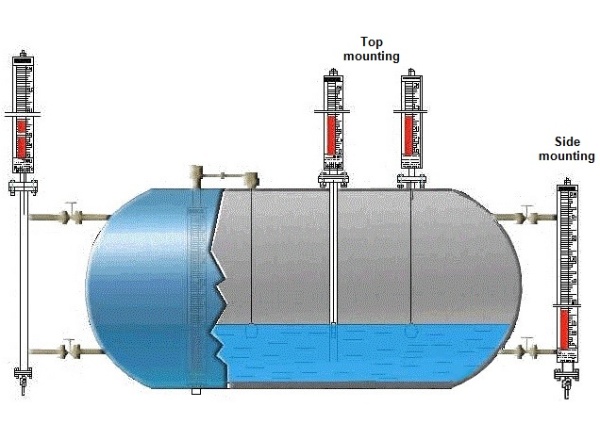
Pressure gauges remain a fundamental component of industrial monitoring, combining reliability, cost-effectiveness, and simplicity. Usine d'instruments de Hongguang, as a leading industrial automation instrument manufacturer, continues to innovate in the development of these devices to minimize their disadvantages while enhancing their positive attributes. Despite the challenges associated with mechanical pressure gauges, they are an invaluable tool in the industrial sector, providing critical measurements that help maintain the safety and efficiency of operations. As technology evolves, the integration of digital features with the robustness of traditional mechanical gauges is likely to provide even more reliable and versatile solutions for industrial needs.