

Differential pressure gauges play a critical role in a wide range of industrial applications, from monitoring filtration systems to ensuring the safe operation of HVAC equipment. As a trusted manufacturer in the instrumentation industry, Jiangsu Hongguang Instrument Factory Co., Ltd (often referred to as Hongguang Instrument) is dedicated to helping users maximize the lifespan and accuracy of their differential pressure gauges. In this article, we will guide you through effective maintenance and troubleshooting practices, integrating the latest industry standards and a focus on long-term performance.
Understanding Differential Pressure Gauges
A differential pressure gauge measures the difference in pressure between two points, providing essential data for process control and system safety. These instruments are widely used in sectors like oil & gas, water treatment, pharmaceuticals, and HVAC. The reliability of your differential pressure gauge directly impacts operational efficiency and safety, making regular maintenance and prompt troubleshooting crucial.
Key Components and Their Functions
- Sensing Element: Converts pressure difference into mechanical movement.
- Dial and Pointer: Visually displays the measured differential pressure.
- Pressure Ports: Connect to the high and low-pressure sides of the system.
- Seals and Gaskets: Prevent leaks and protect internal components.
Routine Maintenance for Differential Pressure Gauges
Regular maintenance is essential to ensure the accuracy and longevity of your differential pressure gauge. Hongguang Instrument recommends the following steps as part of your preventive maintenance routine:
1. Visual Inspection
- Check for physical damage, corrosion, or leaks around the gauge and its connections.
- Inspect the dial and pointer for clarity and correct alignment.
- Ensure that seals and gaskets are intact and free from wear.
2. Calibration Verification
- Periodically compare the gauge reading with a calibrated reference standard.
- Adjust or recalibrate as necessary to maintain accuracy, following manufacturer guidelines.
3. Cleaning Procedures
- Clean the gauge exterior with a soft, damp cloth.
- Avoid the use of harsh chemicals or solvents that may damage the housing or window.
- If the gauge is exposed to contaminants, consider installing protective filters.
4. Pressure Port Maintenance
- Inspect and clean pressure ports regularly to prevent blockages.
- Use appropriate tools and avoid excessive force to prevent damage.
By following these steps, you can minimize the risk of unexpected failures and ensure consistent performance. Many industries, such as chemical processing and food & beverage, have strict compliance requirements for instrumentation maintenance, making these routines even more critical.
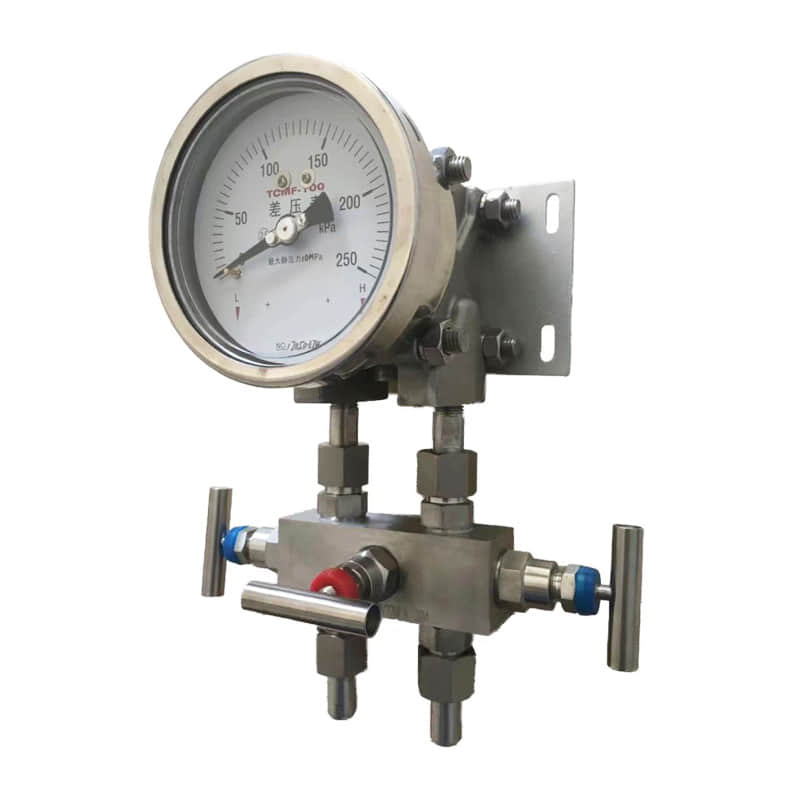
débitmètre agilent
débitmètre à pression différentielle
flow meter for gas
Troubleshooting Common Issues
Even with regular maintenance, issues may occasionally arise. Here are some common problems encountered with differential pressure gauges and recommended troubleshooting steps from Hongguang Instrument:
1. Inaccurate Readings
- Check for calibration drift and recalibrate if needed.
- Inspect for blockages or leaks in the pressure lines.
- Verify that the gauge is installed in the correct orientation and that the pressure ports are connected properly.
2. Sticking or Jammed Pointer
- Look for debris or contaminants inside the gauge mechanism.
- Ensure the gauge is not exposed to excessive vibration or mechanical shocks.
- If the issue persists, consult with Hongguang Instrument’s technical support for repair or replacement.
3. Gauge Not Responding
- Confirm that both high and low-pressure connections are securely attached.
- Check for internal component failure, which may require professional service.
- Replace any damaged seals or gaskets to restore functionality.
Industry Trends and Advanced Solutions
As industries evolve, the demand for smart and reliable pressure measurement solutions continues to grow. Hongguang Instrument is at the forefront of innovation, offering differential pressure gauges with enhanced features such as digital displays, remote monitoring, and advanced materials for harsh environments. These advancements are particularly valuable in energy, pharmaceutical, and semiconductor industries, where precision and reliability are paramount.
Digital Differential Pressure Gauges
Modern digital differential pressure gauges provide higher accuracy and data logging capabilities. They are increasingly adopted in process automation and quality control, helping industries meet stringent regulatory requirements. Hongguang Instrument’s latest models are equipped with user-friendly interfaces and connectivity options for seamless integration with industrial control systems.
Integration with Smart Systems
The integration of differential pressure gauges with IoT platforms enables real-time monitoring, predictive maintenance, and remote diagnostics. This reduces downtime and maintenance costs, while enhancing overall system reliability. Hongguang Instrument continues to develop solutions that support Industry 4.0 initiatives, ensuring customers stay ahead in a competitive market.
Keyword Focus: Differential Pressure Switch and Pressure Transmitter
In many applications, a differential pressure switch is used alongside a differential pressure gauge to provide automatic alerts or control actions when pressure thresholds are exceeded. This ensures safety and process integrity in systems such as filtration units and pump protection circuits. Hongguang Instrument offers compatible differential pressure switches that can be easily integrated with their gauges for comprehensive monitoring solutions.
Similarly, a pressure transmitter converts the measured pressure into an electronic signal, enabling remote monitoring and data acquisition. Pressure transmitters are essential in distributed control systems (DCS) and supervisory control and data acquisition (SCADA) environments. Hongguang Instrument designs pressure transmitters that offer high accuracy and stability, suitable for demanding industrial applications.
Best Practices for Long-Term Performance
- Schedule routine inspections and calibrations according to manufacturer recommendations.
- Train personnel on proper installation, operation, and maintenance procedures.
- Maintain detailed records of maintenance, calibration, and any issues encountered.
- Choose gauges and accessories from reputable manufacturers like Hongguang Instrument for assured quality and support.
When to Replace Your Differential Pressure Gauge
While regular maintenance can significantly extend the life of your differential pressure gauge, there comes a time when replacement is necessary. Indicators include persistent calibration drift, mechanical wear, or damage that cannot be repaired. Hongguang Instrument provides a wide range of replacement options and technical support to assist with product selection and installation.
Conclusion
Maintaining and troubleshooting your differential pressure gauge is essential for ensuring the safety, efficiency, and reliability of your industrial processes. By following the guidelines set forth by Jiangsu Hongguang Instrument Factory Co., Ltd, you can achieve long-term performance and reduce operational risks. Whether you require traditional mechanical gauges, advanced digital models, or integrated solutions with differential pressure switches and pressure transmitters, Hongguang Instrument is committed to delivering quality products and expert support for your industry needs.
For more information on maintenance practices, troubleshooting tips, or to explore Hongguang Instrument’s full range of differential pressure measurement solutions, visit their official website or contact their technical support team today.