

Flow instrument, also known as flow meters, are devices used to measure the flow rate, amount, or volume of gases, liquids, or slurries as they move through a system. These instruments play a critical role in many industrial processes, from monitoring water flow in pipelines to measuring fuel consumption in vehicles. They provide essential information for process control, quality assurance, and efficiency optimization.
The most common types of flow instruments include mechanical, differential pressure, electromagnetic, ultrasonic, and Coriolis flow meters. Each of these instruments works on a different principle and is suitable for specific applications.
Mechanical flow meters, also called positive displacement meters, operate by measuring the flow of a fluid through a known volume, such as a rotating turbine or a piston. They are reliable in low flow rates but require regular maintenance, making them more suitable for non-continuous flow applications.
Differential pressure flow meters use the Bernoulli’s equation to measure the pressure drop across an obstruction placed in the flow. This pressure drop is then correlated to the flow rate. Venturi, orifice, and flow nozzle are some common types of differential pressure flow meters.
Electromagnetic flow meters utilize Faraday’s law of electromagnetic induction to measure the flow rate of conductive fluids. These meters are accurate, reliable, and suitable for a wide range of flow rates and fluids, including corrosive and abrasive ones.
Ultrasonic flow meters use the transit time or Doppler effect to measure the flow rate. They are non-intrusive and can measure both clean and dirty fluids, making them suitable for a variety of applications. They are often used in open-channel flow measurement, where the fluid carries solid particles.
Coriolis flow meters utilize the Coriolis effect, which causes any moving object on the Earth to deviate from its straight path. These meters measure the change in oscillation of a vibrating tube caused by the fluid flow, providing a highly accurate measurement of mass flow rate.
Apart from these common types, there are also thermal, turbine, vortex, and ultrasonic doppler flow meters, each with its unique principles and applications.
Flow instruments are used in various industries, including oil and gas, water and wastewater treatment, food and beverage, pharmaceutical, and chemical manufacturing. They are critical for maintaining process stability, meeting regulatory compliance, and ensuring product quality.
In addition to measuring flow rate, some flow instruments also provide additional data, such as temperature, pressure, density, and viscosity. This information is essential for accurately calculating the mass flow rate and for process control and optimization.
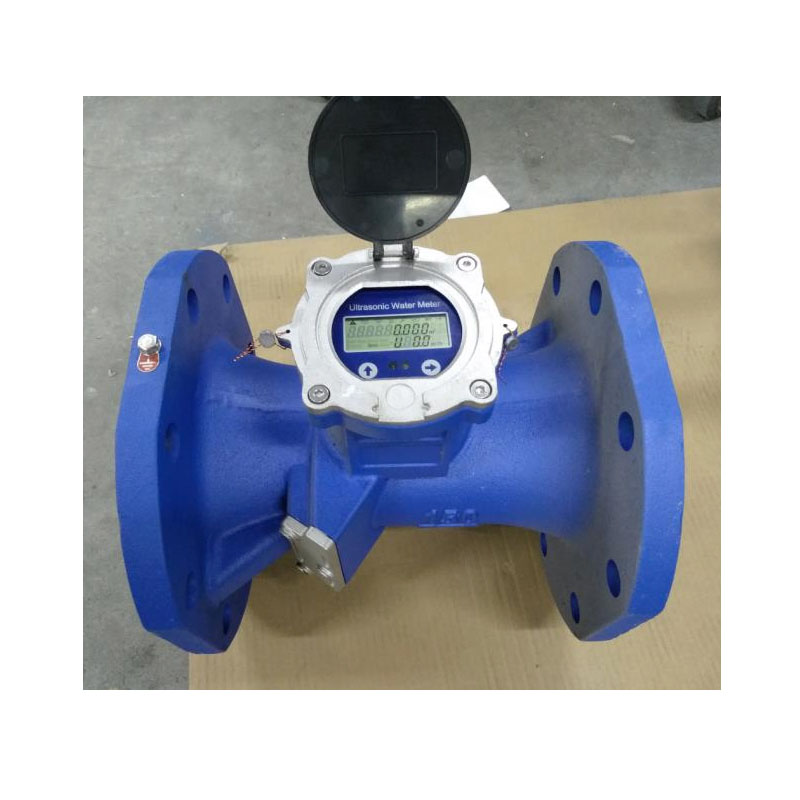
Our flow meters have been designed to provide accurate measurement of flow under different conditions. They are available in different models, such as ultrasonic, magnetic, and turbine, to cater to various flow measurement needs. Our instruments are highly durable and can withstand harsh environmental conditions. Equipped with user-friendly features, they are easy to operate and require minimal maintenance, making them an ideal choice for different industrial applications.
Our flow instrument products are equipped with state-of-the-art features and functionalities to meet the demanding requirements of modern industries. They are designed to accurately measure flow rates of liquids and gases in pipes and pipelines. Our instruments are made with high-quality materials and follow stringent quality control processes to ensure durability and reliability. Easy to install and operate, our flow instruments help optimize process efficiency and improve productivity.

The flow instrument products are essential tools designed for measuring, monitoring, and controlling the flow of liquids, gases, and other fluids in a variety of industrial processes. These instruments are equipped with advanced technology and advanced features, making them highly accurate and reliable for use in various applications. With their user-friendly interface and customizable settings, these products offer seamless integration and easy operation, catering to the specific needs of different industries. From flow meters to flow switches, these instruments are built to withstand harsh working environments and provide precise and real-time data, making them an indispensable asset for any production system. They not only ensure efficient operation and cost savings but also contribute to optimizing processes and maintaining the quality of the final product. With their high performance and durability, flow instrument products are the top choice for industries seeking to enhance their productivity and efficiency.
2.Is your flow instrument suitable for abrasive fluids?
3.Is the flow instrument affected by changes in the fluid’s density or viscosity?
4.Can the flow instrument be used for sanitary applications?
5.Can your flow instrument be used for high-temperature fluids?
6.Can the flow instrument be used to measure corrosive fluids?
7.Can the flow instrument be used for subsea applications?
8.Is the flow instrument compatible with different communication protocols?
9.Can the flow instrument be used for flow profile mapping?
10.Does the flow instrument come with a warranty?
1.Is your flow instrument suitable for cryogenic fluids?
Yes, we offer specialized flow instruments for cryogenic fluids, such as liquid nitrogen or liquid helium. These instruments are designed to withstand low-temperature environments and accurately measure flow in these conditions.
2.Is your flow instrument suitable for abrasive fluids?
Our flow instruments have options for handling abrasive fluids, such as those with ceramic or tungsten carbide materials. Please consult with our team for the appropriate model for your application.
3.Is the flow instrument affected by changes in the fluid’s density or viscosity?
Our flow instruments are designed to compensate for changes in fluid density or viscosity, providing accurate flow measurements even with varying conditions. However, please consult with our team for the specific model’s capabilities.

4.Can the flow instrument be used for sanitary applications?
We offer specialized flow instruments for sanitary applications, including food and beverage processing. These instruments meet the necessary hygiene standards and can accurately measure flow in these environments.
5.Can your flow instrument be used for high-temperature fluids?
Yes, we offer high-temperature flow instruments that can withstand extreme temperatures and accurately measure flow in these conditions. Please contact us for more information about the maximum temperature range of our instruments.
6.Can the flow instrument be used to measure corrosive fluids?
Yes, our flow instruments are designed to withstand corrosive environments and are suitable for measuring corrosive fluids. We use high-quality materials and coatings to ensure the longevity and accuracy of our instruments.

7.Can the flow instrument be used for subsea applications?
Our flow instruments are designed for various applications, including subsea environments. Please provide us with more details about your specific subsea application, and we can advise on the appropriate model.
8.Is the flow instrument compatible with different communication protocols?
We offer flow instruments with various communication protocols such as Modbus, Profibus, and HART, making them easy to integrate with a wide range of systems.
9.Can the flow instrument be used for flow profile mapping?
Yes, we offer flow meters that can accurately map the flow profile and provide data on flow velocity at different points in the channel. These instruments are typically used in open channel flow applications.

10.Does the flow instrument come with a warranty?
Yes, all our flow instruments come with a standard warranty period. The length of the warranty may vary depending on the model and can be extended upon request.