

1. Definition: A differential pressure gauge is a type of pressure measuring instrument that measures the difference in pressure between two different points. It is often used in industrial, commercial, and HVAC applications to monitor and control pressure differentials in various systems.
2. Principle of operation: The differential pressure gauge works based on the principle of balancing the pressure difference between two points by measuring the deflection of a diaphragm or piston. It consists of two sensing elements connected to a mechanism that shows the difference in pressure between the two points.
3. Types: There are various types of differential pressure gauges such as liquid-filled, diaphragm, piston, and digital gauges. Each type has its own advantages and is suitable for different applications.
4. Working range: Differential pressure gauges can measure pressure differences ranging from a few inches of water to several thousand psi, depending on the type and model. The working range of the gauge should be carefully selected based on the intended application.
5. Accuracy: The accuracy of a differential pressure gauge is determined by the sensitivity of the sensing element and the accuracy of the mechanism that converts the deflection into a readable value. The accuracy can range from 1% to 0.1% of the full scale.
6. Scale and units: Differential pressure gauges are available in different scales and units such as psi, bar, kPa, mmH2O, etc. The scale and units should be selected based on the specific application and the standard unit used in the industry.
7. Installation: It is important to install the differential pressure gauge correctly to ensure accurate readings. The gauge should be installed in a location that is free from vibration, heat, and corrosive substances. It is usually installed with the help of pressure gauge fittings and adapters.
8. Maintenance: Differential pressure gauges require regular maintenance to ensure their accuracy and prolong their lifespan. This includes inspecting and cleaning the gauge, checking the zero point, and replacing worn out parts if necessary.
9. Calibration: It is recommended to calibrate the differential pressure gauge periodically to ensure its accuracy. The frequency of calibration depends on the application and the manufacturer’s recommendation.
10. Applications: Differential pressure gauges are used in a wide range of applications, including HVAC systems, filter monitoring, flow measurement, level measurement, and leak detection. They are also used in industrial processes such as pressure monitoring in pipelines, tanks, and pumps.
11. Safety precautions: Proper safety precautions should be taken when using differential pressure gauges, as they are often used in high-pressure systems. Regular inspections and maintenance can help prevent accidents and ensure the safety of the users.
12. Cost: The cost of a differential pressure gauge varies depending on its type, accuracy, and features. Liquid-filled and digital gauges tend to be more expensive than diaphragm or piston gauges. However, the cost should not be the only factor considered when selecting a gauge, as the reliability and accuracy are crucial for proper functioning.
13. Compatibility: When selecting a differential pressure gauge, it is important to ensure that it is compatible with the system and the media it will be measuring. This includes compatibility with the material, pressure range, and temperature.
14. Factors affecting accuracy: The accuracy of a differential pressure gauge can be affected by various factors such as temperature, vibration, and external pressure fluctuations. Careful consideration of these factors is important to ensure accurate readings.
15. Benefits: Differential pressure gauges provide a simple and reliable way to monitor and control pressure differentials in various systems. They can help prevent system failures, improve energy efficiency, and increase safety in industrial processes.
differential pressure gauges are important instruments that play a crucial role in ensuring the proper functioning and safety of various systems. Careful consideration should be given to the specific requirements of the application when selecting a differential pressure gauge to ensure its accuracy and reliability. Regular maintenance and calibration can also help maximize the lifespan and effectiveness of these gauges.
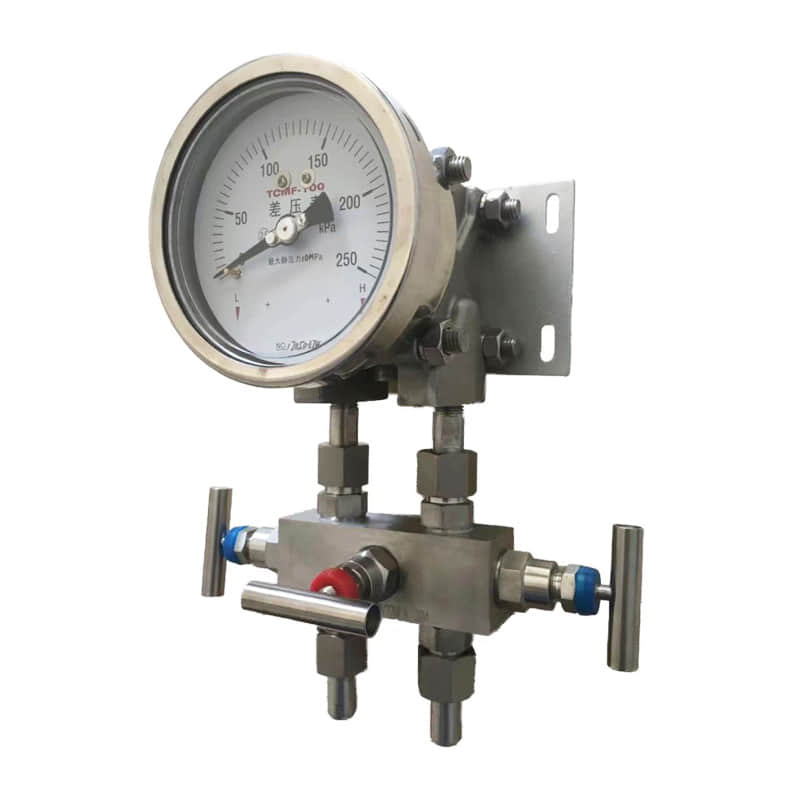
Designed to meet the highest standards of accuracy and reliability, our differential pressure gauge is the perfect solution for measuring and monitoring pressure differentials in a wide range of applications. Its compact size and robust construction make it a versatile option for a variety of industries.
Here are some frequently asked questions about differential pressure gauge :
1: Are there any special considerations for installing a differential pressure gauge?
Yes, it’s important to ensure that the gauge is installed properly and securely to ensure accurate readings. It may also be necessary to use special fittings or adapters for certain applications.

2: How often should a differential pressure gauge be calibrated?
The calibration frequency for a differential pressure gauge depends on the specific application and manufacturer’s recommendations. Generally, it is recommended to calibrate gauges at least once a year.
3: Can a differential pressure gauge be used to measure flow rate?
Yes, a differential pressure gauge can be used to indirectly measure flow rate by measuring the pressure difference across a restriction in the fluid system.
4: What is the accuracy of a differential pressure gauge?
The accuracy of a differential pressure gauge can vary, but it is typically between 1-2% of the full scale range.
5: Are there any industry standards for differential pressure gauges?
Yes, there are various industry standards that dictate the design, performance, and testing requirements for differential pressure gauges, such as ASME B40.100 and EN 837-1.
6: Can a differential pressure gauge be used in hazardous environments?
Yes, there are differential pressure gauges designed for use in hazardous environments, such as those with explosive atmospheres, but they must meet certain safety standards and regulations.
7: What is a diaphragm seal and why is it used in some differential pressure gauges?
A diaphragm seal is a thin flexible membrane that is used to separate the gauge mechanism from the process fluid. It is typically used in applications with corrosive or viscous media.
8: Can a differential pressure gauge be used to measure high temperature fluids?
Yes, there are differential pressure gauges designed for use in high temperature applications, but they must be able to withstand the specific temperature range and have adequate thermal insulation.
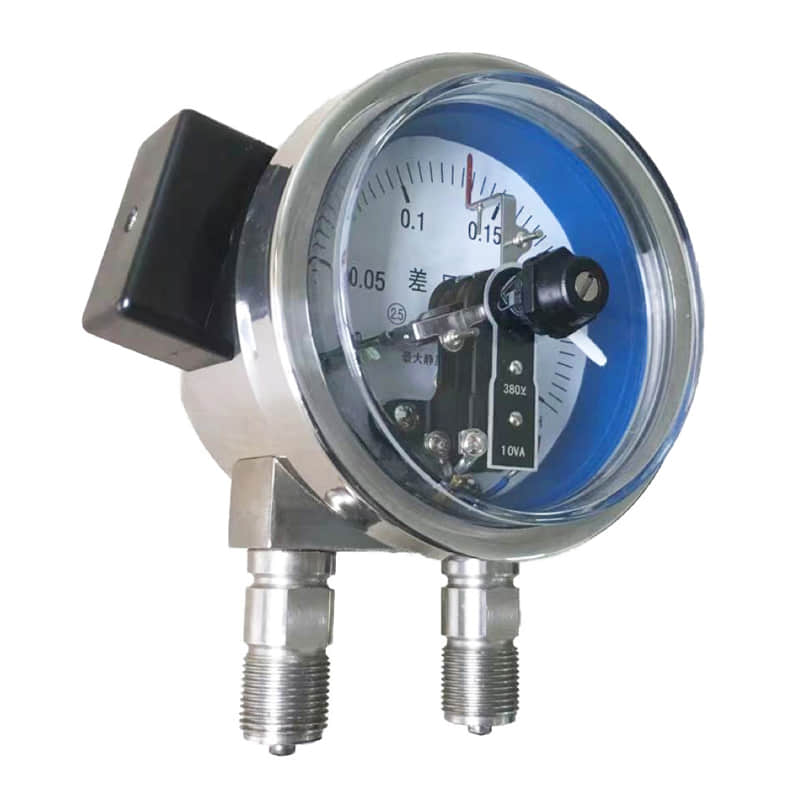
9: What is a bourdon tube and how is it related to differential pressure gauges?
A bourdon tube is a curved hollow tube that is used to convert pressure into mechanical motion. It is a type of elastic element often used in differential pressure gauges.
10: Can a differential pressure gauge be used in vacuum applications?
Yes, there are differential pressure gauges designed for use in vacuum applications, but they must be able to withstand the low pressure range and have appropriate sealing.
11: Are there wireless or digital differential pressure gauge options available?
Yes, there are wireless and digital differential pressure gauges that offer remote monitoring and advanced data collection capabilities.