

In industries where accurate flow measurement is essential, choosing the right flow meter can significantly impact efficiency, accuracy, and overall process control. For companies like Jiangsu Hongguang Instrument Factory Co., Ltd, a leader in industrial automation instruments, control valves, and power cables, providing high-quality flow meters that meet varied industrial demands is a priority. Among the popular flow meters in the market, magnetic flow meters and thermal mass flow meters offer distinct advantages, but choosing the right one depends on several factors, including the application, type of fluid, and desired accuracy.
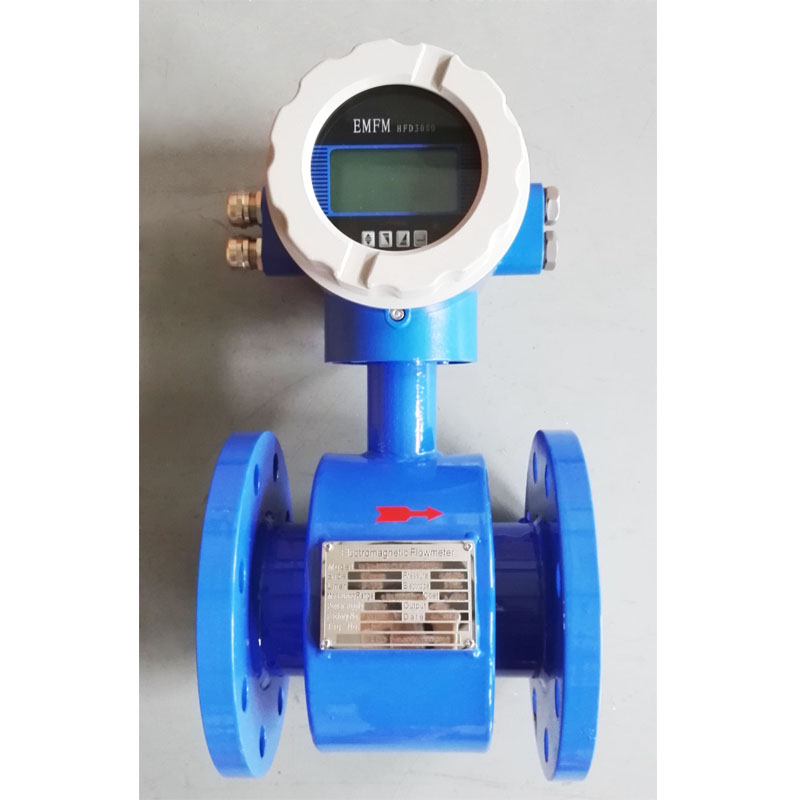
Understanding Magnetic Flow Meters
Magnetic flow meters, also known as mag meters, are widely used in applications involving conductive fluids. By leveraging Faraday’s Law of Electromagnetic Induction, magnetic flow meters measure the velocity of a conductive fluid flowing through a magnetic field. This measurement is then used to determine the volumetric flow rate of the fluid.
Advantages of Magnetic Flow Meters:
- Elevada precisão: Magnetic flow meters are known for their accuracy in measuring the flow rate of conductive liquids, typically with an accuracy range of ±0.5%.
- Sem partes móveis: These flow meters have no moving parts, making them low-maintenance and ideal for applications with corrosive or abrasive fluids.
- Vasta gama de aplicações: Magnetic flow meters work well for various industries, including water treatment, chemical processing, and food and beverage production.
- Minimal Pressure Drop: With no obstructions in the pipe, magnetic flow meters do not create a pressure drop, ensuring a smooth flow of fluid.
Limitations of Magnetic Flow Meters:
- Limited to Conductive Fluids: Magnetic flow meters only work with conductive fluids, such as water-based liquids, slurries, or electrolytes. Non-conductive fluids like oils or gases cannot be measured with this type of flow meter.
- Sensitivity to Electromagnetic Interference: Magnetic flow meters can be susceptible to electromagnetic interference, which may impact accuracy in certain environments.
- Higher Initial Cost: The upfront cost of magnetic flow meters can be higher than other types of flow meters, although the long-term benefits often outweigh the initial expense.
Understanding Thermal Mass Flow Meters
Thermal mass flow meters, on the other hand, operate by measuring the heat dissipation within a fluid flow. A heating element in the flow meter introduces heat into the fluid, and sensors measure the rate at which heat is lost. This rate of heat dissipation correlates to the mass flow rate of the fluid. Thermal mass flow meters are primarily used for measuring gases and are valued for their precision in low-flow or variable-flow applications.
Advantages of Thermal Mass Flow Meters:
- Ideal for Gases: Unlike magnetic flow meters, thermal mass flow meters excel at measuring gas flow, including compressed air, natural gas, and other industrial gases.
- Medição direta do caudal mássico: Thermal mass flow meters measure mass flow directly, eliminating the need for temperature or pressure compensation, which is often required with volumetric flow measurements.
- High Sensitivity at Low Flow Rates: Thermal mass flow meters are highly sensitive to low flow rates, making them ideal for applications where precise control of low gas flow is critical.
- Cost-Effective for Gas Applications: These flow meters are generally more economical when used for gas measurement applications compared to alternative flow measurement technologies.
Limitations of Thermal Mass Flow Meters:
- Limited to Clean Gases: Thermal mass flow meters can be sensitive to contamination, so they work best with clean, dry gases. Dust or particulates in the gas can affect measurement accuracy and require more frequent maintenance.
- Temperature and Humidity Dependence: Changes in the gas’s temperature or humidity can affect the thermal properties of the gas, impacting measurement accuracy.
- Unsuitable for Liquids: Thermal mass flow meters are not designed for liquid measurement, limiting their use to gaseous applications.

Key Differences Between Magnetic Flow Meters and Thermal Mass Flow Meters
When choosing between magnetic and thermal mass flow meters, it’s important to consider key differences that influence their use in various applications:
- Tipo de fluido:
- Magnetic Flow Meters: Best for conductive liquids, including slurries and water-based solutions.
- Thermal Mass Flow Meters: Primarily used for gases, such as air, natural gas, or nitrogen.
- Measurement Type:
- Magnetic Flow Meters: Measure volumetric flow, meaning they indicate the volume of fluid passing through the meter.
- Thermal Mass Flow Meters: Measure mass flow directly, providing information about the actual mass of gas flowing through the meter.
- Environmental Suitability:
- Magnetic Flow Meters: Resistant to harsh conditions involving corrosive or abrasive liquids, thanks to their non-intrusive design.
- Thermal Mass Flow Meters: Best for clean, dry gases and can be impacted by moisture or particulates.
- Application and Industry:
- Magnetic Flow Meters: Commonly used in water and wastewater treatment, food and beverage, and chemical processing industries.
- Thermal Mass Flow Meters: Ideal for applications in the natural gas, HVAC, and compressed air monitoring industries.

Choosing the Right Flow Meter for Your Application
Selecting the right flow meter depends largely on the specifics of the application. Here’s a quick guide to help in making a choice:
Choose a Magnetic Flow Meter If:
- The fluid being measured is conductive (e.g., water or slurry).
- High accuracy and minimal pressure loss are critical.
- The application involves harsh or corrosive fluids that could damage other flow meter types.
- There is a need for minimal maintenance due to challenging operating conditions.
Choose a Thermal Mass Flow Meter If:
- The application involves gas measurement, especially clean and dry gases.
- Direct mass flow measurement without the need for additional calculations is preferred.
- The process requires high sensitivity at low flow rates.
- A cost-effective, low-maintenance solution for gas applications is needed.
Hongguang Instrument Factory: Your Partner in Industrial Automation Instruments
Jiangsu Hongguang Instrument Factory Co., Ltd. is a premier manufacturer of industrial automation instruments, including flow meters, pressure gauges, pressure transmitters, level transmitters, temperature gauges, and more. With expertise in control valves and power cables, Hongguang provides a comprehensive range of solutions designed to meet the needs of diverse industrial applications.
By leveraging advanced technologies and a commitment to precision, Hongguang Instrument Factory ensures that its magnetic flow meters and thermal mass flow meters deliver the accuracy and reliability required in demanding environments. The company’s extensive experience with flow meters and other automation instruments allows it to provide expert guidance in selecting the right equipment for each unique application.

Future Trends in Flow Measurement Technology
As industrial processes become more automated and data-driven, the future of flow measurement is heading toward smart, connected devices. Here’s a look at some emerging trends in flow measurement that are shaping the industry:
- IoT-Enabled Flow Meters: The integration of IoT technology is transforming flow meters into smart devices capable of transmitting data in real-time. This connectivity enables remote monitoring and predictive maintenance, minimizing downtime and enhancing process control.
- Improved Energy Efficiency: Manufacturers are developing more energy-efficient flow meters that reduce operational costs and environmental impact. Hongguang Instrument Factory is already innovating with energy-efficient designs in its flow meter product line.
- Enhanced Material Compatibility: As new materials enter industrial use, flow meters are being designed to withstand diverse conditions, such as extreme temperatures and aggressive chemicals, broadening their applications across industries.
- Increased Use of Machine Learning and AI: With the help of AI, flow meters are becoming more accurate in analyzing complex fluid behaviors, allowing for better performance in variable flow conditions and early detection of anomalies in fluid dynamics.
Final Thoughts
Selecting the right flow meter—whether a magnetic or thermal mass flow meter—can dramatically impact operational efficiency, product quality, and overall process control. Hongguang Instrument Factory’s extensive product lineup offers both types of flow meters, giving industrial operators the flexibility to choose based on their specific requirements.
For clients seeking guidance on the best flow measurement solutions, Jiangsu Hongguang Instrument Factory Co., Ltd. offers the expertise and technological innovation to ensure optimal performance and long-term reliability in any industrial setting. With an eye on future trends and a commitment to quality, Hongguang continues to lead the way in industrial automation instrumentation, providing solutions that meet the ever-evolving demands of modern industry.