

In today’s rapidly evolving industrial landscape, accurate and reliable tank level monitoring is crucial for efficient operations, safety, and regulatory compliance. For industries dealing with deep tanks—such as water treatment, oil and gas, chemical processing, and marine applications—traditional level measurement solutions often fall short due to harsh environments, high pressure, and complex installation requirements. This is where submersible level instruments come into play. Jiangsu Hongguang Instrument Factory Co., Ltd (hereafter referred to as Hongguang Instrument) has established itself as a leading provider of advanced submersible level instruments, offering robust solutions tailored for deep tank monitoring.
Understanding Submersible Level Instruments
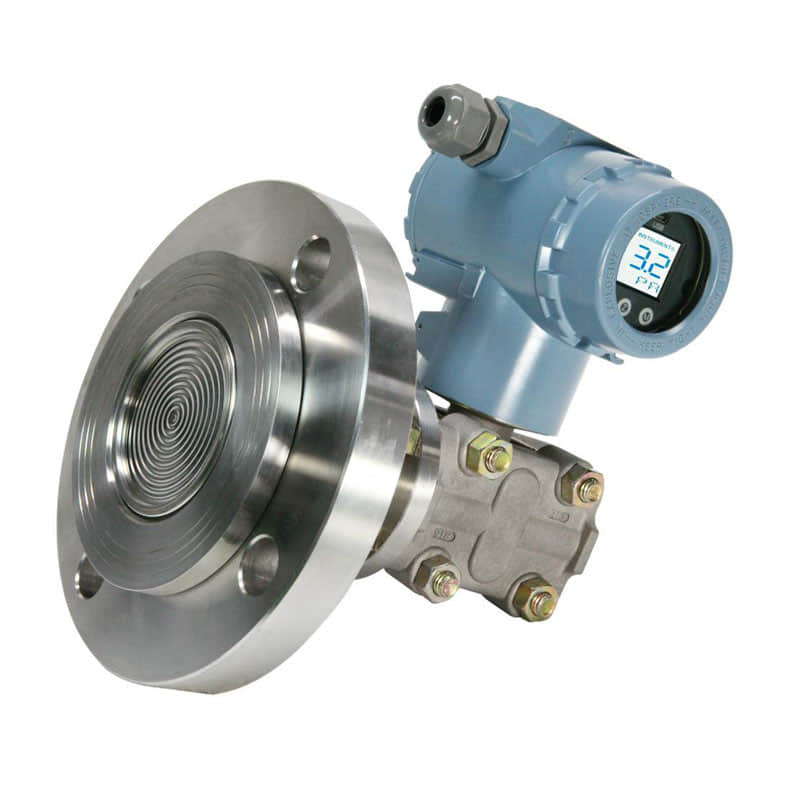
Submersible level instruments are specialized devices designed to measure the liquid level within deep tanks or wells by being fully immersed in the medium. These instruments typically use hydrostatic pressure sensing technology, converting the pressure exerted by the liquid column above the sensor into an electrical signal, which is then interpreted as a level reading.
Hongguang Instrument’s submersible level transmitters are engineered to withstand the demanding conditions of deep tanks, including high pressure, corrosive environments, and wide temperature ranges. This makes them ideal for both industrial and municipal applications where precision and durability are paramount.
Key Features of Submersible Level Instruments
- High Accuracy: Advanced sensors provide precise level readings, even in deep and turbulent tanks.
- Robust Construction: Materials such as stainless steel and specialized polymers ensure longevity and chemical resistance.
- Easy Installation: Simple drop-in design eliminates the need for complex mounting hardware.
- Low Maintenance: Sealed construction prevents ingress of liquids and contaminants, reducing maintenance needs.
- Versatile Output Options: Compatibility with common industrial protocols (4-20mA, HART, RS485, etc.).
Advantages of Deep Tank Monitoring with Submersible Instruments
Deep tanks present unique challenges for level measurement, such as increased hydrostatic pressure, limited access, and the potential for aggressive chemicals or temperature extremes. Submersible level instruments from Hongguang Instrument are specifically designed to address these challenges, delivering several key benefits:
1. Enhanced Measurement Reliability
Unlike float-based or radar systems that can be affected by turbulence, foam, or vapor, submersible level transmitters provide direct hydrostatic measurement. This ensures consistent and accurate readings regardless of surface conditions. Hongguang Instrument’s sensors are factory-calibrated and tested for long-term stability, minimizing drift and false readings.
2. Simplified Installation and Integration
Installing a submersible level sensor is straightforward: simply lower the sensor into the tank to the desired depth and connect the output to your monitoring system. This plug-and-play approach reduces downtime and installation costs. Hongguang Instrument offers a range of cable lengths and sensor configurations to suit various tank geometries and depths.
3. Durability in Harsh Environments
Deep tanks often contain aggressive chemicals, sludge, or high-temperature liquids. Hongguang Instrument’s submersible transmitters are constructed from corrosion-resistant materials and feature hermetically sealed electronics, ensuring reliable operation even in the harshest conditions.
4. Cost Efficiency Over Time
While the initial investment in submersible level instruments may be higher than some traditional alternatives, their low maintenance requirements and long service life translate to lower total cost of ownership. Reduced need for recalibration and minimal downtime mean more efficient operations and fewer unexpected expenses.
Industry Applications and Trends
The demand for accurate deep tank monitoring solutions is growing across multiple industries. In the oil and gas sector, submersible level transmitters are used to monitor crude oil storage, wastewater, and chemical injection tanks. In municipal water treatment, these instruments help maintain optimal water levels in reservoirs and prevent overflow or dry running of pumps.
The rise of industrial automation and the integration of smart sensors into SCADA and IoT platforms have further increased the value of submersible level instruments. Hongguang Instrument’s products are compatible with digital communication protocols, enabling remote monitoring, predictive maintenance, and real-time data analytics. This is particularly important in large-scale facilities where manual inspection is impractical.
Industry Challenges and Innovations
- Increasing Regulatory Requirements: Environmental regulations demand accurate and reliable level measurement to prevent spills and ensure compliance.
- Remote Operations: With more facilities operating in remote or hazardous locations, robust and autonomous level monitoring is essential.
- Data-Driven Decision Making: Integration with cloud-based analytics platforms allows for trend analysis and proactive maintenance.
Hongguang Instrument remains at the forefront of industry innovation, continuously developing new materials and sensor technologies to meet evolving customer needs. Their commitment to quality and customer support has made them a trusted partner for leading enterprises worldwide.
Comparing Submersible Level Instruments with Other Technologies
While submersible level transmitters offer significant advantages, it’s important to consider how they compare to other popular level measurement technologies such as ultrasonic, radar, and float-based systems.
| Technology | Vantagens | Limitations |
|---|---|---|
| Submersible Level Transmitter | High accuracy, direct measurement, robust, suitable for deep tanks | Requires immersion, may need periodic cleaning in dirty environments |
| Ultrasonic Level Sensor | Non-contact, easy to install, suitable for clean liquids | Affected by foam, vapor, and turbulence |
| Radar Level Sensor | Non-contact, works in high-pressure/high-temperature | Expensive, may require complex calibration |
| Float-Based Level Switch | Simple, low cost | Mechanical wear, limited accuracy, not suited for deep tanks |
For deep tank applications, submersible level transmitters from Hongguang Instrument offer the best balance of performance, durability, and ease of use.
Future Trends: Smart Monitoring and Digital Integration
With the ongoing digital transformation in process industries, the future of deep tank monitoring lies in smart, connected devices. Hongguang Instrument is investing in digital pressure transmitters and advanced connectivity options to enable predictive analytics and remote diagnostics. These innovations help reduce unplanned downtime and optimize resource allocation.
As more facilities adopt Industry 4.0 practices, the ability to integrate submersible level sensors into centralized control systems becomes a competitive advantage. Real-time monitoring, automated alerts, and historical data tracking are now standard expectations, and Hongguang Instrument’s solutions are designed to meet these demands.
Conclusion: Why Choose Hongguang Instrument?
For organizations seeking reliable, accurate, and durable deep tank monitoring solutions, submersible level instruments from Hongguang Instrument represent a smart investment. Their proven track record, commitment to innovation, and comprehensive support make them a preferred choice across industries.
Whether you are upgrading an existing facility or designing a new process from the ground up, Hongguang Instrument’s expertise in submersible level technology ensures optimal performance and peace of mind. As industries continue to evolve, partnering with a trusted supplier like Hongguang Instrument is the key to maintaining operational excellence and staying ahead in a competitive market.