

Accurate level measurement is crucial in various industries, from water treatment plants to chemical processing facilities. The precise monitoring of liquid levels ensures operational efficiency, safety, and quality control. At Hongguang Instrument Factory, a leader in manufacturing advanced measurement instruments, two popular solutions are the Ultrasonic Level Transmitter and traditional Level Instruments. This article explores the differences between these technologies and outlines best practices for their effective use.
Understanding the Technologies
Ultrasonic Level Transmitter
An Ultrasonic Level Transmitter uses high-frequency sound waves to measure the distance between the sensor and the surface of the liquid. The transmitter emits an ultrasonic pulse that travels through the air and reflects back from the liquid surface. The time it takes for the echo to return is converted into a distance measurement, providing accurate level readings.
Traditional Level Instruments
Traditional level instruments encompass a variety of devices, including float-operated systems, conductive level sensors, and capacitive sensors. These instruments rely on physical properties like buoyancy, electrical conductivity, or capacitance changes to detect and measure liquid levels.

Key Differences
- Measurement Principle
- Ultrasonic Level Transmitter
Non-contact measurement based on the speed of sound. - Traditional Level Instruments
Can be either contact or non-contact, depending on the type. Contact methods involve direct interaction with the liquid.
- Ultrasonic Level Transmitter
- Suitability for Different Environments
- Ultrasonic Level Transmitter
Ideal for applications where non-contact measurement is essential, such as in corrosive or hazardous environments. It is also effective in open channels or areas with turbulent surfaces. - Traditional Level Instruments
More versatile but may require specific conditions, such as conductive liquids for conductive sensors or non-viscous fluids for float systems.
- Ultrasonic Level Transmitter
- Installation and Maintenance
- Ultrasonic Level Transmitter
Generally easier to install with minimal intrusion into the tank or vessel. However, it requires regular calibration and maintenance to ensure accuracy, especially in dusty or steamy environments. - Traditional Level Instruments
Installation can be more complex, particularly for contact-based systems. Maintenance varies widely depending on the type but often involves checking for wear and tear or sensor fouling.
- Ultrasonic Level Transmitter

Best Practices for Measurement
- Choosing the Right Instrument
- Consider the specific application and environment. For instance, ultrasonic transmitters are preferable in corrosive or hazardous areas, while traditional instruments might be better for high-temperature or pressure environments.
- Evaluate the medium’s properties, such as viscosity, density, and conductivity, which can impact measurement accuracy.
- Proper Installation
- Ensure that the ultrasonic transmitter is installed at the correct height and angle, free from obstructions that could interfere with the ultrasonic signal.
- For traditional instruments, secure installation is critical, especially for float systems, to prevent mechanical failures.
- Regular Calibration and Maintenance
- Schedule routine calibration checks for both ultrasonic and traditional level instruments to maintain accuracy. Calibration should be done using the specific medium in use, as different liquids can affect readings.
- Clean sensors and transducers regularly to prevent fouling, which can lead to erroneous measurements.
- Data Integration and Monitoring
- Integrate level measurement instruments with data logging and control systems for real-time monitoring. This integration allows for prompt detection of anomalies, such as unexpected level changes that could indicate leaks or process issues.
- Use analytics tools to interpret the data, helping optimize process controls and maintain operational efficiency.
- Safety and Compliance
- Ensure that all equipment meets industry standards and regulatory requirements. This is especially crucial in industries dealing with hazardous materials where accurate level measurement can prevent spills and accidents.
- Implement safety protocols, such as alarm systems triggered by abnormal level readings, to mitigate risks.
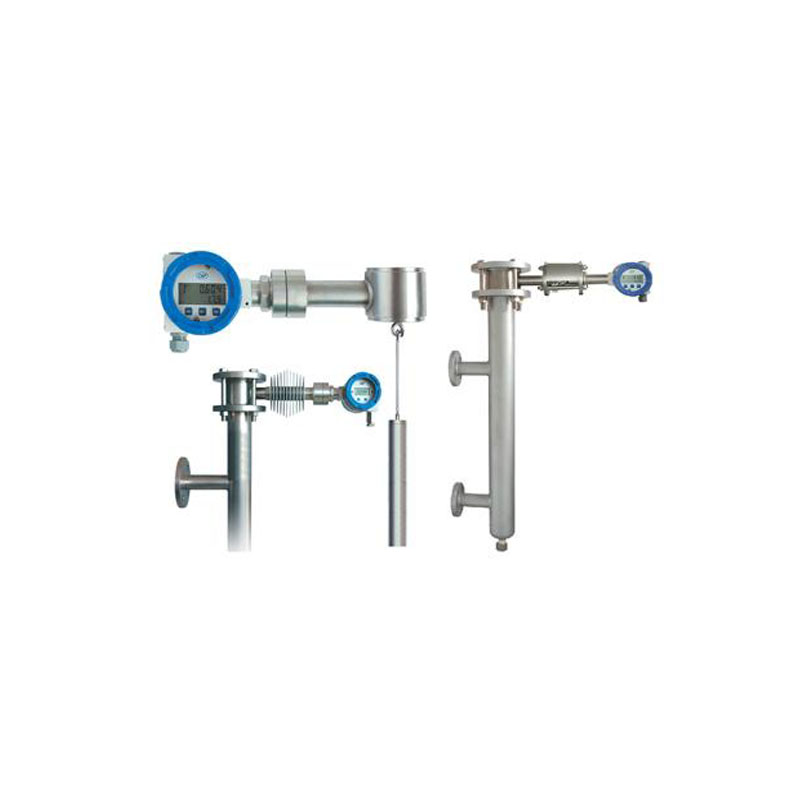
Conclusion of Ultrasonic Level Transmitter vs Level Instrument
At Hongguang Instrument Factory, the selection between an Ultrasonic Level Transmitter and traditional Level Instruments depends on the specific requirements of each application. Both technologies offer distinct advantages, with ultrasonic transmitters excelling in non-contact, challenging environments, and traditional instruments providing versatility across various media.
By following best practices in selection, installation, maintenance, and monitoring, industries can achieve precise level measurements, ensuring safety, efficiency, and compliance. Whether dealing with water, chemicals, or other liquids, Hongguang Instrument Factory provides reliable solutions to meet diverse measurement needs.