
Water flow meter is an instrument used to measure the flow rate of water in a pipe or system. It is commonly used in various industries such as water treatment, irrigation, and plumbing, to monitor and control the amount of water being utilized.
A water flow meter typically consists of a sensor, a transmitter, and a display unit. The sensor is placed in the water flow path and measures the velocity of the water, which is then converted into an electrical signal. The transmitter then amplifies and transmits this signal to the display unit, where it is converted into a readable flow rate value.
Different types of water flow meters are available, such as electromagnetic, ultrasonic, and turbine. Each type has its own advantages and is suitable for different applications. For instance, electromagnetic flow meters are ideal for measuring clean water flow, while ultrasonic flow meters are suitable for dirty water or slurry applications.
Water flow meters are essential for monitoring water usage and ensuring efficient and optimal operation of systems. They can also help identify potential leaks or problems in the water distribution system, saving both water and money.

O nosso medidor de caudal económico é a solução perfeita para uma gestão eficiente dos fluidos. Com as suas medições precisas e fiáveis, permite-lhe monitorizar e controlar facilmente o fluxo de fluidos no seu sistema. Isto não só maximiza a produtividade como também reduz os custos de energia e manutenção. A sua interface de fácil utilização e instalação simples tornam-no numa adição sem complicações ao seu sistema. Escolha o nosso medidor de caudal e experimente uma gestão de fluidos perfeita e económica.
A nossa empresa orgulha-se de apresentar o nosso mais recente produto - um medidor de caudal inovador e não intrusivo que está a revolucionar a indústria. Ao contrário dos medidores de caudal tradicionais que requerem processos de instalação complicados e demorados, o nosso medidor de caudal não intrusivo é incrivelmente fácil de instalar. Isto é possível graças ao seu design não-intrusivo, que elimina a necessidade de cortar tubagens ou interromper operações. O resultado é uma experiência de instalação perfeita e sem complicações. O nosso medidor de caudal também possui uma elevada exatidão e precisão, garantindo medições de caudal fiáveis e precisas sem qualquer perturbação das suas operações. Com o nosso medidor de caudal não intrusivo, estamos a mudar o jogo e a estabelecer um novo padrão de facilidade de instalação e funcionalidade.

O medidor de caudal de água é um instrumento de medição utilizado para quantificar o movimento da água através de uma conduta ou sistema. Este dispositivo desempenha um papel crucial em vários sectores, incluindo o tratamento de água, a irrigação e os serviços públicos. Ao medir com precisão o volume ou a taxa de fluxo de água, ajuda a monitorizar e controlar a utilização e a distribuição da água. Com os avanços contínuos da tecnologia, os medidores de caudal de água evoluíram dos tradicionais dispositivos mecânicos para os modernos medidores electrónicos e digitais, proporcionando medições ainda mais precisas e fiáveis. Neste relatório, discutiremos os diferentes tipos de caudalímetros de água e as suas aplicações, bem como os benefícios que oferecem para uma gestão eficiente da água.
2.Can a water flow meter measure both volume and flow rate?
3.What is the recommended installation location for a water flow meter?
4.Are there different types of water flow meters available in the market?
5.Do water flow meters require regular maintenance?
6.Can a water flow meter be used for industrial and residential purposes?
7.What types of materials are used to make water flow meters?
8.How does a water flow meter help with water conservation efforts?
9.What are the benefits of using a wireless water flow meter?
10.What are the main components of a water flow meter?
1.How does a digital water flow meter differ from a mechanical one?
A digital water flow meter uses electronic sensors and a digital display to measure and display the flow rate of water, while a mechanical water flow meter uses mechanical components such as gears and turbines to measure and display the flow rate.
Some key differences between the two types of meters include:
1. Accuracy: Digital water flow meters are generally more accurate than mechanical ones. This is because they use electronic sensors that can measure flow rate more precisely, while mechanical meters may be affected by wear and tear over time.
2. Display: Digital water flow meters have a digital display that shows the flow rate in real-time, while mechanical meters typically have a dial or counter that needs to be read manually.
3. Ease of use: Digital water flow meters are easier to use as they require minimal maintenance and do not need to be calibrated regularly like mechanical meters.
4. Data recording: Digital water flow meters can record and store data, allowing for easier tracking and analysis of water usage over time. Mechanical meters do not have this capability.
5. Cost: Digital water flow meters are generally more expensive than mechanical ones due to their advanced technology and features.
6. Compatibility: Digital water flow meters can be integrated with other digital systems and devices, such as smart home systems or water management software, while mechanical meters cannot.
Overall, digital water flow meters offer more advanced features and capabilities compared to mechanical meters, making them a more popular choice for modern water management systems.
2.Can a water flow meter measure both volume and flow rate?
Sim, um medidor de caudal de água pode medir tanto o volume como o caudal. O volume é a quantidade total de água que passou pelo medidor, enquanto o caudal é a taxa a que a água está a passar pelo medidor. Alguns caudalímetros de água têm a capacidade de apresentar simultaneamente o volume e o caudal, enquanto outros podem exigir cálculos manuais para determinar um ou outro.

3.What is the recommended installation location for a water flow meter?
The recommended installation location for a water flow meter is typically on the main water supply line, after the water meter and before any branches or splits in the line. This allows for accurate measurement of the total water flow entering a building or property. It is also important to ensure that the flow meter is easily accessible for maintenance and reading.
4.Are there different types of water flow meters available in the market?
Yes, there are several types of water flow meters available in the market, including:
1. Mechanical flow meters: These meters use mechanical components such as gears, pistons, or turbines to measure the flow of water.
2. Ultrasonic flow meters: These meters use ultrasonic waves to measure the velocity of water flow.
3. Magnetic flow meters: These meters use a magnetic field to measure the flow of conductive liquids such as water.
4. Vortex flow meters: These meters use the principle of vortex shedding to measure the flow of water.
5. Differential pressure flow meters: These meters measure the pressure difference across an obstruction in the flow of water.
6. Turbine flow meters: These meters use a turbine to measure the flow of water.
7. Coriolis flow meters: These meters use the Coriolis effect to measure the mass flow rate of water.
8. Positive displacement flow meters: These meters measure the volume of water passing through by counting the number of times a chamber is filled and emptied.
9. Electromagnetic flow meters: These meters use Faraday’s law of electromagnetic induction to measure the flow of conductive liquids such as water.
10. Thermal mass flow meters: These meters measure the mass flow rate of water by using the heat transfer principle.
11. Open channel flow meters: These meters are used to measure the flow of water in open channels such as rivers, canals, and streams.
12. Insertion flow meters: These meters are inserted into a pipe to measure the flow of water.
13. Clamp-on flow meters: These meters use ultrasonic waves to measure the flow of water without the need for cutting into the pipe.
14. Smart flow meters: These meters use advanced technology such as wireless communication and data logging to provide real-time flow data.

5.Do water flow meters require regular maintenance?
Sim, os medidores de caudal de água requerem manutenção regular para garantir leituras exactas e um funcionamento adequado. Isto pode incluir limpeza, calibração e substituição de peças gastas ou danificadas. A frequência da manutenção dependerá do tipo de caudalímetro e das condições em que é utilizado. Recomenda-se que se sigam as directrizes do fabricante para a manutenção e que se programem inspecções regulares por um profissional qualificado.
6.Can a water flow meter be used for industrial and residential purposes?
Sim, um medidor de caudal de água pode ser utilizado tanto para fins industriais como residenciais. Em ambientes industriais, os medidores de caudal de água são normalmente utilizados para medir o caudal de água em vários processos e sistemas, tais como sistemas de arrefecimento, caldeiras e sistemas de irrigação. Em ambientes residenciais, os medidores de caudal de água são utilizados para medir a quantidade de água utilizada pelos agregados familiares para efeitos de faturação e para detetar fugas. Também podem ser utilizados para monitorizar o consumo de água para fins de conservação.
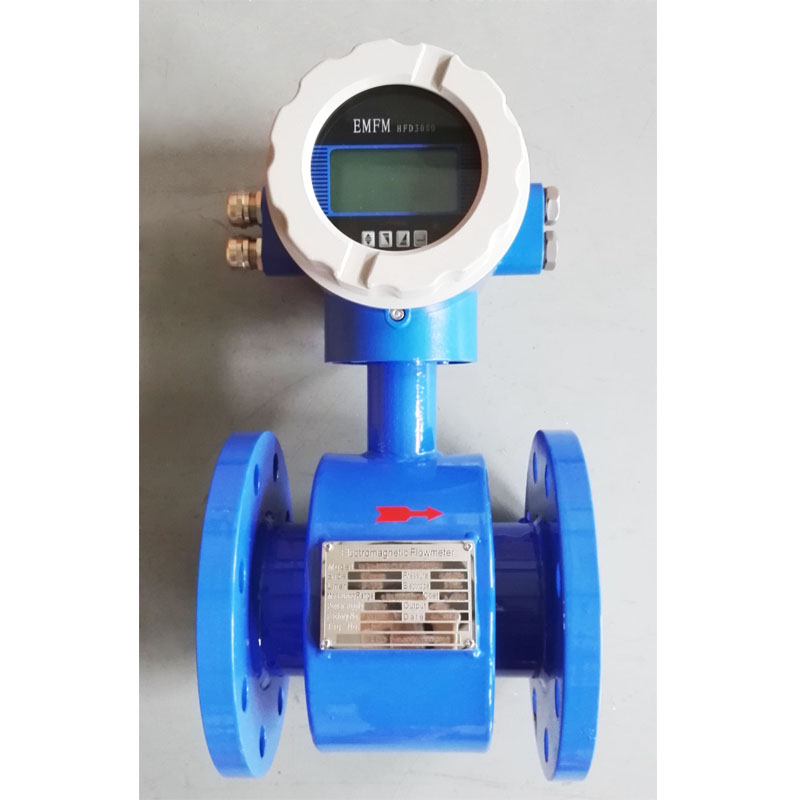
7.What types of materials are used to make water flow meters?
1. Metais: Os metais habitualmente utilizados nos caudalímetros de água incluem o aço inoxidável, o latão e o alumínio. Estes materiais são duráveis, resistentes à corrosão e podem suportar pressões e temperaturas elevadas.
2. Plásticos: Os termoplásticos, como o PVC, o polipropileno e o nylon, são também utilizados nos caudalímetros de água. São leves, económicos e resistentes a produtos químicos e à corrosão.
3. Cerâmica: Os materiais cerâmicos, como a alumina e a zircónia, são utilizados em alguns caudalímetros de água especializados. Têm uma excelente resistência ao desgaste e podem suportar temperaturas e pressões elevadas.
4. Vidro: O vidro é utilizado em alguns medidores de caudal devido à sua transparência, permitindo a inspeção visual do caudal. Também é resistente à corrosão e pode suportar altas temperaturas.
5. Borracha e elastómeros: Estes materiais são utilizados na construção de medidores de caudal para assegurar a vedação entre diferentes componentes e para proteger contra vibrações e choques.
6. Materiais magnéticos: Alguns caudalímetros utilizam materiais magnéticos como o neodímio ou o samário-cobalto para medir o caudal de líquidos condutores. Estes materiais são altamente sensíveis a alterações nos campos magnéticos.
7. Materiais ultra-sónicos: Os medidores de caudal ultra-sónicos utilizam materiais como cristais piezoeléctricos ou cerâmicas para gerar e receber sinais ultra-sónicos para medir o caudal de líquidos.
8. Compósitos: Alguns medidores de caudal utilizam materiais compósitos, que são uma combinação de dois ou mais materiais, para proporcionar um equilíbrio de propriedades como a resistência, a durabilidade e a resistência à corrosão.
9. Borracha e elastómeros: Estes materiais são utilizados na construção de medidores de caudal para assegurar a vedação entre diferentes componentes e para proteger contra vibrações e choques.
10. Componentes electrónicos: Os caudalímetros modernos podem também conter componentes electrónicos, tais como sensores, transmissores e ecrãs, que são normalmente feitos de materiais como o silício, o cobre e o plástico.
8.How does a water flow meter help with water conservation efforts?
A water flow meter is a device that measures the amount of water flowing through a pipe or system. It can help with water conservation efforts in the following ways:
1. Detecting leaks: A water flow meter can detect even small leaks in a system, which can lead to significant water waste over time. By identifying and repairing leaks, water flow meters can help conserve water and prevent unnecessary water loss.
2. Monitoring water usage: Water flow meters can track the amount of water being used in a household or building. This information can help individuals and organizations identify areas where water is being used excessively and make changes to reduce consumption.
3. Setting usage targets: With the data provided by a water flow meter, individuals and organizations can set specific targets for water usage. This can help promote more mindful and efficient water use, leading to conservation efforts.
4. Identifying inefficient appliances: Water flow meters can also help identify appliances or fixtures that are using excessive amounts of water. By replacing these with more efficient options, water consumption can be reduced, leading to conservation efforts.
5. Encouraging responsible water use: By providing real-time data on water usage, water flow meters can encourage individuals and organizations to be more mindful of their water consumption. This can lead to more responsible water use and conservation efforts.
Overall, water flow meters play a crucial role in water conservation efforts by providing valuable data and promoting responsible water use.

9.What are the benefits of using a wireless water flow meter?
1. Fácil instalação: Os medidores de caudal de água sem fios não requerem qualquer cablagem ou perfuração, o que os torna fáceis de instalar e configurar. Isto poupa tempo e esforço em comparação com os medidores tradicionais com fios.
2. Monitorização remota: Com os medidores de caudal de água sem fios, pode monitorizar o seu consumo de água à distância, a partir de qualquer lugar, utilizando um computador ou um dispositivo móvel. Isto permite-lhe acompanhar o seu consumo de água e detetar quaisquer fugas ou anomalias em tempo real.
3. Económicos: Os medidores de caudal de água sem fios eliminam a necessidade de leitura manual do contador, reduzindo os custos de mão de obra e os potenciais erros humanos. Também ajudam a identificar e a reparar fugas rapidamente, poupando-lhe dinheiro nas facturas de água.
4. Leituras exactas: Os medidores de caudal de água sem fios utilizam tecnologia avançada para fornecer leituras exactas e precisas do caudal de água. Isto ajuda a gerir melhor a utilização da água e os esforços de conservação.
5. Alertas em tempo real: Alguns medidores de caudal de água sem fios têm a função de enviar alertas em tempo real em caso de utilização anormal da água ou de fugas. Isto permite que sejam tomadas medidas imediatas, evitando quaisquer danos ou desperdícios potenciais.
6. Fácil gestão de dados: Os caudalímetros de água sem fios são fornecidos com software que permite uma fácil gestão e análise de dados. Isto ajuda a identificar padrões e tendências na utilização da água, o que pode ajudar a tomar decisões informadas para a conservação da água.
7. Compatibilidade: Os medidores de caudal de água sem fios são compatíveis com vários tipos de tubagens e podem ser utilizados tanto em aplicações residenciais como comerciais. Podem também ser integrados noutros sistemas domésticos inteligentes para uma monitorização e um controlo mais abrangentes.
8. Eficiência energética: Ao medir com precisão o caudal de água, os medidores de caudal de água sem fios podem ajudar a otimizar a utilização de energia para bombas de água e outros equipamentos, conduzindo a poupanças de energia e à redução dos custos dos serviços públicos.
10.What are the main components of a water flow meter?
1. Sensor: The sensor is the main component of a water flow meter that measures the flow rate of water passing through it. There are different types of sensors used in water flow meters, such as electromagnetic, ultrasonic, turbine, and paddlewheel.
2. Transmitter: The transmitter is responsible for converting the signal from the sensor into a readable format, such as digital or analog, and transmitting it to the display or data collection system.
3. Display: The display is the interface that shows the flow rate and other relevant information, such as total volume, temperature, and pressure. It can be a simple LCD screen or a more advanced touchscreen display.
4. Data Logger: Some water flow meters come with a data logger, which records and stores the flow data for future analysis and monitoring.
5. Power Supply: Water flow meters require a power source to operate. They can be powered by batteries, AC power, or solar power, depending on the type and application.
6. Housing: The housing is the outer casing of the water flow meter that protects the internal components from environmental factors, such as water, dust, and temperature.
7. Connectors and Fittings: These components are used to connect the water flow meter to the pipeline or plumbing system. They ensure a secure and leak-free connection.
8. Mounting Hardware: Mounting hardware, such as brackets and clamps, are used to install the water flow meter in a fixed position.
9. Calibration Equipment: Water flow meters need to be calibrated regularly to ensure accurate measurements. Calibration equipment, such as flow calibrators, are used to adjust and verify the accuracy of the flow meter.
10. Accessories: Some water flow meters may come with additional accessories, such as flow switches, alarms, and communication modules, to enhance their functionality and performance.
