

The article provides an in-depth look at the manufacturing and heat treatment of Bourdon tubes, which are essential components in differential pressure gauges. It highlights the expertise of Jiangsu Hongguang Instrument Factory Co., Ltd., a state-owned enterprise founded in 1972 with ISO and SIL certifications. The content covers material selection, bending, welding, and precise heat treatment processes such as stress-relief annealing, quenching and tempering, and precipitation hardening. The factory uses advanced vacuum furnaces and CNC machines while preserving craftsmanship. Quality control is rigorous, with testing for elasticity, leak-tightness, and pressure cycles. Bourdon tube gauges are applied across industries including petroleum, chemical, power generation, and water treatment. The article also discusses integrated products like multi-variable differential pressure transmitters and flow meters, and emphasizes the company’s commitment to sustainability and innovation. Future trends include smart transmitters and nano-materials. Overall, the article underscores the critical role of heat treatment in ensuring accuracy, durability, and safety of pressure instruments, positioning Hongguang Instrument as a trusted provider globally.
In the realm of industrial process control, few instruments are as vital as the differential pressure gauge. It measures the difference in pressure between two points, enabling precise monitoring of flow, level, and filtration systems. Central to the reliability and accuracy of these gauges is a simple yet ingenious component: the Bourdon tube. Named after French engineer Eugène Bourdon, this curved or coiled tube flattens when pressurized, creating motion that is translated into a pressure reading on a dial. The manufacturing and heat treatment of Bourdon tubes are critical arts that determine whether a gauge performs flawlessly or fails prematurely. This article delves deep into the factory floor of Jiangsu Hongguang Instrument Factory Co., Ltd., a distinguished enterprise with over five decades of expertise, to explore the intricate processes behind Bourdon tube production and the metallurgical science that makes them exceptional.
The Legacy of Jiangsu Hongguang Instrument Factory Co., Ltd.
Founded in 1972, Jiangsu Hongguang Instrument Factory Co., Ltd. has grown from a modest workshop into a leading manufacturer of industrial automation instruments and process control equipment. As a state-owned enterprise and a subsidiary of the prestigious SUYI Group, the company has built a reputation grounded in precision, reliability, and innovation. With more than fifty years of experience, Hongguang Instrument serves a broad spectrum of industries, including petroleum, chemical, papermaking, water treatment, food processing, power generation, and steelmaking. The company provides nine categories of products—covering flow, pressure, level, temperature, valves, calibrators, recorders, analyzers, and switches—all designed to meet the rigorous demands of modern industrial environments.
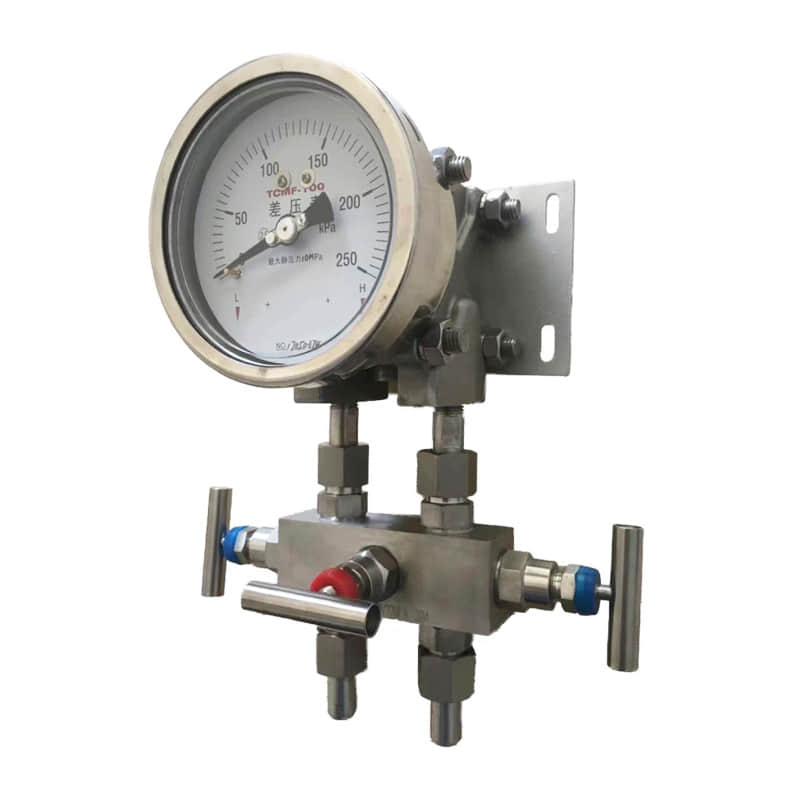
One of the key strengths of Jiangsu Hongguang lies in its deep understanding of pressure measurement technology. The company produces a wide array of pressure instruments, including standard pressure transmitters and multi-variable differential pressure flow transmitters. These products are widely used in chemical plants, refineries, and power stations. However, at the heart of many of these instruments is the humble Bourdon tube, and it is in the precision manufacturing and heat treatment of these tubes that Hongguang Instrument truly excels.
The Bourdon Tube: A Scientific Marvel
The Bourdon tube is a pressure-sensitive element typically manufactured from materials such as phosphorus bronze, beryllium copper, Monel, or various grades of stainless steel. The choice of material depends on the intended application, pressure range, and the medium being measured. The tube is formed into a curve of approximately 250 degrees. When internal pressure increases, the tube tends to straighten due to the difference in surface area between the inner and outer walls. This mechanical deflection is then transmitted via a mechanical linkage to a gear train and finally to a pointer on a dial face. The precision of this deflection is directly related to the elasticity and stability of the tube material.
To achieve optimal performance, the tube must exhibit excellent elastic properties, a high elastic limit, and low hysteresis. This is where heat treatment becomes indispensable. By manipulating the metallurgical structure through controlled heating and cooling cycles, manufacturers can tailor the mechanical characteristics of the Bourdon tube to maximize its accuracy and fatigue resistance. Without proper heat treatment, the tube would be susceptible to permanent deformation, drift, and premature failure—issues that are unacceptable in critical industrial processes.
Step-by-Step Manufacturing Process
The production of a high-quality Bourdon tube is a meticulous journey that involves multiple stages, each demanding precision and strict quality control. Below is a detailed breakdown of the processes employed at Hongguang Instrument.
Raw Material Selection and Inspection
Everything begins with the selection of high-grade metallic alloys. For standard applications, strong, corrosion-resistant materials such as 316L stainless steel are preferred. For special environments, exotic alloys like Hastelloy or Monel are used. Each batch of raw material is subjected to rigorous chemical composition analysis using spectrometry. Dimensional checks and surface quality inspections ensure that any flaws are caught before they affect downstream processes.
Cutting and Preparing the Tube Blanks
Once the raw tubing is approved, it is cut to precise lengths using high-precision saws or laser cutters. The ends of the tube are then deburred and cleaned to remove any metal shavings or contaminants. This preparation is essential to ensure cleanliness during subsequent forming and welding steps.
Bending and Forming the Curve
The straight tube is next subjected to a controlled bending process. At Hongguang Instrument, CNC bending machines are used to create the desired radius and arc angle with excellent repeatability. The bend radius and the total angle are critical to the sensitivity of the gauge. During bending, care must be taken to avoid kinking or wrinkling. The tube may be filled with a special mandrel or a low-melting-point alloy to support the walls internally while bending, preventing distortion.
Flattening the Cross-Section
One of the defining features of a Bourdon tube is its elliptical or flattened cross-section. This shape amplifies the deflection effect. The bending process alone may produce a circular cross-section; therefore, after bending, the tube is often passed through a series of flattening rollers or pressed with specialized dies. This step must be uniform so that the wall thickness on the inner and outer radii remains consistent, ensuring predictable stress distribution when pressurized.
End Forming and Welding
The ends of the Bourdon tube need to be closed and connected to pressure fittings or capillary tubes. This is achieved through precise welding techniques, such as TIG (Tungsten Inert Gas) welding or laser beam welding. The welds must be full-penetration, leak-tight, and free of porosity. Qualified welders carry out these operations under controlled atmospheres to prevent oxidation. After welding, the connections are often annealed locally to relieve residual stresses introduced by the welding heat.
Heat Treatment
This is the heart of the manufacturing process and deserves the dedicated section below.
Calibration and Adjustment
After heat treatment, the Bourdon tube is assembled into the gauge mechanism. The tube is pressurized with a reference pressure, and the pointer is adjusted to indicate the correct value. This calibration process is repeated across multiple points to ensure linearity and accuracy. For differential pressure gauges, both pressure chambers are tested, and the differential characteristic is verified.
Final Testing and Inspection
Every Bourdon tube must pass a battery of tests, including hydrostatic pressure tests to verify its burst strength, helium leak tests for hermeticity, and cycling tests to simulate real-world usage. Dimensional measurements using coordinate measuring machines (CMM) ensure that all critical features fall within tolerance. Only after these tests are passed can the tube be cleared for assembly into a differential pressure gauge.

Heat Treatment: The Metallurgical Core
Heat treatment is the process of heating a metal to a specific temperature, holding it there for a set duration, and then cooling it at a controlled rate. For Bourdon tubes, the primary objectives of heat treatment are threefold: (1) to relieve residual stresses introduced during forming and bending, (2) to harden and strengthen the material, and (3) to refine the microstructure to achieve consistent elastic behavior. Different materials require different heat treatment recipes. Let us explore the primary processes used by Jiangsu Hongguang.
Stress Relief Annealing
When a metal tube is cold-formed, the mechanical deformation creates localized internal stresses. These stresses, if left unrelieved, can cause the tube to distort unpredictably when pressurized. Stress relief annealing involves heating the component to a temperature below the recrystallization point (typically 500°C–600°C for steel and around 300°C–400°C for copper alloys), holding it for a period, and then slowly cooling it. This process reduces residual stress while retaining the mechanical strength gained from cold working.
Full Annealing
For some materials, especially those that will undergo further machining or severe forming, a full annealing treatment is applied. The tube is heated to a high temperature—about 900°C for steel—and then cooled very slowly in the furnace. This produces a soft, ductile structure that is easier to shape. However, full annealing reduces strength, so it is often followed by other treatments to restore mechanical properties.
Quenching and Tempering
To achieve high hardness and wear resistance in stainless steel or alloy steel tubes, the material is first quenched by heating to an austenitizing temperature (around 950°C–1050°C) and then rapidly cooling it in water or oil. This transforms the microstructure into hard martensite. Quenching alone leaves the metal extremely brittle, so a tempering step follows. Tempering involves reheating the quenched steel to a lower temperature (200°C–400°C) and holding it for a specific time. Tempering reduces brittleness, improves ductility, and allows the control of final hardness and elasticity. For Bourdon tubes, the desired tempering temperature is selected to yield an elastic modulus that ensures repeatable deflection without permanent set.
Aging or Precipitation Hardening
For alloys like beryllium copper and some nickel-based superalloys, precipitation hardening is the preferred method. The material is first solution annealed at a high temperature to dissolve the alloying elements into a solid solution. It is then rapidly cooled (quenched) to trap those elements in a supersaturated state. Finally, it is aged at an intermediate temperature (e.g., 300°C–500°C) for several hours. During aging, fine precipitates form, dramatically increasing strength and hardness. This process yields Bourdon tubes with exceptional fatigue resistance, making them ideal for high-cycle applications.
Vacuum Heat Treatment and Controlled Atmosphere
To prevent surface oxidation and contamination, many heat treatment steps at Hongguang Instrument are performed in vacuum furnaces or in a controlled inert gas atmosphere (e.g., argon or nitrogen). This is particularly critical for stainless steel and titanium alloys, which can degrade in the presence of oxygen at high temperatures. Vacuum processing also offers precise temperature uniformity, which is essential for consistent results across a batch of tubes.
Equipment and Capabilities
Jiangsu Hongguang Instrument Factory has invested in state-of-the-art heat treatment equipment, including:
- Vacuum furnace with a temperature accuracy of ±5°C and uniform heating zone.
- Continuous belt furnace for stress relief of smaller components.
- Induction hardening stations for localized treatment.
- Digital temperature controllers with programmable recipes.
- Hardness testers, metallurgical microscopes, and ruggedized data loggers to monitor every cycle.
Every heat treatment batch is accompanied by a process log. Time, temperature, heating rate, soaking time, and cooling rate are recorded. These records allow full traceability, which is a core requirement for quality management systems.
Quality Control and Certifications
Quality is the guardianship of customer trust. Jiangsu Hongguang has long adhered to international standards. The factory operates under ISO 9001:2015 for quality management, ISO 14001:2015 for environmental management, and ISO 45001:2018 for occupational health and safety. These certifications are audited by reputable third-party organizations such as the China Quality Mark Certification Group.
In addition, many of Hongguang’s products carry SIL (Safety Integrity Level) certificates awarded by Ente Certificazione Macchine. Among the SIL-certified products are the ultrasonic level meter, magnetic level indicator, electromagnetic flow meter, metal tube rotameter, radar level meter, pressure transmitter, temperature transmitter, and tuning fork level controller. These certifications verify that the instruments meet stringent functional safety requirements, which is particularly important in the chemical and petrochemical industries where failure can have catastrophic consequences.
The company itself is a certified measurement solutions provider for major state-owned enterprises in China, including CNPC, SINOPEC, GD Power Development Co., Ltd., China Huadian Corporation, China Huaneng Group, China Datang Corporation, and Shenhua Group. Moreover, over 70% of large iron and steel enterprises in China rely on Hongguang’s calibration and measurement systems. This extensive customer base is a strong testament to the reliability of the company’s manufacturing processes, especially in pressure instrumentation.
Applications of Bourdon Tube Differential Pressure Gauges
Bourdon tube-based differential pressure gauges are ubiquitous across industries. They are used to measure pressure drops across filters, strainers, and pumps, as well as liquid levels in pressurized tanks. Their robust construction makes them suitable for high-pressure and high-temperature applications.
In the oil and gas sector, differential pressure gauges monitor the clogging of wellhead filters and the performance of separator vessels. In chemical plants, they measure flow rates through orifice plates and the level in reactors. Even in HVAC systems, they help ensure that filters are functioning correctly. The versatility of the Bourdon tube makes it an engineer’s favorite.
Integration with Other Instruments
At Jiangsu Hongguang, the differential pressure gauge is not an isolated product; it is part of an integrated pressure measurement portfolio. For instance, the multi-variable differential pressure flow transmitter combines differential pressure sensing with temperature and absolute pressure inputs to provide compensated flow readings. By assembling with throttling devices such as V-cones, orifice plates, Verabar, nozzles, or Venturis, the transmitter can directly display instant flow rate and total flow in units like cubic meters (M3), tons, or million standard cubic feet per day (MMSCFD). This is widely used in custody transfer applications.
Hongguang also offers electromagnetic flow meters for measuring water flow in sewage treatment plants, pulp industries, and flocculating agent factories. Vortex flow meters are used for steam flow measurement in power plants and heating utilities. Thermal mass flow meters measure compressed air, natural gas, and biogas. Radar level meters and magnetic level indicators are deployed for liquid storage tanks, including water, oil, and chemicals. The magnetic level indicator can be configured with a level transmitter to provide an analog current signal, or with non-hold or hold-type level switches to implement level control or alarm. The wall-mounted Doppler open channel flow meter is utilized in sewage pipes and irrigation channels, using standard weirs or flumes like triangular weir, rectangular weir, or Parshall flume.
This synergy of products allows a customer to purchase a complete measurement solution from a single trusted source. The stability of these products saves after-service costs, as they are designed to operate reliably for extended periods, reducing downtime and maintenance.
Advanced Topics: Material Selection and Design
Choosing the right material for a Bourdon tube is not just about pressure rating. The chemical compatibility, temperature extremes, and intended cyclic life all play a role. The following table compares common Bourdon tube materials and their typical applications.
| Material | Maximum Pressure | Aplicações típicas |
|---|---|---|
| Phosphor Bronze | 1,000 bar | General industrial, low-cost, good corrosion resistance for non-acidic media |
| Beryllium Copper | 1,500 bar | High fatigue applications, instruments requiring high accuracy |
| 316L Stainless Steel | 2,500 bar | Corrosive media, high-temperature environments, sanitary applications |
| Monel 400 | 2,000 bar | Seawater, hydrofluoric acid, and other aggressive media |
| Hastelloy C-276 | 3,000 bar | Extreme corrosion resistance, chemical and petrochemical industries |
The wall thickness and cross-sectional shape are also crucial. A flatter tube produces a larger deflection but may have a shorter fatigue life. Conversely, a thicker wall increases the burst pressure but reduces sensitivity. Finite element analysis (FEA) is now routinely used to optimize these parameters. Hongguang Instrument employs advanced simulation software to predict the exact stress-strain behavior of its Bourdon tubes under various pressures. This reduces the need for physical prototypes and accelerates development.
The Human Factor and Expert Craftsmanship
Behind the machinery are the hands of skilled technicians. Many of the long-serving craftsmen at Hongguang Instrument have been with the company since its early years. They possess an intuitive understanding of the materials—just by observing the color of the heated metal, they can judge the precise temperature. This knowledge is passed down through generations and is augmented by modern training programs. The company places great emphasis on continuous learning and has established a comprehensive apprenticeship scheme. Even today, some of the most critical welding and bending operations are carried out by artisans who have honed their skills over decades.

Of course, technology enhances their capabilities. Robotic welding systems and CNC bending machines are operated by workers who understand both the machines and the metallurgy. This synergy of human expertise and modern automation is what guarantees the consistently high quality of the final product.
Environmental Considerations and Sustainability
Jiangsu Hongguang is not only concerned with product quality but also with the environmental impact of its manufacturing processes. The ISO 14001:2015 certification is a proof of the company’s commitment to reducing waste, emissions, and energy consumption. The heat treatment furnaces are equipped with energy-efficient burners and advanced insulation materials. Excess heat is recovered and used for facility heating. Water used in quenching is recycled and treated before discharge. As a result, the factory’s carbon footprint per unit of product has been reduced by more than 30% over the past decade.
Sustainability is also reflected in the product design. Differential pressure gauges manufactured by Hongguang are designed for long service life, which means fewer replacements and less resource consumption. The modular construction allows for component repair rather than whole-unit replacement, further extending the product’s useful life.
Future Trends in Pressure Measurement
The field of pressure measurement is evolving rapidly. The trend toward Industry 4.0 and the Internet of Things (IoT) has led to the development of smart pressure transmitters that can communicate wirelessly and self-diagnose their health. While the traditional Bourdon tube gauge remains an iconic and reliable instrument, it is increasingly being complemented by electronic transmitters. Hongguang Instrument is at the forefront of this integration, producing gauges with built-in communication modules that transmit the pressure reading to a central control room.
Nanotechnology is opening new possibilities in material science. Nano-structured alloys could offer even greater elasticity and fatigue resistance. Additionally, additive manufacturing (3D printing) is beginning to be used to create Bourdon tubes with complex internal geometries that were previously impossible. While these technologies are still in the research phase, Hongguang Instrument is actively participating in collaborative research with universities to ensure that the next generation of pressure sensors builds upon the strong foundation of mechanical Bourdon tube expertise.
In conclusion, the manufacturing and heat treatment of Bourdon tubes are processes that demand a delicate balance between art and science. Jiangsu Hongguang Instrument Factory Co., Ltd. has mastered this balance over fifty years of experience. From the selection of raw materials to the final calibration, every step is performed with an unwavering commitment to quality. It is this dedication that makes Hongguang’s differential pressure gauges a trusted choice in critical applications across the globe. As the company looks to the future, it continues to innovate while honoring the time-tested principles of precision engineering. Whether you are in the oil fields of the Middle East, the chemical plants of Europe, or the steel mills of China, there is a good chance that a Jiangsu Hongguang Bourdon tube is quietly at work, ensuring safe and accurate pressure measurement.
To learn more about Hongguang Instrument’s products, including pressure transmitters, flow meters, and calibrators, you can visit their official website or contact their technical sales team. Their experienced engineers are always ready to provide a measurement solution tailored to your specific process needs.
In the fast-changing world of industrial instrumentation, one thing remains constant: the necessity of reliable, accurate pressure measurement. Jiangsu Hongguang’s Bourdon tubes, with their meticulously controlled heat treatment, continue to meet that necessity day after day.
Glossary
Annealing
Heating metal and allowing it to cool slowly to soften it and remove internal stresses.
Quenching
Rapid cooling of hot metal to harden it.
Tempering
Reheating quenched metal to reduce brittleness and increase toughness.
Precipitation Hardening
Heat treatment that strengthens a metal by forming fine particles of a new phase.
Hysteresis
The difference between pressure readings for the same physical pressure applied during loading and unloading cycles.