


This article explores the use of display instruments for monitoring and controlling temperature in HVAC systems, with a focus on Jiangsu Hongguang Instrument Factory Co., Ltd (Hongguang). It covers the importance of accurate temperature management, the role of display panels, digital controllers, programmable thermostats, transmitters, and signal isolators. The article outlines step-by-step usage, including product selection, installation, configuration, real-time monitoring, automated control, and regular maintenance. Key benefits of Hongguang’s products include high accuracy, robust design, simple operation, energy efficiency, and compatibility with building management systems. Case studies in commercial buildings, cleanrooms, and data centers demonstrate real-world effectiveness. Best practices and the latest trends in HVAC temperature display instruments, like IoT integration and predictive analytics, are discussed. A detailed comparison table of Hongguang models is included. The article concludes that Hongguang’s display instruments are reliable, customizable, and ideal for a wide range of HVAC projects, ensuring comfort, efficiency, and regulatory compliance.
Introduction to Display Instruments for Monitoring and Controlling Temperature in HVAC
In today’s rapidly advancing building technologies, HVAC systems have become essential for ensuring comfortable indoor environments. Accurate and reliable monitoring and controlling of temperature in HVAC systems is paramount. Jiangsu Hongguang Instrument Factory Co., Ltd (commonly known as Hongguang) has established itself as a leading provider of display instruments for these critical applications. In this comprehensive article, we explore how to use display instruments for monitoring and controlling temperature in HVAC, focusing on Hongguang’s innovative solutions—including digital temperature controllers, HVAC temperature monitors, process temperature indicators, programmable thermostats, and more.

Understanding the Role of Display Instruments in HVAC Systems
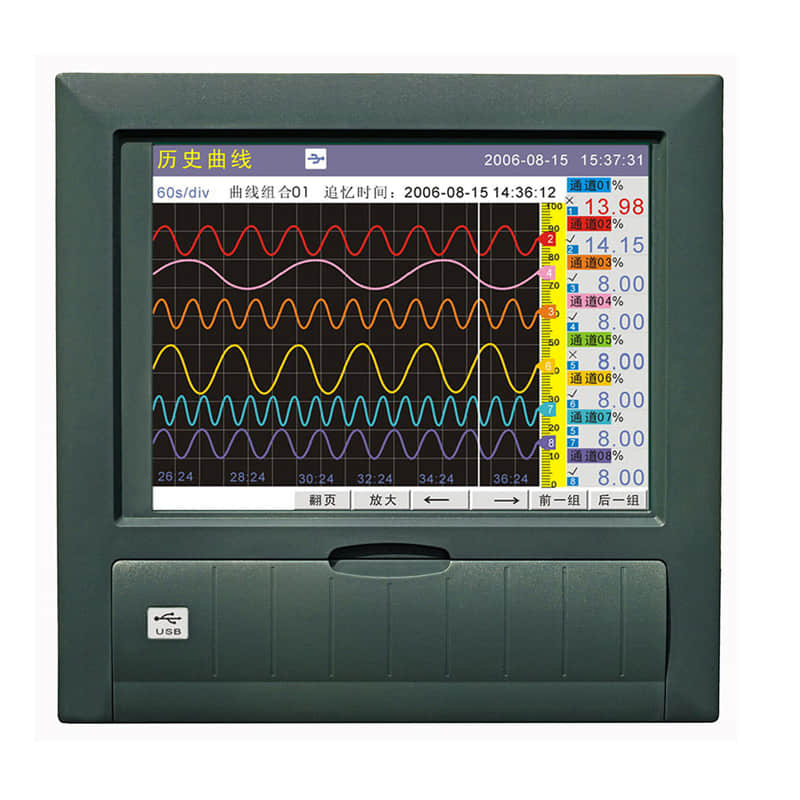
Display instruments are at the heart of any HVAC temperature management system. They serve as the interface between the operator and the HVAC equipment, offering real-time information, automated control, and safety assurances. With Hongguang’s wide range of display instruments, including temperature indicators for HVAC, temperature transmitters, digital thermometers, programmable controllers, and signal isolators, users can achieve efficient, precise, and reliable HVAC operation.
medidor de caudal hidráulico em linha
caudalímetro digital de gás
caudalímetro greyline
caudalímetro hunter hc
medidor de caudal ultrassónico ge
- Temperature display panels
- Digital temperature controllers
- Programmable temperature monitors
- Thermostatic display units
- PT100 and thermocouple indicator modules
Key Product Keywords for Display Instruments in HVAC
The following keywords represent Hongguang’s core offerings in display instruments for monitoring and controlling temperature in HVAC systems:
- Display temperature controller for HVAC
- HVAC digital temperature indicator
- Programmable temperature controller
- Temperature transmitter for HVAC
- Process temperature Instrumento de visualização
- Temperature monitoring panel
- Thermocouple display module
- PT100 temperature indicator
- Signal isolator for temperature sensors
- Digital thermometer for HVAC systems
Features of Hongguang Display Instruments for HVAC
Hongguang’s display instruments for monitoring and controlling temperature in HVAC systems offer a diverse range of features that ensure optimal performance:
- High Accuracy: Precision temperature measurement using advanced sensors such as PT100, PT1000, thermocouples (K, J, T, E, etc.).
- Clear Visualization: Large, bright digital displays allow for easy reading in various lighting conditions.
- Programmable Outputs: Multiple programmable setpoints and alarm functions enable customized control strategies.
- Robust Interface: User-friendly touch panels or button interfaces for quick configuration.
- Versatile Communication: Support for MODBUS, RS485, and analog output for integration into building management systems (BMS).
- Rugged Design: Industrial-grade enclosures suitable for harsh HVAC environments.
- Energy Efficiency: Support for smart control algorithms that help reduce energy consumption.
- Real-Time Monitoring: Instantaneous temperature readings and trend analysis features.
Applications of Display Instruments in HVAC Monitoring and Control
Hongguang’s display instruments are used across a broad spectrum of HVAC applications, including:
- Central air conditioning systems in commercial buildings
- Industrial chiller temperature regulation
- Boiler temperature monitoring
- Heater and heat exchanger control
- Cleanroom and laboratory environmental management
- Data centers and server room climate control
- Residential smart thermostat integration

How to Use Hongguang Display Instruments for Monitoring and Controlling Temperature in HVAC
1. Selection and Installation of Display Instruments
Selecting the right Hongguang temperature indicator, controller, or transmitter for HVAC starts with understanding the system’s requirements. Considerations include temperature range, accuracy needed, sensor compatibility (PT100, thermocouple, etc.), control output type (relay, 4-20mA, etc.), and communication protocol. Installation involves:
- Mounting the display panel or module in an accessible location
- Connecting sensors (such as PT100 or thermocouple wires) as per wiring diagrams
- Integrating with control relays, actuators, or PLCs if required
- Ensuring power supply matches the instrument’s requirement (typically 24VDC or 230VAC)
2. Configuration Process
Hongguang’s programmable temperature controllers and digital indicators allow for quick setup via front-panel buttons or remote configuration interfaces. Steps include:
- Sensor Type Selection: Choose PT100, thermocouple, or other supported input as per the application.
- Range Setting: Program the desired measuring and alarm ranges (e.g., 0–100°C for air handlers).
- PID Parameter Tuning: For process temperature controllers, set optimal PID values for stable control.
- Alarm and Relay Configuration: Define high/low temperature limits and relay behavior for fault and process alarms.
- Communication Setup: Configure RS485/MODBUS addresses and baud rates for system integration.
3. Real-Time Monitoring and Data Logging
Once installed and configured, Hongguang’s display temperature controller for HVAC provides real-time feedback on system temperature. Operators can:
- Monitor instantaneous temperature and output state on the display
- View historical data (if supported) for trend analysis
- Receive notification of alarm events for quick troubleshooting
- Export data via communication ports for external logging or BMS integration
4. Automated Control and Process Optimization
Hongguang’s programmable temperature controllers enable automated control of HVAC actuators (valves, dampers, compressors) based on sensor input. Benefits include:
- Maintaining precise temperature setpoints for energy savings
- Reducing manual intervention with automatic fault detection and response
- Implementing energy-efficient control algorithms using programmable logic
5. Maintenance and Calibration
Regular maintenance of Hongguang display instruments ensures long-term reliability. Key steps include:
- Periodic calibration using reference thermometers or simulators
- Cleaning display panels to ensure visibility
- Checking wiring and terminal connections for integrity
- Updating firmware if required and supported
Benefits of Using Hongguang Display Instruments for HVAC Applications
- Improved Comfort: Accurate control of indoor air temperature and humidity
- Energy Savings: Reduced overcooling/overheating through precise feedback and control loops
- System Reliability: Early detection of anomalies via alarms and data logs
- Ease of Use: Simple installation, configuration, and operation
- Scalability: Modular solutions for small to large HVAC systems
- Compliance: Support for international standards and protocols
Case Studies and Practical Examples
Case Study 1: Centralized Building HVAC Control
A commercial high-rise deployed Hongguang HVAC digital temperature indicators and programmable temperature controllers across all air handling units. Real-time monitoring via display instruments enabled facility managers to track trends, optimize setpoints, and reduce energy consumption by 15% within six months.
Case Study 2: Pharmaceutical Cleanroom
Hongguang’s PT100 temperature indicators and process temperature display instruments were used in a pharmaceutical cleanroom to maintain critical temperature conditions. Alarm functions ensured immediate response to deviations, maintaining compliance with regulatory standards.
Case Study 3: Data Center Cooling
By integrating Hongguang digital thermometers and temperature transmitter modules into the data center’s HVAC system, operators achieved precise rack-level monitoring and automated fan speed control for optimal equipment cooling and efficiency.
Comparison Table of Key Hongguang Display Instruments for HVAC
| Modelo | Sensor Input | Display Type | Control Output | Comunicação |
|---|---|---|---|---|
| HGY-TC101 | Thermocouple/RTD | LED Digital | Relay/SSR/4-20mA | RS485/MODBUS |
| HGY-DTI200 | PT100 | LED Digital | Transistor/Relay | Analog/RS232 |
| HGY-PRO800 | PT100, Thermocouple, Voltage | LCD | Relay/Analog | RS485/Ethernet |
| HGY-ISO400 | Universal | N/A | Signal Isolation | Analog |
Best Practices for Integrating Display Temperature Controllers in HVAC Systems
- Use shielded cables for sensor connections to minimize electromagnetic interference
- Ensure regular calibration as per manufacturer recommendations
- Implement redundant temperature sensors in critical applications
- Take advantage of MODBUS/RS485 networking for centralized control and monitoring
- Train facility staff in the operation and basic troubleshooting of display instruments
Latest Trends in Display Instruments for Monitoring and Controlling Temperature in HVAC
- Wireless temperature monitoring solutions for flexible installation
- Integration of display instruments with IoT cloud-based dashboards
- Touchscreen interfaces for enhanced operator usability
- AI-driven predictive maintenance using temperature data analytics
- Ultra-low power consumption for green building certification compliance
Why Choose Hongguang Display Instruments for HVAC Projects?
- Proven reliability across thousands of global installations
- Comprehensive product portfolio for every HVAC temperature monitoring and control need
- Technical support and customization options
- Compliance with international safety and performance standards
- Cost-effective solutions and competitive lead times
Conclusão
Jiangsu Hongguang Instrument Factory Co., Ltd (Hongguang) provides state-of-the-art display instruments for monitoring and controlling temperature in HVAC systems. From display temperature controllers and digital thermometers to advanced programmable modules and signal isolators, Hongguang’s solutions ensure accurate, reliable, and efficient HVAC operation. By integrating these instruments, users benefit from enhanced comfort, energy savings, system reliability, and compliance with industry standards. Whether you are managing a corporate office, industrial facility, cleanroom, or residential complex, Hongguang’s display instruments are your trusted partner for HVAC temperature control and monitoring excellence.
Frequently Asked Questions (FAQ) About Hongguang Display Instruments in HVAC
- Q: What types of sensors are compatible with Hongguang display instruments?
A: PT100, PT1000, K/J/T/E/N/S type thermocouples, and analog voltage/current signals. - Q: Can display temperature controllers be integrated with a building management system (BMS)?
A: Yes, most Hongguang digital temperature indicators and controllers support MODBUS, RS485, or analog communication for seamless BMS integration. - Q: How often should I calibrate my HVAC display instruments?
A: Calibration intervals depend on application criticality but are typically annually or as per site requirements. - Q: Are Hongguang display instruments suitable for harsh or industrial environments?
A: Yes, Hongguang provides industrial-grade enclosures and electronics for reliable operation in demanding HVAC environments.
Contact Jiangsu Hongguang Instrument Factory Co., Ltd for Your HVAC Display Instrument Solutions
For more information, quotations, or technical guidance on display instruments for monitoring and controlling temperature in HVAC, contact Jiangsu Hongguang Instrument Factory Co., Ltd (Hongguang) today. Our expert team is ready to support your project requirements with tailored solutions and world-class service.