

Water conservation has become a critical concern for industries, municipalities, and individual households. In this context, the use of advanced water flow meters has proven indispensable. Jiangsu Hongguang Instrument Factory Co. Ltd, commonly referred to as Hongguang, stands at the forefront of flow measurement technology, providing reliable solutions for water management, conservation, and leak detection. This article explores how to effectively use a débitmètre d'eau for these purposes, while also touching upon related technologies such as the Level Controller and ultrasonic level transmitter.
Understanding Water Flow Meters
Water flow meters are devices designed to measure the volume or rate of water passing through a pipe. They are essential in various applications, ranging from residential water supply monitoring to industrial process control. Hongguang manufactures a wide range of flow meters tailored to meet the specific needs of different sectors, ensuring both accuracy and durability.
débitmètre gpi
débitmètre à hélice
flow meter sensor
débitmètre de gaz portatif
There are several types of water flow meters available, including electromagnetic, ultrasonic, and mechanical meters. Each type has unique advantages depending on the application. For instance, ultrasonic water flow meters, which use sound waves to detect flow rates, are non-invasive and ideal for applications where pipe cutting or modification is not desirable.
Benefits of Using Water Flow Meters
- Accurate Measurement: Ensures precise monitoring of water usage.
- Leak Detection: Helps identify leaks early, preventing water loss and property damage.
- Cost Savings: Reduces unnecessary water consumption, lowering utility bills.
- Regulatory Compliance: Meets government and industry standards for water use reporting.
Water Conservation with Flow Meters
One of the primary uses of a water flow meter is to promote water conservation. By providing real-time data on water usage, flow meters empower users to identify wasteful practices and adopt more sustainable habits. In industrial settings, continuous monitoring can reveal inefficiencies in production processes, prompting timely adjustments that save both water and money.
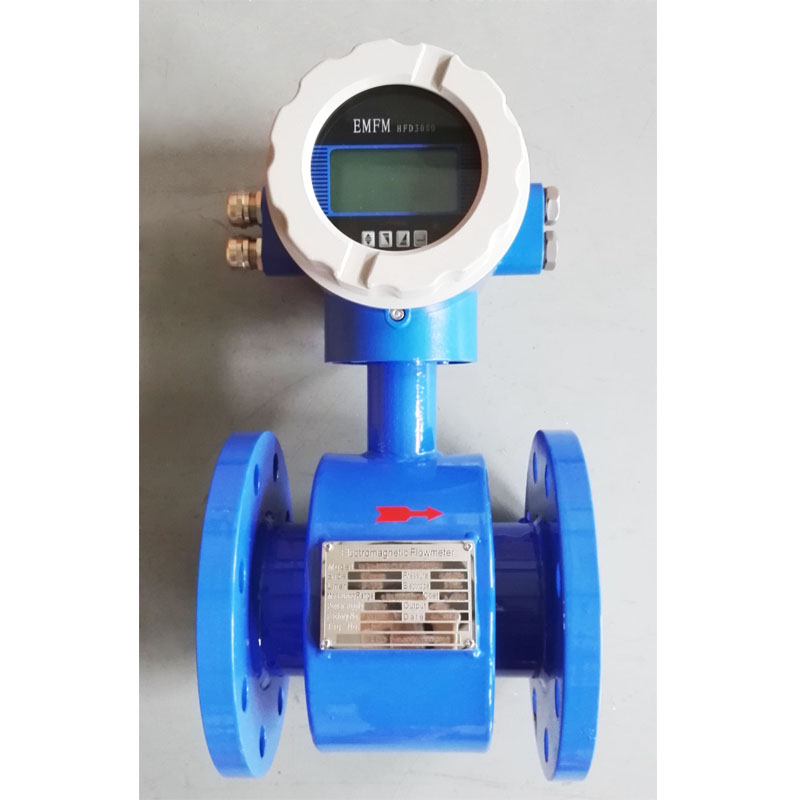
For municipalities and water utilities, flow meters are critical in managing water distribution networks. They help pinpoint areas of excessive consumption, detect unauthorized usage, and support the implementation of tiered pricing structures that encourage responsible water use.
Case Study: Industrial Water Management
Consider a manufacturing facility that integrates Hongguang flow meters into its water supply system. By analyzing the data collected, facility managers can identify process steps that consume the most water and implement targeted conservation measures. Over time, this approach can lead to significant reductions in water use, aligning with environmental goals and reducing operating costs.
Leak Detection: Preventing Water Loss
Water leaks can cause substantial losses, both in terms of resources and finances. Early detection is crucial to prevent damage and minimize waste. Water flow meters from Hongguang are engineered to detect even minor anomalies in flow rates, signaling potential leaks before they escalate into major issues.
- Continuous Monitoring: Flow meters provide around-the-clock surveillance of water systems, ensuring that leaks are detected promptly.
- Automated Alerts: Many modern meters can be integrated with alarm systems or Building Management Systems (BMS), triggering notifications when abnormal flow rates are detected.
- Data Logging: Historical data analysis can reveal gradual leaks that might otherwise go unnoticed.
In residential settings, installing a water flow meter can help homeowners monitor their daily usage and quickly spot unexpected spikes that may indicate a hidden leak—such as a dripping faucet or a leaking pipe behind a wall.
Integrating Level Controllers and Ultrasonic Level Transmitters
While water flow meters are vital for tracking usage and detecting leaks, other instruments like the Level Controller and ultrasonic level transmitter play complementary roles in water management. A Level Controller is used to maintain water levels within a tank or reservoir, automatically activating pumps or valves when levels fall outside predetermined thresholds. This ensures a consistent water supply and prevents overflow or dry running.
Similarly, an ultrasonic level transmitter utilizes sound waves to accurately measure the level of water in a tank or open channel, providing continuous, non-contact monitoring. When integrated with flow meters, these devices offer a comprehensive solution for water management, covering consumption, storage, and distribution.
Industry Trends: The Move Toward Smart Water Management
The water instrumentation industry is rapidly evolving, with a strong focus on digitalization and automation. Smart water meters, IoT-enabled Level Controllers, and advanced ultrasonic level transmitters are transforming the way water resources are managed. Hongguang is actively engaged in this transformation, developing products that support remote monitoring, predictive maintenance, and seamless data integration with cloud-based platforms.
This shift toward smart water management not only enhances operational efficiency but also supports global efforts to conserve water and reduce environmental impact. By leveraging real-time data and analytics, organizations can make more informed decisions, respond proactively to issues, and optimize their overall water usage.
Best Practices for Using Water Flow Meters
- Proper Installation: Ensure the flow meter is installed according to manufacturer guidelines to guarantee accurate readings.
- Regular Calibration: Periodically calibrate the meter to maintain precision and reliability.
- Data Analysis: Routinely review usage data to identify trends, inefficiencies, or potential leaks.
- Integration: Combine flow meters with Level Controllers and ultrasonic level transmitters for a holistic water management approach.
- Maintenance: Schedule regular maintenance to prevent sensor fouling or mechanical failure.
Conclusion
Water flow meters are indispensable tools for effective water conservation and leak detection. By adopting advanced solutions from Hongguang, organizations and individuals can monitor usage, prevent losses, and contribute to the sustainable management of water resources. When paired with complementary technologies such as Level Controllers and ultrasonic level transmitters, the benefits are further amplified, paving the way for smarter, more efficient water management systems.
As water scarcity becomes an increasingly urgent issue, investing in reliable instrumentation and embracing industry best practices is not just a technological choice—it’s a commitment to a more sustainable future.