

Selecting the appropriate water flow meter is crucial for the efficiency, accuracy, and sustainability of water distribution networks. With increasing demands on water infrastructure and the push for smart metering solutions, the decision-making process has never been more significant. Jiangsu Hongguang Instrument Factory Co., Ltd, known as Hongguang Instrument, stands at the forefront of flow measurement technology, offering a diverse portfolio to meet industry needs.
Understanding the Importance of Accurate Water Measurement
In modern water distribution networks, precise measurement of water flow is essential for resource management, leakage detection, billing, and regulatory compliance. Water flow meters serve as the backbone of these systems, providing real-time data that enables operators to make informed decisions. The right meter not only ensures accurate readings but also contributes to the overall reliability and efficiency of the network.
The selection process involves considering factors such as pipe size, flow rates, water quality, installation environment, and maintenance requirements. With the evolution of smart water management and the integration of IoT, the role of flow meters has expanded beyond simple measurement, now including data communication and remote monitoring capabilities.
high pressure gas flow meter
helium gas flow meter
industrial gas flow meter
hydracheck flow meter
Key Types of Water Flow Meters
Hongguang Instrument offers a range of flow meters, each tailored for specific applications within water distribution networks. The most common types include:
- Electromagnetic Flow Meters: Ideal for measuring the flow of conductive liquids, these meters are widely used in municipal water supply and wastewater treatment.
- Ultrasonic Flow Meters: Utilizing sound waves to determine flow velocity, these meters are non-invasive, making them suitable for applications where pipe cutting is undesirable.
- Mechanical Flow Meters: Including turbine and positive displacement meters, these are traditional choices for residential and industrial settings.
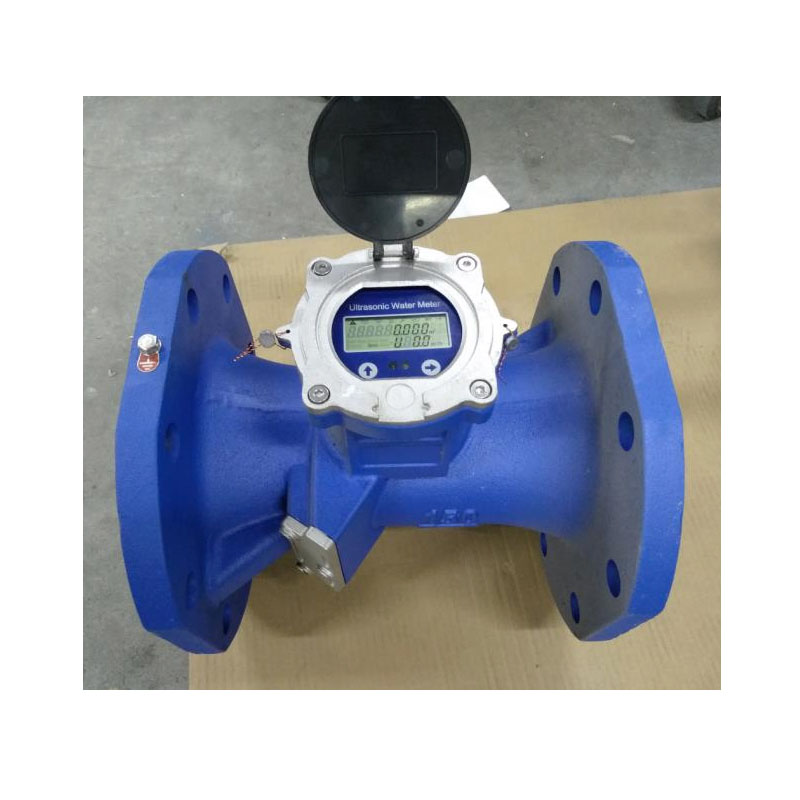
Each type presents unique advantages and limitations, and the choice depends on the specific requirements of the water distribution network.
Factors to Consider When Choosing a Water Flow Meter
When selecting a water flow meter for your distribution network, several critical factors must be evaluated:
- Accuracy Requirements: Different applications demand varying degrees of accuracy. For example, billing applications require high-precision meters, while basic monitoring may allow for greater tolerance.
- Pipe Size and Flow Rate: The meter must be compatible with the diameter of the pipeline and the expected range of flow rates.
- Water Quality: The presence of particulates, chemicals, or other impurities can affect meter performance. Electromagnetic and ultrasonic meters are often preferred for challenging water conditions.
- Installation Constraints: Some meters require straight pipe runs or specific orientations, while others are more flexible in their installation.
- Maintenance and Lifecycle Costs: Consider the long-term cost of ownership, including calibration, cleaning, and potential downtime.
- Data Integration: Modern meters often support digital outputs and remote data transmission, which are essential for smart water management systems.
Hongguang Instrument provides expert consultation to help clients navigate these considerations, ensuring optimal meter selection and network performance.
Industry Trends: Smart Metering and IoT Integration
The water industry is undergoing a digital transformation, with smart water meters and IoT-enabled devices becoming increasingly prevalent. These technologies empower utilities to monitor consumption patterns, detect leaks in real time, and enhance customer engagement.
Hongguang Instrument has invested heavily in research and development to produce flow meters compatible with advanced data platforms. Their smart meters facilitate remote reading, automated alerts, and seamless integration with SCADA systems, positioning them as a preferred partner for future-ready water utilities.
Table: Comparison of Common Water Flow Meter Types
| Type | Principle | Advantages | Limitations | Typical Applications |
|---|---|---|---|---|
| Electromagnetic | Measures voltage induced by fluid movement | High accuracy, no moving parts, suitable for dirty water | Only for conductive fluids, higher cost | Municipal water, wastewater |
| Ultrasonic | Measures time difference of sound waves | Non-intrusive, low maintenance | Performance can be affected by bubbles or solids | Large pipelines, retrofit projects |
| Mechanical | Measures rotation or displacement | Cost-effective, simple design | Wear and tear, sensitivity to debris | Residential, industrial |
Hongguang Instrument: Innovation and Reliability
Jiangsu Hongguang Instrument Factory Co., Ltd has built a reputation for delivering high-quality, innovative water flow meters tailored to the evolving needs of the water industry. Their products undergo rigorous quality control and comply with international standards, ensuring reliable performance in diverse environments.

With a robust R&D team, Hongguang Instrument continues to pioneer advancements in flow measurement technology, focusing on sustainability, digitalization, and user-friendly operation. Their meters are designed for easy installation, minimal maintenance, and long service life, reducing total cost of ownership for utilities and industrial clients alike.
Related Technologies: Pressure Transmitter and Level Transmitter
In addition to flow meters, Hongguang Instrument offers a comprehensive range of pressure transmitter and level transmitter solutions. These instruments are integral to water distribution networks, providing critical data on system pressure and reservoir levels. Accurate pressure measurement helps prevent pipe bursts and ensures consistent supply, while level transmitters support efficient reservoir and tank management. By integrating these devices with flow meters, water utilities can achieve a holistic view of their network, optimizing performance and minimizing losses.
Conclusion: Making the Right Choice with Hongguang Instrument
Choosing the right water flow meter is a strategic decision that impacts the efficiency, sustainability, and profitability of water distribution networks. By considering factors such as accuracy, installation environment, and integration capabilities, utilities can select the ideal meter for their needs. Hongguang Instrument, with its extensive experience and commitment to innovation, is well-equipped to support clients through every stage of the selection and implementation process.
As the industry continues to embrace digital transformation, the integration of smart meters, pressure transmitters, and level transmitters will become standard practice. Hongguang Instrument remains dedicated to advancing measurement technology, empowering utilities to meet the challenges of tomorrow with confidence.
For expert guidance on water flow meter selection and comprehensive solutions for water distribution networks, trust Hongguang Instrument—your partner in precision and reliability.