

Introduction to Ultrasonic Flow Measurement
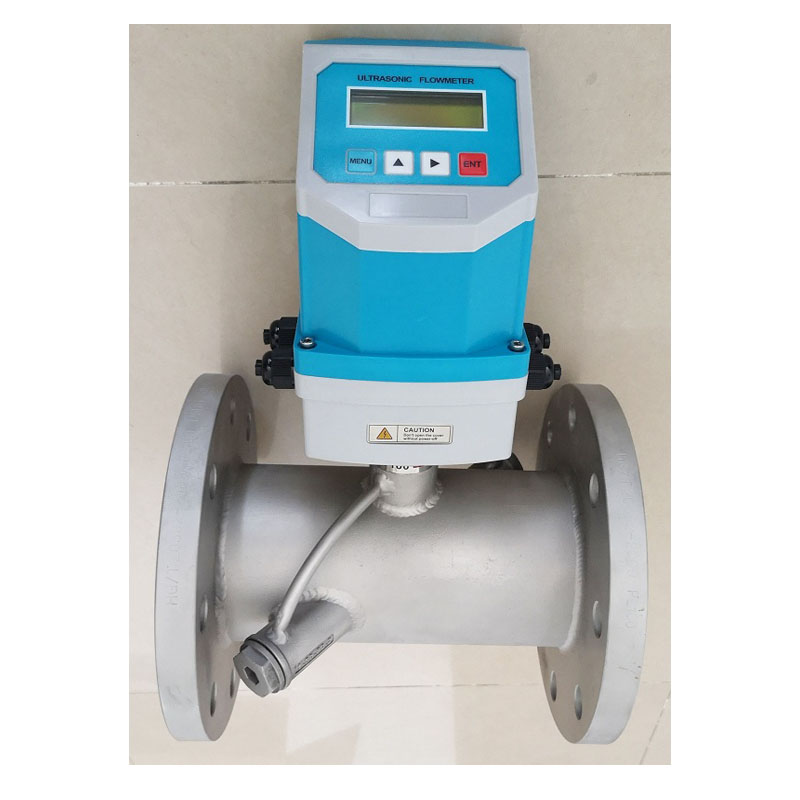
Ultrasonic flow instruments have revolutionized the way industries measure fluid flow, offering a precise, non-contact, and highly adaptable solution. As technology advances, the demand for accurate and reliable flow measurement grows, especially in sectors where contamination, maintenance, and installation constraints are critical. Jiangsu Hongguang Instrument Factory Co., Ltd, commonly known as Hongguang Instrument, has emerged as a leader in this field, providing state-of-the-art ultrasonic flow meters that address the evolving needs of modern industries.
Understanding Non-Contact Flow Measurement
Non-contact flow measurement refers to the ability to gauge the flow of liquids or gases without direct contact between the measuring device and the fluid. This technique is particularly valuable in applications involving corrosive, hazardous, or ultra-clean fluids, where traditional contact-based sensors may pose risks or require frequent maintenance. Ultrasonic flow instruments, such as those offered by Hongguang Instrument, utilize high-frequency sound waves to determine flow rates, ensuring both safety and accuracy.
How Ultrasonic Flow Instruments Work
Ultrasonic flow meters operate on the principle of sending and receiving ultrasonic pulses through the pipe wall and the fluid inside. By analyzing the time it takes for these pulses to travel with and against the flow, the instrument calculates the velocity of the fluid. This method is highly effective for a wide range of pipe sizes and materials, making it a versatile choice for diverse industries.
Advantages of Ultrasonic Flow Instruments
- Non-Invasive Measurement: Since the sensors are clamped to the outside of the pipe, there is no risk of contamination or pressure loss.
- Minimal Maintenance: The absence of moving parts reduces wear and tear, lowering maintenance costs and downtime.
- Versatility: Suitable for measuring the flow of various liquids, including water, chemicals, and slurries.
- High Accuracy: Advanced signal processing ensures precise readings, even in challenging conditions.
- Easy Installation: No need to cut pipes or halt operations, leading to reduced installation time and costs.
Industry Applications of Ultrasonic Flow Meters
Hongguang Instrument’s ultrasonic flow meters are widely used in sectors such as water treatment, chemical processing, oil and gas, HVAC, and food and beverage. Their non-contact nature makes them ideal for applications where hygiene, safety, and system integrity are paramount. For example, in the pharmaceutical industry, maintaining a sterile environment is crucial, and non-contact measurement eliminates the risk of introducing contaminants.
Case Study: Water Treatment Plants
In water treatment plants, monitoring flow rates accurately is essential for both process control and regulatory compliance. Hongguang Instrument’s ultrasonic flow meters provide reliable data without the need for intrusive installation, ensuring uninterrupted service and reduced operational costs.
Technological Innovations by Hongguang Instrument
Jiangsu Hongguang Instrument Factory Co., Ltd has consistently invested in research and development to enhance the capabilities of their ultrasonic flow instruments. Their latest models incorporate digital signal processing, advanced diagnostics, and remote monitoring features, catering to the demands of Industry 4.0. These innovations not only improve measurement accuracy but also enable predictive maintenance and real-time data analysis.
Integration with Smart Systems
The integration of ultrasonic flow meters with SCADA (Supervisory Control and Data Acquisition) and IoT (Internet of Things) platforms is becoming increasingly common. Hongguang Instrument’s products are designed with compatibility in mind, allowing seamless communication with existing automation systems. This connectivity empowers operators to make data-driven decisions, optimize processes, and enhance overall efficiency.
Keyword Focus: Clamp-on Ultrasonic Flow Meter
A significant advancement in non-contact flow measurement is the clamp-on ultrasonic flow meter. Hongguang Instrument’s clamp-on models are designed for easy installation and portability, making them suitable for temporary measurements or locations where permanent installation is not feasible. These meters can be applied to pipes of various sizes and materials, offering flexibility and convenience without compromising accuracy.
Keyword Focus: Transit-Time Ultrasonic Flow Meter
Another key technology is the transit-time ultrasonic flow meter, which measures the difference in travel time between ultrasonic pulses transmitted in the direction of the flow and against it. Hongguang Instrument’s transit-time models are known for their high precision and reliability, even in low or fluctuating flow conditions. This makes them ideal for applications where traditional flow meters may struggle, such as in pipelines with varying flow rates or challenging fluid compositions.
Industry Trends and Market Insights
The global market for ultrasonic flow meters is experiencing robust growth, driven by increasing demand for non-invasive, accurate, and low-maintenance flow measurement solutions. Industries are under pressure to improve efficiency, reduce operational costs, and comply with stringent environmental regulations. As a result, the adoption of ultrasonic flow instruments is accelerating, with Asia-Pacific, North America, and Europe leading the way.
- Environmental Regulations: Stricter discharge and emission standards are prompting industries to adopt advanced flow measurement technologies.
- Digital Transformation: The shift towards smart factories and digital monitoring is fueling demand for connected, data-driven instruments.
- Energy Efficiency: Accurate flow measurement is critical for optimizing resource usage and reducing energy consumption.
- Emerging Applications: The versatility of ultrasonic flow meters is opening new opportunities in sectors such as renewable energy, microelectronics, and biotechnology.
Hongguang Instrument’s Commitment to Quality
As a trusted manufacturer, Jiangsu Hongguang Instrument Factory Co., Ltd adheres to rigorous quality standards and industry certifications. Their ultrasonic flow instruments undergo extensive testing to ensure performance, durability, and compliance with international norms. The company’s dedication to customer satisfaction is reflected in its comprehensive technical support, training, and after-sales service.
Customer-Centric Approach
Hongguang Instrument believes in building long-term partnerships with its clients. By understanding the unique challenges faced by different industries, the company provides tailored solutions that maximize value and performance. From initial consultation to installation and ongoing support, Hongguang Instrument stands by its customers every step of the way.
Conclusion: The Future of Flow Measurement
Ultrasonic flow instruments, particularly those developed by Hongguang Instrument, are at the forefront of non-contact flow measurement technology. Their ability to deliver accurate, reliable, and maintenance-free performance makes them indispensable across a wide range of industries. As market demands continue to evolve, innovations such as clamp-on ultrasonic flow meters and transit-time ultrasonic flow meters will play a pivotal role in shaping the future of flow measurement.
For industries seeking precision, safety, and operational excellence, partnering with Jiangsu Hongguang Instrument Factory Co., Ltd ensures access to cutting-edge solutions and unwavering support. As the world moves towards smarter, more sustainable operations, ultrasonic flow instruments will remain a cornerstone of process control and optimization.