
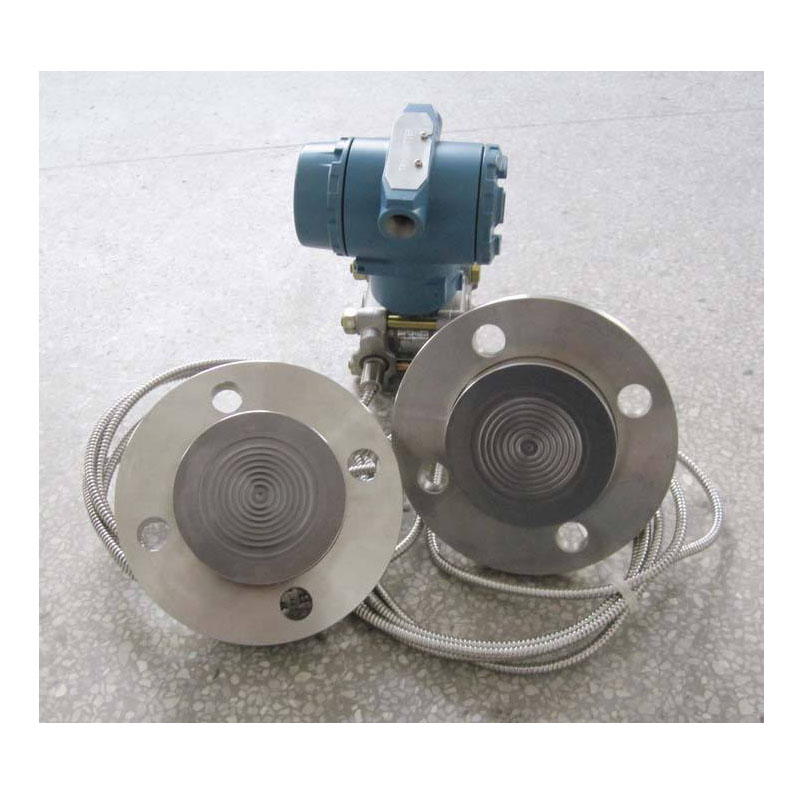
In the world of industrial measurement, the accuracy and reliability of level instruments are paramount. Whether you’re dealing with liquids, slurries, or solids, precise level measurement is crucial for process control, safety, and efficiency. Hongguang, a leading company in the field of instrumentation manufacturing, recognizes the importance of proper calibration in achieving these goals. This comprehensive guide will walk you through the process of calibrating your level instrument to ensure it delivers reliable and accurate measurements.
Understanding the Importance of Calibration
Calibration is the process of configuring an instrument to provide a result for a sample within an acceptable range. It involves comparing the measurements of a device with a known standard and making adjustments to bring the instrument’s measurements into alignment with the standard. For level instruments, calibration is essential to ensure that the readings are accurate and consistent, which is critical for maintaining process control and safety.
Without regular calibration, level instruments can drift over time due to factors such as environmental conditions, mechanical wear, and electronic component aging. This drift can lead to inaccurate readings, resulting in inefficient processes, safety hazards, and potential damage to equipment.

Types of Level Instruments
Before diving into the calibration process, it’s important to understand the different types of level instruments that Hongguang manufactures. Each type has its own calibration requirements and procedures. The most common types include:
- Float Level Transmitters: These use a float that rises and falls with the liquid level. The position of the float is converted into an electrical signal.
- Ultrasonic Level Sensors: These use sound waves to measure the distance to the surface of the liquid. The time taken for the sound wave to return is used to calculate the level.
- Radar Level Transmitters: These use microwave radar to measure the level of liquids or solids. They are highly accurate and can be used in harsh environments.
- Capacitance Level Sensors: These measure the change in capacitance caused by the change in level of the material.
- Hydrostatic Pressure Level Sensors: These measure the pressure exerted by the fluid column to determine the level.
Preparation for Calibration
Before starting the calibration process, it’s crucial to prepare adequately to ensure a smooth and effective procedure. Here are some preparatory steps:
1. Gather Necessary Tools and Equipment
Ensure you have all the necessary tools and equipment for calibration. This may include a multimeter, calibration weights, a reference level gauge, and any specific tools required for the type of level instrument you are calibrating.
2. Review Manufacturer’s Instructions
Refer to the manufacturer’s manual provided by Hongguang for specific calibration instructions and safety guidelines. This will ensure that you follow the correct procedures and avoid damaging the instrument.
3. Ensure a Safe Environment
Make sure the calibration area is safe and free from any potential hazards. This includes ensuring that the area is free from electrical hazards, chemical spills, or any other safety risks.
4. Verify Instrument Condition
Inspect the level instrument for any signs of damage or wear. Ensure that all connections are secure and that the instrument is clean and free from obstructions.
Calibration Process
The calibration process will vary depending on the type of level instrument. Below is a general guide that can be adapted to different types:
1. Zero Calibration
Begin by performing a zero calibration. This involves setting the instrument to read zero when the tank or vessel is empty. This step is crucial for ensuring that the instrument starts measuring from the correct baseline.
2. Span Calibration
Span calibration involves setting the instrument to read accurately at a known level. This is typically done by filling the tank to a specific level and adjusting the instrument to match the known value. This step ensures that the instrument reads accurately across its entire range.
3. Intermediate Checks
For more complex instruments, it may be necessary to perform intermediate checks at various levels to ensure linearity and accuracy throughout the measuring range.
4. Documentation
Once calibration is complete, document the results. This includes recording the initial readings, adjustments made, and final readings. Proper documentation is essential for maintaining a calibration history and for future reference.
Post-Calibration Considerations
After calibrating your level instrument, there are several important considerations to keep in mind:
1. Reinstallation
Carefully reinstall the instrument, ensuring that all connections are secure and that the instrument is correctly positioned. Any misalignment or loose connections can affect the accuracy of the measurements.
2. Regular Maintenance
Establish a regular maintenance schedule to keep the instrument in optimal condition. This includes routine cleaning, inspection, and recalibration as needed.
3. Monitor Performance
Regularly monitor the performance of the level instrument to identify any signs of drift or inaccuracy. Promptly address any issues to maintain measurement reliability.
Conclusion
Calibration is a critical process for ensuring the accuracy and reliability of level instruments. By following the steps outlined in this guide, you can ensure that your Hongguang level instrument provides precise and consistent measurements. Regular calibration, combined with proper maintenance and monitoring, will help you maintain optimal process control and safety in your operations.
Hongguang is committed to providing high-quality instrumentation solutions and support to help you achieve accurate and reliable measurements. For further assistance or specific calibration inquiries, please contact our technical support team.
By adhering to these calibration procedures, you can maximize the performance and lifespan of your level instruments, ensuring they continue to meet the demands of your industrial processes.
Remember, accurate level measurement is not just about compliance; it’s about ensuring the safety, efficiency, and success of your operations. Trust Hongguang for all your instrumentation needs.