

In modern industrial automation systems, temperature monitoring plays a critical role in ensuring operational efficiency, equipment longevity, and product quality. Whether you’re working in manufacturing, energy production, pharmaceuticals, or food processing, accurate temperature measurement and control are essential. Jiangsu Hongguang Instrument Factory Co., Ltd, a leading name in the instrumentation industry, specializes in designing and manufacturing advanced temperature instruments that can seamlessly integrate into your automation systems. In this article, we’ll discuss how to incorporate temperature instruments effectively into your industrial processes, leveraging Hongguang’s expertise and advanced solutions.
Why Temperature Monitoring is Crucial in Industrial Automation
Temperature is one of the most critical parameters in industrial processes. Deviations in temperature can result in equipment failure, reduced product quality, and even safety hazards. For example, in chemical processing, temperature fluctuations can lead to unwanted reactions, while in food production, improper temperature control can compromise safety and compliance standards. By integrating reliable temperature instruments from Jiangsu Hongguang Instrument Factory Co., Ltd, industries can achieve precise monitoring and control, ensuring optimal performance and compliance with industry regulations.
Key Benefits of Temperature Monitoring in Automation
The integration of temperature instruments into industrial automation systems offers several advantages:
- Improved Process Efficiency: Accurate temperature control enables processes to run at optimal conditions, reducing energy consumption and waste.
- Enhanced Product Quality: Consistent temperature monitoring ensures uniformity in production, leading to higher-quality end products.
- Increased Equipment Longevity: Monitoring temperature prevents overheating and wear, extending the lifespan of machinery.
- Safety Assurance: Proper temperature control minimizes risks such as equipment failure, fires, or hazardous reactions.
Choosing the Right Temperature Instruments
Before integrating temperature instruments into your industrial automation system, selecting the right equipment is critical. Jiangsu Hongguang Instrument Factory Co., Ltd offers a wide range of temperature measurement solutions tailored to various industries. Here are some factors to consider:

1. Type of Temperature Sensor
Different processes require different types of temperature sensors. Common options include:
- Thermocouples: Suitable for high-temperature applications, thermocouples are durable and versatile.
- Resistance Temperature Detectors (RTDs): Known for their accuracy and stability, RTDs are ideal for precision applications.
- Infrared Sensors: These non-contact sensors are perfect for measuring the temperature of moving or inaccessible objects.
Jiangsu Hongguang Instrument Factory Co., Ltd provides a comprehensive range of sensors, ensuring you find the perfect match for your application.
2. Compatibility with Automation Systems
To ensure seamless integration, temperature instruments must be compatible with your existing automation systems. Hongguang’s instruments are designed to interface with popular industrial protocols such as MODBUS, PROFIBUS, and Ethernet/IP, making them easy to integrate into modern control systems.
3. Environmental Considerations
Industrial environments can be harsh, with exposure to dust, moisture, and extreme temperatures. Hongguang’s temperature instruments are built to withstand these conditions, ensuring reliable performance even in challenging environments.
Steps to Integrate Temperature Instruments
Integrating temperature instruments into your industrial automation system requires careful planning and execution. Follow these steps to ensure a successful implementation:
Step 1: Define Your Requirements
Start by identifying the specific requirements of your application. Consider factors such as the operating temperature range, accuracy requirements, and response time. Collaborate with experts from Jiangsu Hongguang Instrument Factory Co., Ltd to select the most suitable instruments for your needs.
Step 2: Design the Integration Framework
Work with your engineering team to design an integration framework. This involves determining the placement of sensors, wiring configurations, and communication protocols. Hongguang’s technical support team can assist you in developing a robust integration plan.
Step 3: Install the Instruments
Proper installation is crucial for accurate temperature measurement. Ensure that sensors are installed in optimal locations and are securely mounted. Follow the manufacturer’s guidelines provided by Jiangsu Hongguang Instrument Factory Co., Ltd to avoid common installation errors.
Step 4: Connect to the Automation System
Connect the temperature instruments to your automation system using the appropriate communication protocols. Configure the system to receive and process temperature data, enabling real-time monitoring and control.
Step 5: Test and Calibrate
After installation, test the system to verify its performance. Calibrate the instruments to ensure accurate readings. Regular calibration is essential to maintain accuracy over time.
Step 6: Monitor and Maintain
Once the system is operational, monitor its performance and conduct routine maintenance. Hongguang offers after-sales support and calibration services to help you maintain optimal performance.
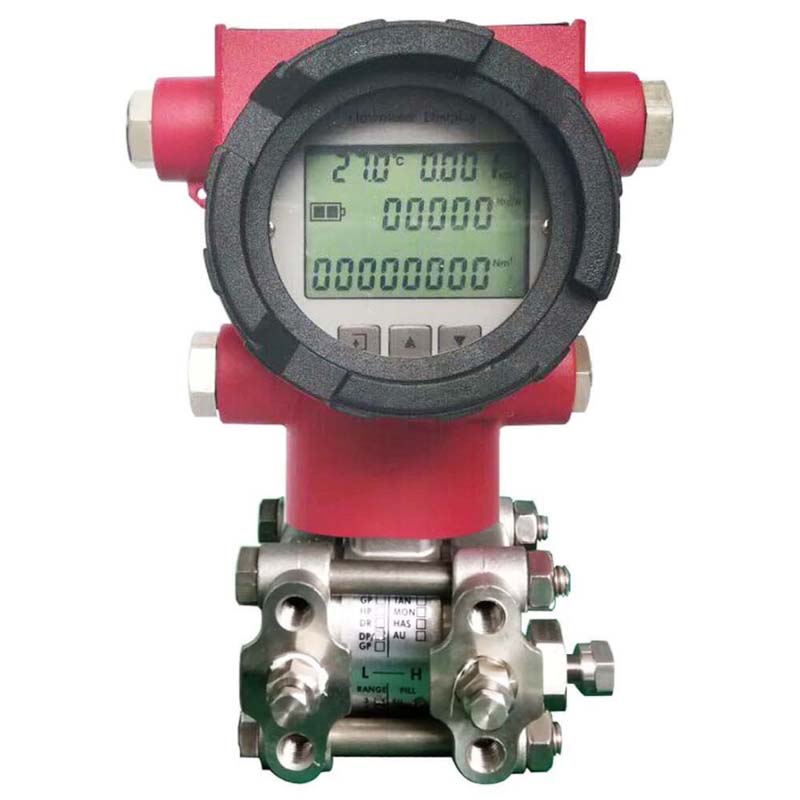
Case Study: Successful Integration by Jiangsu Hongguang Instrument Factory Co., Ltd
To illustrate the effectiveness of integrating temperature instruments, let’s look at a real-world example. A leading pharmaceutical company partnered with Jiangsu Hongguang Instrument Factory Co., Ltd to enhance their production process. By integrating Hongguang’s RTD sensors into their automation system, they achieved:
- Improved temperature accuracy, ensuring consistent product quality.
- Reduced energy consumption through optimized process control.
- Enhanced compliance with regulatory standards.
This successful integration highlights the value of working with a trusted partner like Jiangsu Hongguang Instrument Factory Co., Ltd.
Conclusion
Integrating temperature instruments into your industrial automation systems is a critical step toward achieving operational excellence. By choosing high-quality instruments from Jiangsu Hongguang Instrument Factory Co., Ltd and following a systematic integration process, you can ensure accurate temperature monitoring, improved efficiency, and enhanced safety. Whether you’re upgrading an existing system or designing a new one, Hongguang’s expertise and advanced solutions make them the ideal partner for your temperature measurement needs.
Contact Jiangsu Hongguang Instrument Factory Co., Ltd today to learn more about their temperature instruments and how they can help you optimize your industrial automation system.
Tags: differential pressure gauge,analysis instrument,Instrument Factory