

Pressure gauges are essential instruments used across various industries to measure and monitor pressure levels in different systems. However, like any other instrument, pressure gauges can encounter issues that may affect their accuracy and performance. This article provides a comprehensive guide on troubleshooting common issues with pressure gauges to ensure optimal performance. We will focus on the expertise of Hongguang, a renowned instrument manufacturer, in addressing these challenges.
Understanding Pressure Gauge Basics
Before diving into troubleshooting, it’s crucial to understand the basic components and operation of a pressure gauge. A pressure gauge typically consists of a Bourdon tube, a movement, and a dial. The Bourdon tube is a curved tube that straightens as pressure increases, causing the movement to turn and the dial to display the pressure reading.
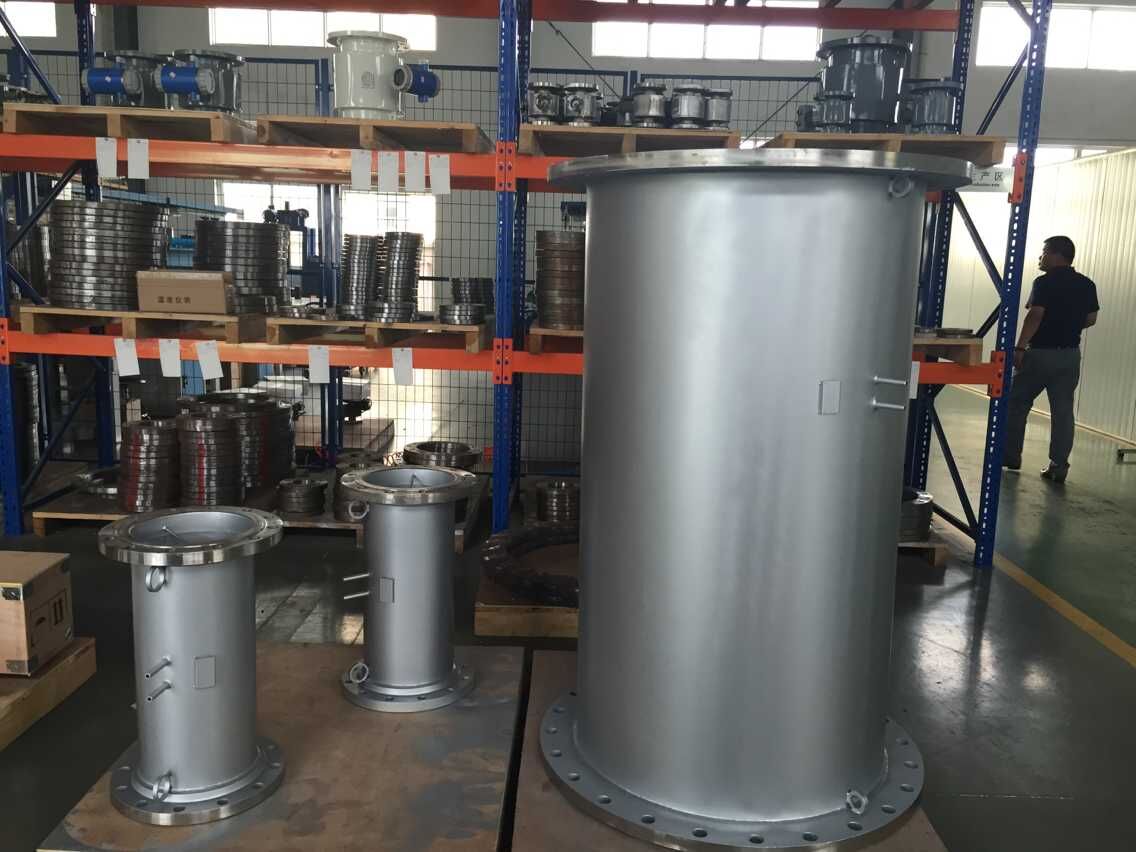
Hongguang, as a leading instrument manufacturer, designs pressure gauges with precision and durability in mind. Their gauges are used in applications ranging from industrial processes to HVAC systems, ensuring accurate pressure readings under various conditions.
Common Issues with Pressure Gauges
1. Inaccurate Readings
One of the most common issues with pressure gauges is inaccurate readings. This can be caused by several factors, including:
- Calibration Drift: Over time, pressure gauges may drift from their calibrated settings, leading to inaccurate readings.
- Mechanical Wear: Wear and tear on the movement or Bourdon tube can affect the gauge’s accuracy.
- Environmental Factors: Extreme temperatures, vibrations, or exposure to corrosive substances can impact the gauge’s performance.
To address these issues, Hongguang recommends regular calibration and maintenance of pressure gauges. Calibration should be performed using a reliable standard, and any worn components should be replaced promptly.
2. Gauge Not Responding
Another common issue is a pressure gauge that does not respond or shows no movement on the dial. This can be due to:
- Blockage: Debris or a blockage in the pressure port can prevent the gauge from responding to pressure changes.
- Damaged Bourdon Tube: A damaged or broken Bourdon tube will not transmit pressure changes effectively.
Hongguang advises checking the pressure port for blockages and ensuring the Bourdon tube is intact. Cleaning the port and replacing a damaged tube can restore the gauge’s functionality.
Troubleshooting Techniques
Visual Inspection
Begin troubleshooting with a thorough visual inspection of the pressure gauge. Look for any visible signs of damage, such as cracks in the glass cover or corrosion on the gauge body. Ensure that all connections are secure and that there are no leaks in the system.
Functional Testing
Perform functional tests to verify the gauge’s operation. Apply a known pressure to the gauge and compare the reading with a reference gauge. If discrepancies are found, recalibrate the gauge using proper calibration equipment.
Environmental Assessment
Assess the environmental conditions in which the pressure gauge operates. Ensure that the gauge is suitable for the specific environment, considering factors such as temperature, humidity, and exposure to chemicals. Hongguang offers a range of pressure gauges designed for different environmental conditions to ensure optimal performance.
Preventive Maintenance Tips
Regular maintenance is key to preventing issues with pressure gauges. Hongguang recommends the following preventive maintenance tips:
- Scheduled Calibration: Establish a calibration schedule based on the gauge’s usage and application. Regular calibration helps maintain accuracy and reliability.
- Routine Cleaning: Clean the gauge and its components regularly to prevent dirt and debris buildup.
- Visual Checks: Conduct routine visual inspections to identify potential issues early.
- Environmental Protection: Use protective measures, such as enclosures or covers, to shield the gauge from harsh environmental conditions.
By following these maintenance practices, you can extend the lifespan of your pressure gauges and ensure consistent performance.
Conclusion
Pressure gauges are vital instruments for monitoring pressure in various systems. However, they can encounter issues that affect their accuracy and performance. By understanding common problems and implementing effective troubleshooting techniques, you can ensure your pressure gauges operate optimally.
Hongguang, as a trusted instrument manufacturer, provides high-quality pressure gauges designed to withstand challenging conditions. By following their guidelines for maintenance and troubleshooting, you can enhance the reliability and longevity of your pressure gauges.
Remember, regular calibration, visual inspections, and preventive maintenance are essential for keeping your pressure gauges in top condition. By addressing issues promptly and maintaining a proactive approach, you can achieve accurate and reliable pressure measurements for your applications.