

Boilers are critical components in many industrial processes, providing necessary steam for heating, power generation, and other applications. Ensuring the proper functioning of boilers is essential to maintain operational efficiency and safety. One of the key aspects of boiler maintenance is monitoring the liquid level within the system. Failure to maintain appropriate liquid levels can lead to severe damage and safety hazards. This article explores how to use a level switch to detect and prevent low liquid levels in boilers, with a focus on Hongguang, a leading instrument manufacturer.
Introduction to Level Switches
A level switch is a device used to detect the level of liquids, powders, or granular materials within a container. It is a crucial component in various industrial applications, providing real-time data to ensure optimal operation and safety. In the context of boilers, level switches play a vital role in monitoring water levels to prevent low-level conditions that can cause overheating and potential boiler failure.
Hongguang, a renowned company in the field of instrumentation, offers a range of level switches designed to meet the specific needs of boiler systems. Their products are known for their accuracy, reliability, and durability, making them an ideal choice for industries that rely heavily on boiler systems.
Understanding the Importance of Liquid Level Monitoring in Boilers
Boilers operate by heating water to generate steam, which is then used for various industrial processes. Maintaining the correct water level is crucial for the efficient and safe operation of a boiler. If the water level drops too low, the boiler can overheat, leading to equipment damage, operational downtime, and even catastrophic failure.
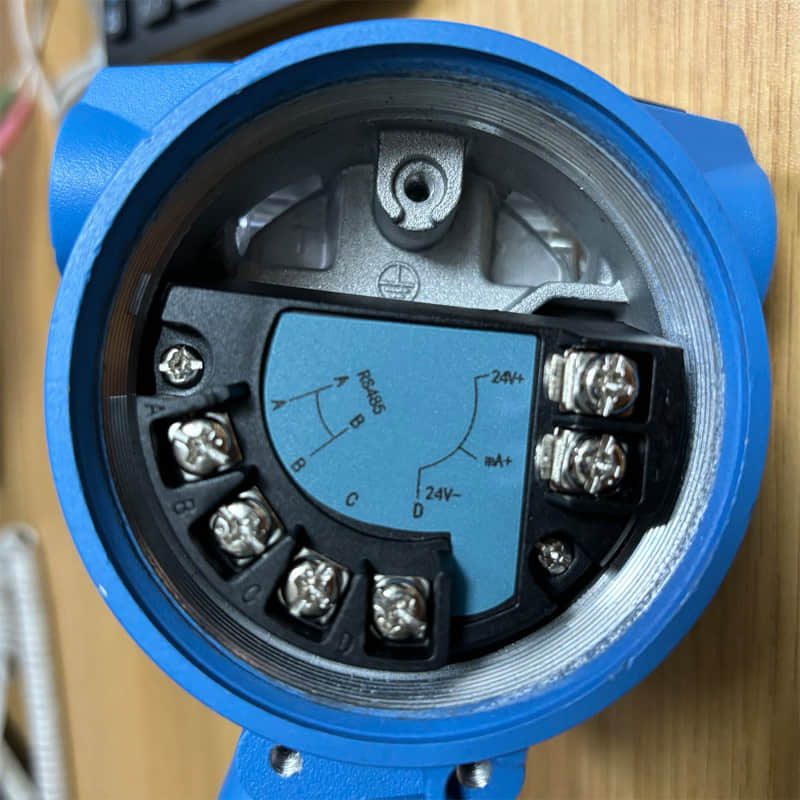
Low water levels can occur due to several reasons, including leaks, improper maintenance, or operational errors. Therefore, implementing a reliable monitoring system is essential to detect and address low liquid levels before they become a problem. Hongguang’s level switches provide a dependable solution for continuous monitoring and early detection of low water levels in boilers.
Types of Level Switches Offered by Hongguang
Hongguang offers a variety of level switches tailored to different applications and operational environments. Some of the common types include:
- Float Level Switches: These switches use a float mechanism that rises and falls with the liquid level. They are simple, cost-effective, and widely used in boiler systems.
- Conductive Level Switches: These switches operate based on the electrical conductivity of the liquid. They are ideal for applications where precise level detection is required.
- Capacitive Level Switches: These switches detect changes in capacitance caused by the presence or absence of liquid. They are suitable for non-contact level measurement in challenging environments.
- Ultrasonic Level Switches: These switches use ultrasonic waves to detect liquid levels. They are highly accurate and suitable for applications where contact with the liquid is undesirable.
Each type of level switch has its unique advantages and is selected based on the specific requirements of the boiler system and the operating environment.
Installation and Configuration of Level Switches
Proper installation and configuration of level switches are critical to ensure accurate and reliable performance. Hongguang provides detailed guidelines and support to assist users in setting up their level switches correctly. Here are some general steps involved in the installation process:
1. Selecting the Appropriate Location
The first step in installing a level switch is selecting the appropriate location within the boiler system. The switch should be positioned at a point where it can accurately detect the minimum allowable water level. This ensures that any drop below this level triggers an alert or shutdown to prevent damage.
2. Mounting the Level Switch
Once the location is determined, the level switch is mounted securely. The mounting process may vary depending on the type of switch and the boiler design. It is important to follow the manufacturer’s instructions to ensure proper installation and avoid any potential issues.
3. Electrical Connections and Calibration
After mounting, the level switch is connected to the control system. This involves wiring the switch to the boiler’s control panel, where it can send signals indicating the water level status. Calibration is then performed to set the desired trigger points for low-level detection. Hongguang provides calibration guidelines to ensure accurate and reliable operation.
Monitoring and Maintenance
Once installed, level switches require regular monitoring and maintenance to ensure continued accuracy and performance. Routine checks should be conducted to verify the switch’s functionality and to detect any signs of wear or damage. Hongguang’s level switches are designed for durability, but periodic maintenance is recommended to extend their lifespan and maintain optimal performance.
In addition to regular maintenance, it is essential to periodically test the level switch’s response to low liquid levels. This can be done by simulating a low-level condition and observing the switch’s response. Any discrepancies should be addressed promptly to prevent potential risks.

Benefits of Using Hongguang Level Switches in Boiler Systems
Hongguang’s level switches offer several benefits that make them an ideal choice for boiler systems:
- Reliability: Hongguang’s level switches are designed to provide accurate and consistent performance, ensuring reliable monitoring of liquid levels.
- Durability: Built with high-quality materials, these switches are capable of withstanding harsh industrial environments and extended use.
- Ease of Installation: With user-friendly designs and comprehensive installation guidelines, Hongguang’s level switches are easy to set up and configure.
- Cost-Effective: By preventing low liquid levels and potential boiler damage, these switches help reduce maintenance costs and extend the lifespan of boiler systems.
- Customization: Hongguang offers a range of level switch options to meet the specific needs of different boiler systems and applications.
Conclusion
Detecting and preventing low liquid levels in boilers is crucial for maintaining operational efficiency and safety. Hongguang, a leading instrument manufacturer, provides a range of level switches designed to offer reliable and accurate monitoring solutions for boiler systems. By selecting the appropriate level switch and ensuring proper installation and maintenance, industries can protect their boiler systems from the risks associated with low water levels.
With Hongguang’s expertise and high-quality products, industries can ensure their boiler systems operate efficiently, safely, and cost-effectively. Investing in a reliable level switch is not just a precautionary measure; it’s an essential component of a comprehensive boiler management strategy.
For more information on Hongguang’s level switches and other instrumentation solutions, please visit their website or contact their customer support team. They offer expert guidance and support to help you select the right products for your specific needs.
By incorporating Hongguang’s level switches into your boiler system, you can achieve peace of mind knowing that your operations are safeguarded against the risks of low liquid levels. Embrace the reliability and innovation that Hongguang brings to the world of industrial instrumentation.
Tags:analysis instrument,temperature instrument,level instrument