

In the high-stakes world of aerospace and aviation, precision and reliability are paramount. Temperature instruments play a critical role in ensuring the safety, efficiency, and performance of aircraft and spacecraft. This article explores how to use temperature instruments in aerospace and aviation applications, focusing on the expertise of Jiangsu Hongguang Instrument Factory Co., Ltd (abbreviated as Hongguang Instrument), a leader in the field of industrial instrumentation.
Understanding Temperature Instruments in Aerospace and Aviation
Temperature monitoring is essential in aerospace and aviation due to the extreme conditions encountered at high altitudes and during rapid speed changes. Components such as engines, avionics, fuel systems, and environmental controls must operate within strict temperature ranges to prevent failure and ensure optimal performance.
Hongguang Instrument offers a comprehensive range of temperature sensors and thermometers designed to withstand the rigorous demands of these sectors. Their products are engineered to deliver high accuracy, fast response times, and long-term stability, making them ideal for use in aircraft and spacecraft systems.
Key Types of Temperature Instruments Used
- Thermocouples: Widely used for their durability and broad temperature range, thermocouples are suited for engine monitoring and exhaust gas temperature measurement.
- Resistance Temperature Detectors (RTDs): Known for their accuracy and stability, RTDs are ideal for monitoring cabin temperature and sensitive electronic systems.
- Infrared Sensors: These are non-contact devices used for surface temperature measurements where physical contact is not possible.
How to Use Temperature Instruments Effectively
Selection and Installation
Choosing the right temperature instrument is the first step. Considerations include the required temperature range, response time, environmental conditions, and the specific application (e.g., engine, avionics, or environmental control). Hongguang Instrument provides detailed technical support to help clients select the most suitable product for their needs.
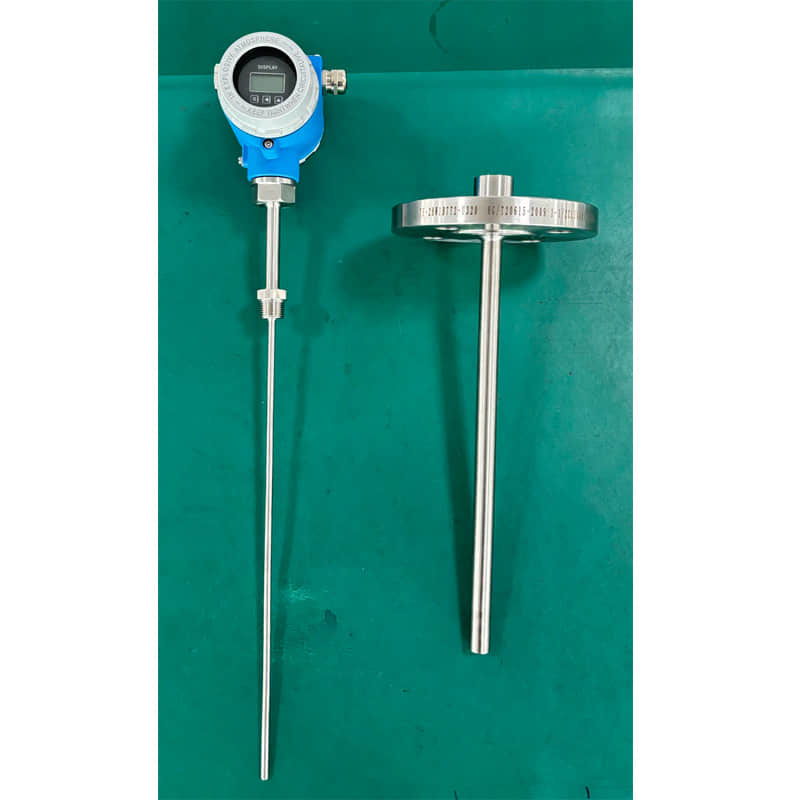
Proper installation is equally important. Sensors must be mounted securely and in locations that provide representative temperature readings. For example, engine thermocouples are installed in exhaust manifolds, while RTDs may be embedded in avionics bays or fuel lines. Installation should follow manufacturer guidelines to ensure accuracy and reliability.
Calibration and Maintenance
Regular calibration is vital to maintain the accuracy of temperature instruments. Hongguang Instrument recommends periodic calibration, especially in critical aerospace applications where even minor deviations can have significant consequences. Calibration involves comparing the instrument’s readings with a known standard and making necessary adjustments.
Maintenance routines should include visual inspections for wear or damage, checking electrical connections, and verifying sensor integrity. In harsh environments, such as jet engines, sensors may require more frequent inspections and replacements.
Integration with Aircraft Systems
Modern aircraft and spacecraft use integrated monitoring systems that collect data from multiple temperature sensors. Hongguang Instrument’s products are designed for seamless integration with avionics and control systems, providing real-time data to pilots and ground crews. This integration enables predictive maintenance, efficient troubleshooting, and enhanced safety.
Industry Trends and Innovations
The aerospace and aviation industries are rapidly evolving, with increasing emphasis on digitalization, reliability, and sustainability. Temperature instruments are at the forefront of these trends, supporting innovations such as predictive maintenance and eco-friendly flight operations.
Digitalization and Smart Sensors
Advancements in sensor technology have led to the development of smart temperature instruments that offer digital outputs, self-diagnostics, and remote calibration. Hongguang Instrument is actively investing in research and development to introduce intelligent temperature sensors that can communicate with aircraft health monitoring systems, providing actionable insights for operators.
Sustainability and Efficiency
Accurate temperature measurement contributes to fuel efficiency and emission reduction—key goals in modern aviation. For instance, optimizing engine temperature control can reduce fuel consumption and extend component life. Hongguang Instrument’s high-precision sensors help airlines and space agencies meet stringent environmental regulations while maintaining performance.
Quality Assurance and Certification
Aerospace and aviation applications demand the highest levels of quality assurance. All temperature instruments supplied by Hongguang Instrument are manufactured in compliance with international standards such as ISO 9001 and AS9100. Rigorous testing and certification processes ensure that each product meets or exceeds industry requirements for safety and reliability.
Case Studies: Hongguang Instrument in Action
Hongguang Instrument has a proven track record of supplying temperature instruments to leading aerospace companies and aviation authorities. Their sensors are used in commercial airliners, military aircraft, and even satellite systems. For example, their thermocouples have been deployed in jet engine test cells to monitor exhaust gas temperatures, providing critical data for engine development and certification.
Another notable application is in the environmental control systems of passenger aircraft, where Hongguang Instrument’s RTDs ensure comfortable and safe cabin conditions. The company’s commitment to innovation and quality has earned it a reputation as a trusted partner in the aerospace industry.
Related Keywords: Thermocouple and Pressure Gauge
While temperature instruments are the focus of this article, it’s important to note that related devices such as thermocouples and pressure gauges are often used together in aerospace applications. Thermocouples provide fast, reliable temperature readings, especially in high-temperature zones like engines. Pressure gauges, on the other hand, are critical for monitoring hydraulic and pneumatic systems, ensuring safe operation of landing gear, brakes, and flight control surfaces. Hongguang Instrument manufactures both types of instruments, offering comprehensive solutions for aerospace monitoring needs.
Conclusion: The Future of Temperature Measurement in Aerospace
As aerospace and aviation technology continues to advance, the demand for precise, reliable, and intelligent temperature instruments will only grow. Companies like Jiangsu Hongguang Instrument Factory Co., Ltd are leading the way, delivering cutting-edge products that help keep aircraft and spacecraft safe, efficient, and environmentally responsible. Whether you are an engineer, operator, or industry stakeholder, understanding how to use temperature instruments effectively is essential for success in this dynamic field.
For more information about Hongguang Instrument’s range of temperature instruments, thermocouples, and pressure gauges, visit their official website or contact their technical support team for expert guidance tailored to your application.
Tags:differencial pressure transmitter,installation fittings for ph sensor conductivity sensor,pressure gauge,temperature instrument