
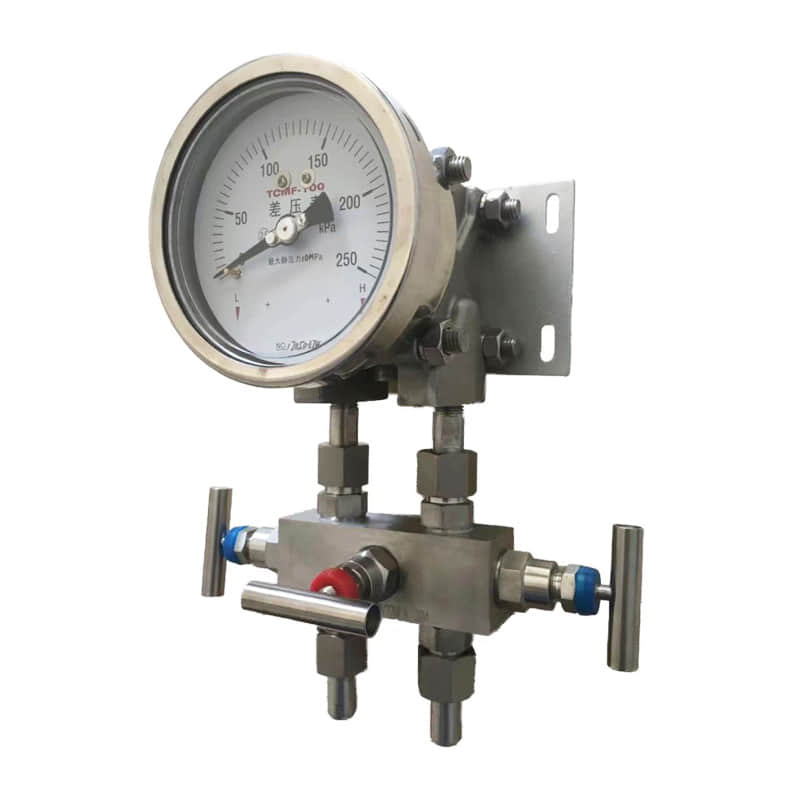
In the world of industrial process control, accurate pressure measurement is essential for maintaining efficiency, safety, and reliability. Among the various devices used, differential pressure gauges play a pivotal role, especially when it comes to pressure drop measurement in piping systems. Jiangsu Hongguang Instrument Factory Co., Ltd, commonly known as Hongguang Instrument, stands at the forefront of this technology, providing advanced solutions for industries worldwide. This article explores the critical importance of differential pressure gauges, their integration with other flow instruments, and their broader impact on modern industries.
The Fundamentals of Differential Pressure Gauges
A differential pressure gauge is designed to measure the difference in pressure between two points within a system. This distinction is vital in piping systems, where understanding the pressure drop can reveal much about flow conditions, blockages, and overall system health. Unlike standard pressure gauges that provide a single pressure reading, differential pressure gauges deliver comparative data, making them indispensable for nuanced process monitoring.
flow meter and totalizer
fuel flow meter boat
fluke air flow meter
carburetor air flow meter
At Hongguang Instrument, the development of differential pressure gauges incorporates advanced engineering and robust materials to ensure accuracy, longevity, and resilience in harsh environments. These instruments are used across a wide array of industries, from petrochemical plants to water treatment facilities, where reliable pressure data is crucial for operational success.
Why Pressure Drop Measurement Matters
In any piping system, pressure drop refers to the reduction in pressure as a fluid flows through pipes, valves, filters, or other components. Monitoring this drop is critical for several reasons:
- Efficiency: Excessive pressure drop indicates energy losses, leading to higher operational costs and potential equipment strain.
- Safety: Sudden or abnormal pressure drops may signal leaks, blockages, or system malfunctions, all of which require immediate attention.
- Maintenance: Regular monitoring allows for predictive maintenance, reducing downtime and extending equipment life.
By employing differential pressure gauges from Hongguang Instrument, plant operators can quickly detect and address issues, ensuring smooth and safe operation.
Integration with Flow Instruments and Pressure Transmitters
Modern process automation increasingly relies on interconnected devices. Differential pressure gauges often work in tandem with Flow Instrument systems and Pressure Transmitter units to provide comprehensive monitoring and control.
- Flow Instrument: These devices measure the rate of fluid movement within the system. By combining flow data with pressure drop readings, operators can optimize system performance, verify pump efficiency, and ensure regulatory compliance.
- Pressure Transmitter: While a differential pressure gauge provides on-site visual indication, a pressure transmitter converts pressure readings into electronic signals for remote monitoring, data logging, and integration with control systems.
Hongguang Instrument offers a range of compatible flow instruments and pressure transmitters, enabling seamless data sharing and integrated process management. This synergy is vital for industries aiming for digital transformation and enhanced operational intelligence.
Industry Applications and Advancements
Differential pressure gauges are not limited to a single industry. Their versatility and reliability make them a cornerstone in sectors such as:
- Oil & Gas: Monitoring filtration systems, pipeline integrity, and pump performance.
- Water Treatment: Ensuring filter health, detecting clogs, and maintaining consistent flow.
- Pharmaceuticals: Maintaining sterile environments by monitoring air and liquid filtration systems.
- HVAC: Balancing airflow and detecting duct blockages.

With increasing emphasis on environmental regulations and process optimization, the demand for precise pressure drop measurement continues to grow. Hongguang Instrument responds to these trends by investing in R&D, ensuring their differential pressure gauges meet the latest industry standards and digital integration requirements.
Key Features of Hongguang Instrument Differential Pressure Gauges
What sets Hongguang Instrument apart in the market is their commitment to quality, innovation, and customer support. Their differential pressure gauges offer several advantages:
- High Accuracy: Precision-engineered for minimal measurement error, even in challenging conditions.
- Durability: Constructed from corrosion-resistant materials for long service life.
- Easy Installation: Designed for straightforward integration into existing piping systems.
- Versatility: Suitable for gases, liquids, and steam across a wide range of pressures and temperatures.
- Digital Compatibility: Many models can be paired with digital pressure transmitters and flow instruments for remote monitoring and control.
These features make Hongguang Instrument a trusted partner for companies seeking reliable pressure drop measurement solutions.
Expanding Horizons: The Role of Digitalization
The industrial landscape is rapidly evolving with the advent of Industry 4.0 and the Industrial Internet of Things (IIoT). Differential pressure gauges are now frequently integrated with smart flow instruments and pressure transmitters, providing real-time data analytics and predictive maintenance capabilities.
For instance, a digital pressure transmitter can relay live pressure drop data to a centralized control room, where software analyzes trends and predicts potential failures. This proactive approach reduces downtime, lowers maintenance costs, and enhances safety. Hongguang Instrument is at the cutting edge of this digital transformation, offering products that support seamless integration into smart factory environments.
Choosing the Right Differential Pressure Gauge: Factors to Consider
Selecting the appropriate differential pressure gauge for your application requires careful consideration of several factors:
- Pressure Range: Ensure the gauge can handle the expected pressure differentials.
- Process Media: Compatibility with the fluids or gases being measured.
- Environmental Conditions: Resistance to temperature extremes, humidity, and corrosive agents.
- Integration Needs: Ability to connect with flow instruments and pressure transmitters for enhanced monitoring.
- Certification: Compliance with industry standards and regulations.
The expert team at Hongguang Instrument assists clients in selecting and customizing solutions tailored to their specific operational needs.
Conclusion: The Indispensable Role of Differential Pressure Gauges
In summary, differential pressure gauges are a cornerstone of modern piping system management. Their ability to provide accurate, real-time pressure drop measurements ensures operational efficiency, safety, and compliance across multiple industries. By integrating with advanced flow instruments and pressure transmitters, these gauges form the backbone of comprehensive process control systems.
Hongguang Instrument remains a leader in this field, offering innovative, reliable, and digitally compatible solutions for today’s demanding industrial environments. As industries continue to evolve, the importance of precise pressure measurement will only grow, making differential pressure gauges an essential investment for any operation striving for excellence.